
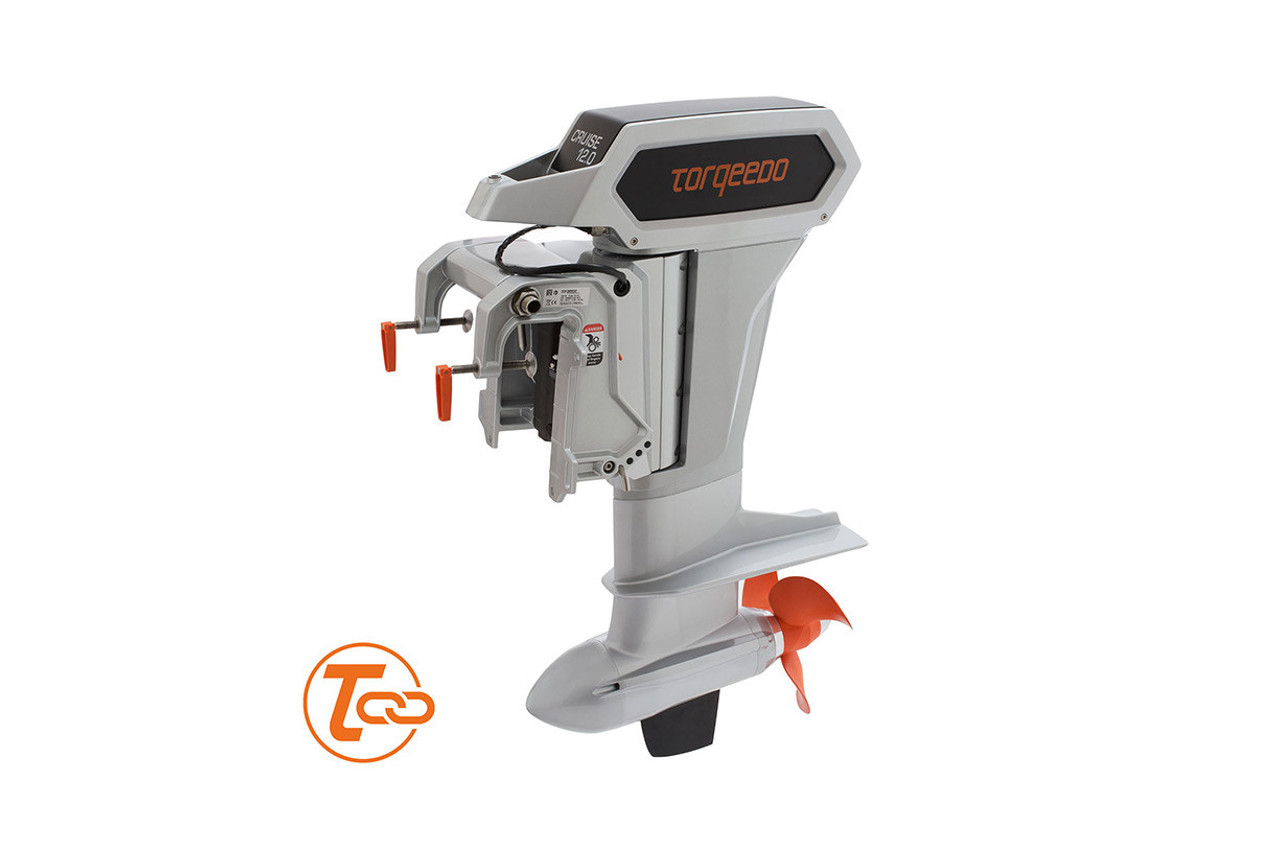
An outboard purchase is also a system decision. The motor must work with the boat’s controls, steering, wiring and displays, and the equipment already aboard may not transfer unchanged. Before treating two similar engines as interchangeable, write down which parts of the current installation you expect to keep and have that assumption checked.
Describe the existing installation
Collect the current outboard’s complete model and serial number, the control-box identification and photographs of the helm equipment. Note whether there is more than one engine or helm station. Identify components from labels where possible; “standard controls” or “the old gauges” leaves too much room for different interpretations.
Keep the candidate motor’s exact model separate from its horsepower. Yamaha’s official rigging selector considers factors such as engine technology, control platform, engine count and helm location. The number of choices shows why a broad engine-family label cannot settle every compatibility question.
Build an included-equipment matrix
For each candidate listing, record whether the motor, controls, harnesses, displays, switches, steering components and propeller are included. Add a column for the items you already own and another for professional confirmation. A component being present in your boat does not establish that it matches the replacement engine.
Ask the seller about the offered equipment and ask the installer about system compatibility. These are related but different questions. The seller can clarify what is in the shipment; the installer can compare that scope with the boat. Keep both answers in writing so the final purchase does not depend on an ambiguous photograph.
Compare mechanical and digital requirements
Changing control technology can change the project scope. Yamaha’s repowering guide notes that moving from mechanical to digital engines can require compatible shift and throttle controls. Treat that as a prompt to confirm the complete package, not as a promise that a particular adapter or existing harness will work.
Ask for an itemized installation proposal covering the equipment to be reused, replaced or newly supplied. Have unclear assumptions identified before comparing totals. A cheaper engine-only listing and a more complete package are not directly comparable until you understand the missing parts, labor and setup requirements in each option.
Keep the decision tied to your boat
Do not buy a control system simply because it shares the engine brand. Match exact references, intended configuration and manufacturer guidance with professional assistance. Steering and control installation are not suitable areas for trial-and-error purchasing or improvised modifications based on a shopping article.
Start with the identification checklist, compare the outboard catalog, and use the repower budget worksheet to include confirmed rigging costs. If the listing leaves an accessory unclear, contact TorqueHarbor with its SKU before ordering. The aim is a documented, compatible project scope rather than a collection of individually plausible parts.
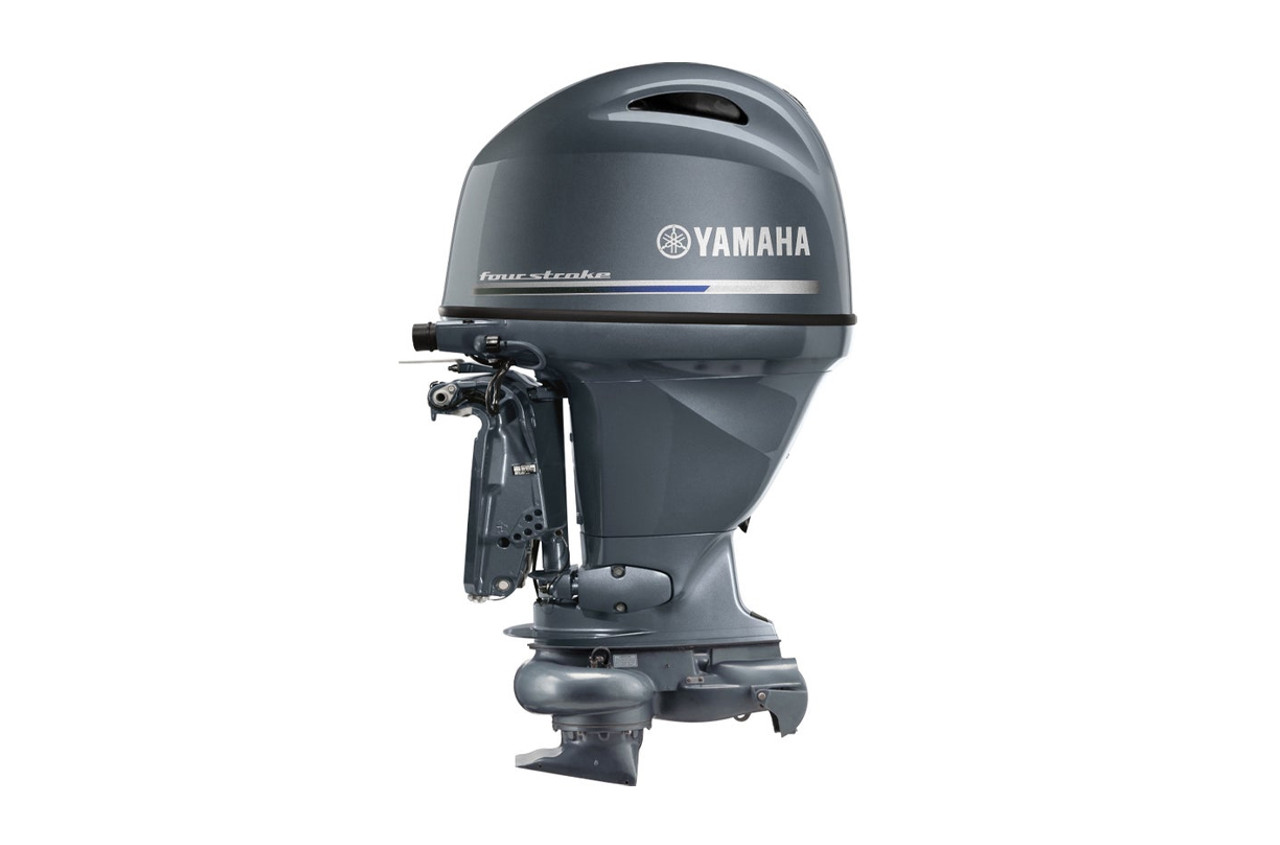 The whole system matters
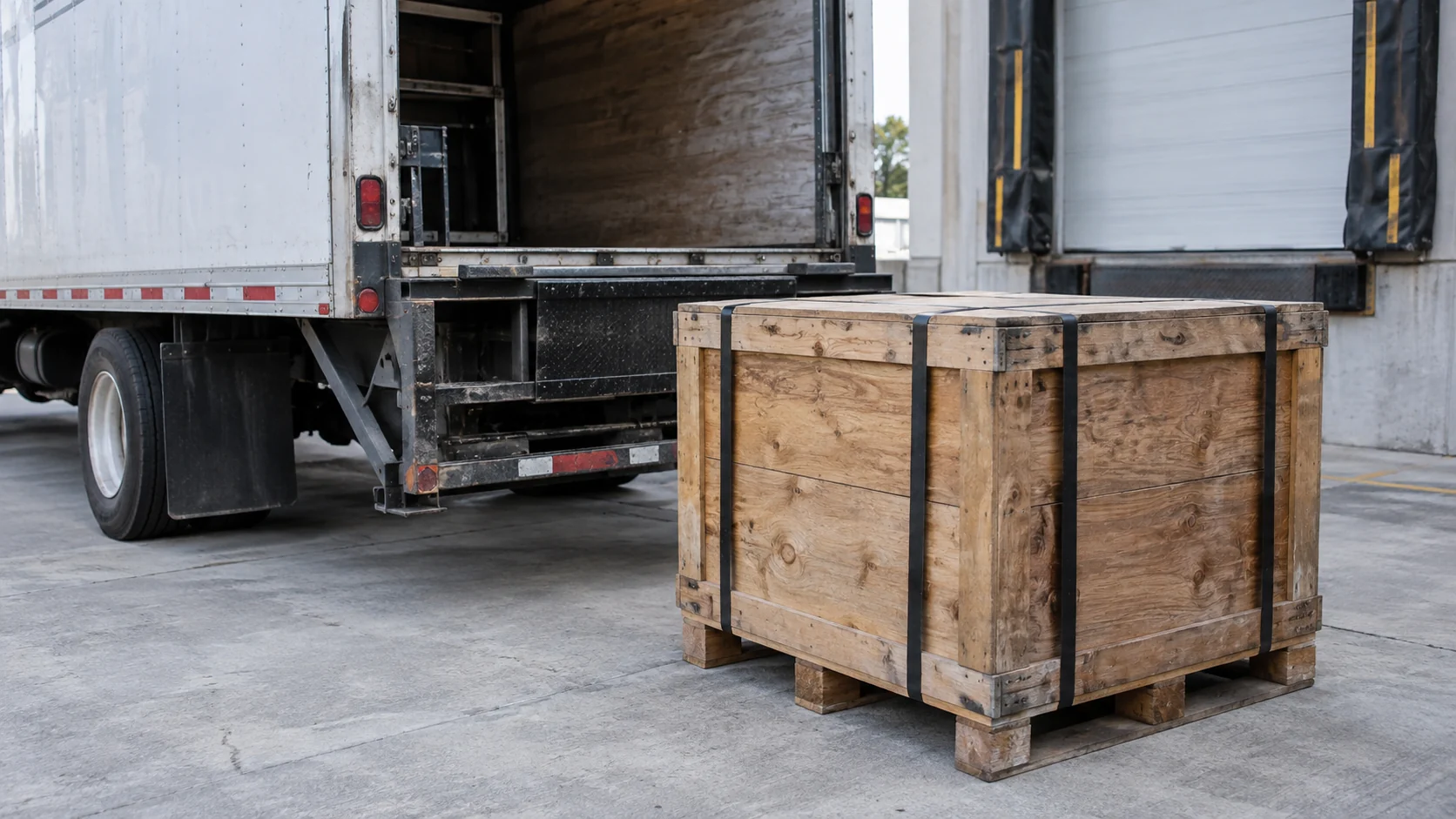 Plan the arrival
Always confirm the exact model, part number, condition and included components on the product listing. For a compatibility question, contact TorqueHarbor before ordering.