
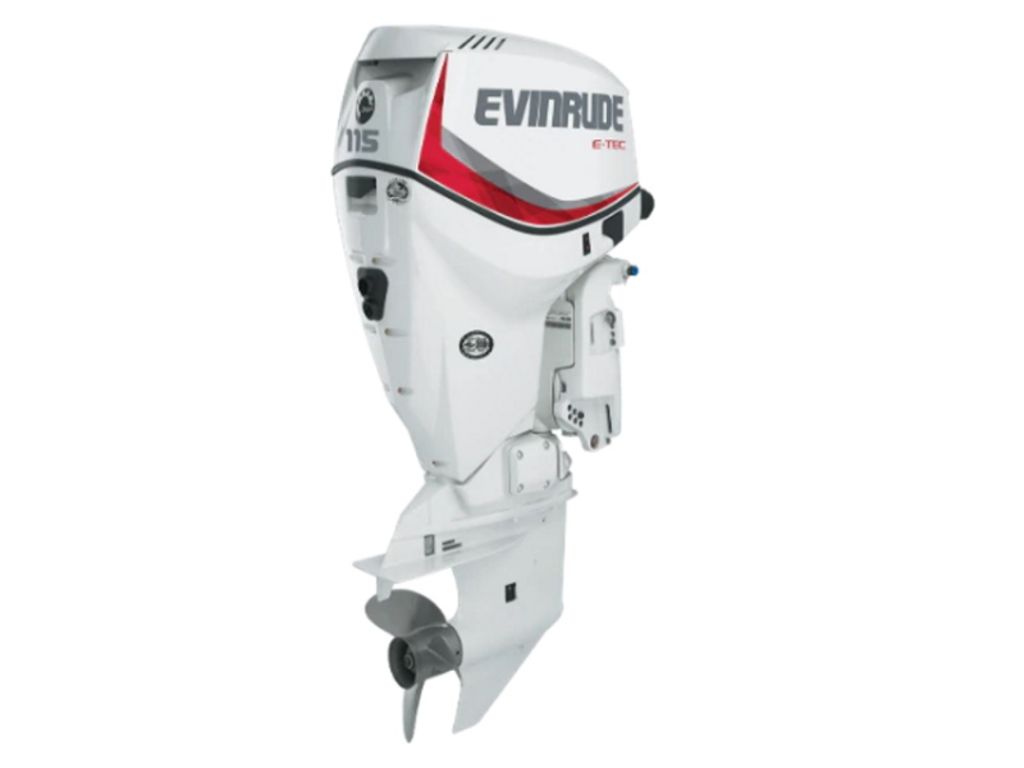
A propeller should be selected for the complete boat and engine combination. Matching a familiar shape, brand or pitch marking is not enough to establish that a different propeller will suit the application. A useful buying process starts by collecting the current configuration and the outcome you want to improve.
Read the existing identification
Record the outboard or drive’s complete model and serial number, then photograph the existing propeller markings. Note the propeller model or part number if it is legible. Keep any dimensional information separate from the seller’s general description so a specialist can distinguish what is documented from what still needs checking.
Mercury’s explanation of diameter and pitch defines diameter as the circle swept by the blade tips and pitch as theoretical forward travel per revolution. Those measurements describe the propeller; they do not promise a particular boat speed, fuel saving or compatibility with every engine of similar horsepower.
Explain how the boat is used
Describe the hull, usual passenger and equipment load, and the activity the boat is intended for. Explain a concern in observable terms rather than asking for “the fastest prop.” Different operating priorities need a more specific conversation. Keep the boat’s published limitations and the engine manufacturer’s guidance in the discussion.
If you have existing operating records, present them with their conditions and source. Do not invent missing RPM or performance figures to complete a selector form. A specialist can tell you what additional information is needed and how it should be obtained safely. Shopping research is not a substitute for an appropriate on-water assessment.
Check more than one number
Ask the specialist to confirm the exact propeller application, rotation, hub arrangement and any required compatible hardware. A shared pitch number does not settle those details. Do not assume that components included with one propeller listing are included with another, or that hardware from the old assembly can automatically be reused.
Mercury’s propeller-selection overview describes using boat, engine and intended-use information to narrow a recommendation. Treat a selector result as a starting point for confirmation against the actual installation. It should not override a model mismatch or unresolved specification in a product listing.
Keep selection and installation separate
Have a qualified marine professional confirm suitability and the required installation and testing process. Do not make a propeller change to work around an unresolved engine or control problem without proper diagnosis. This checklist deliberately avoids prescribing a pitch change or an engine operating target for an unidentified boat.
Use the outboard identification guide to complete the reference information, review the rest of the rigging system, and browse the marine catalog for relevant listings. Where a required accessory is not listed, ask about it through support instead of assuming it is included with a motor.
What information does an outboard prop selector need?
Collect the exact engine and gearcase information, the boat details, the current propeller identification and the load normally carried. Where available, include reliable operating results for the present setup. A boat propeller selector is a starting point for comparison; confirm the result against the engine and propeller manufacturer’s guidance.
Can I choose a propeller by horsepower alone?
No. Prop selection also depends on the compatible hub and mounting arrangement, the boat’s use and the operating range required by the engine manufacturer. Do not treat a similar horsepower label as proof that two propellers interchange. Review outboard rigging compatibility when the project includes a motor change.
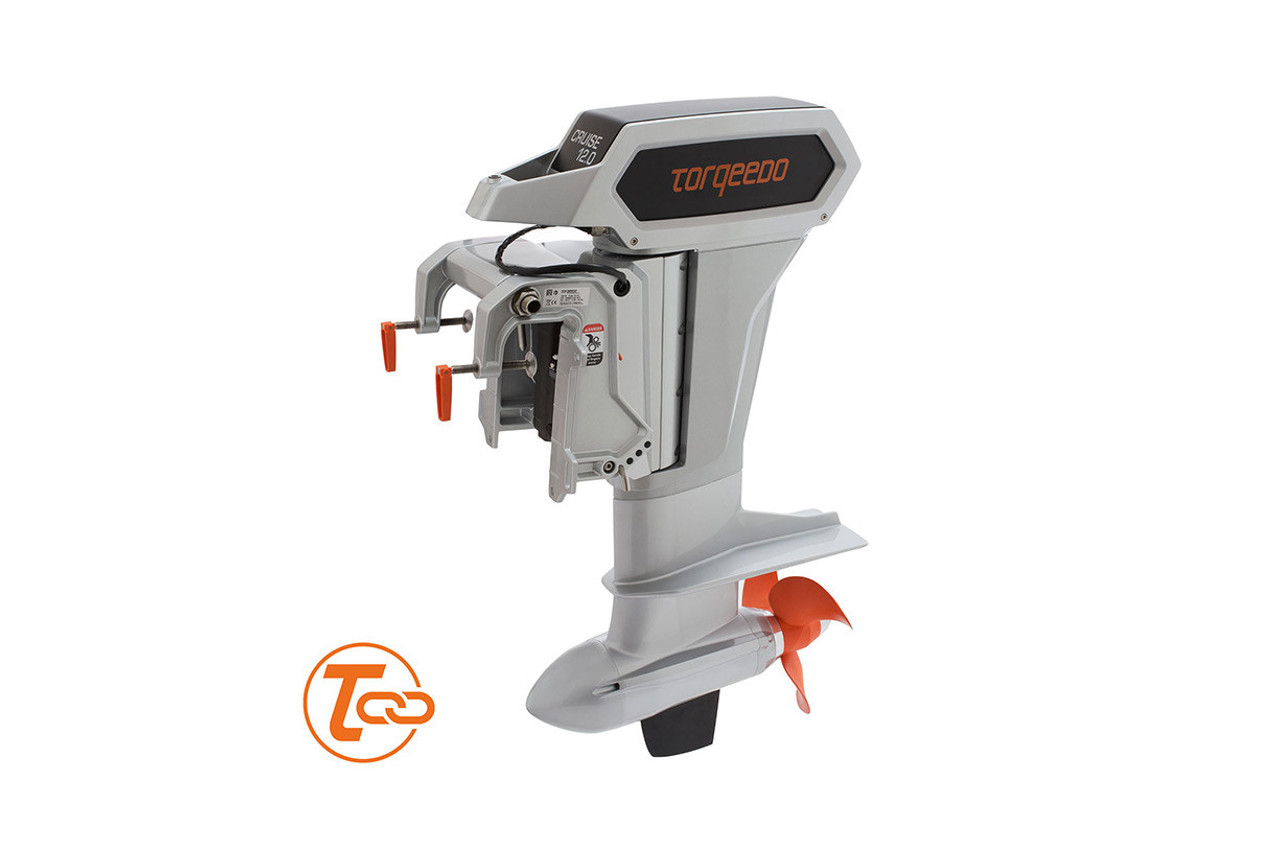 The whole system matters
 Plan the arrival
Always confirm the exact model, part number, condition and included components on the product listing. For a compatibility question, contact TorqueHarbor before ordering.