
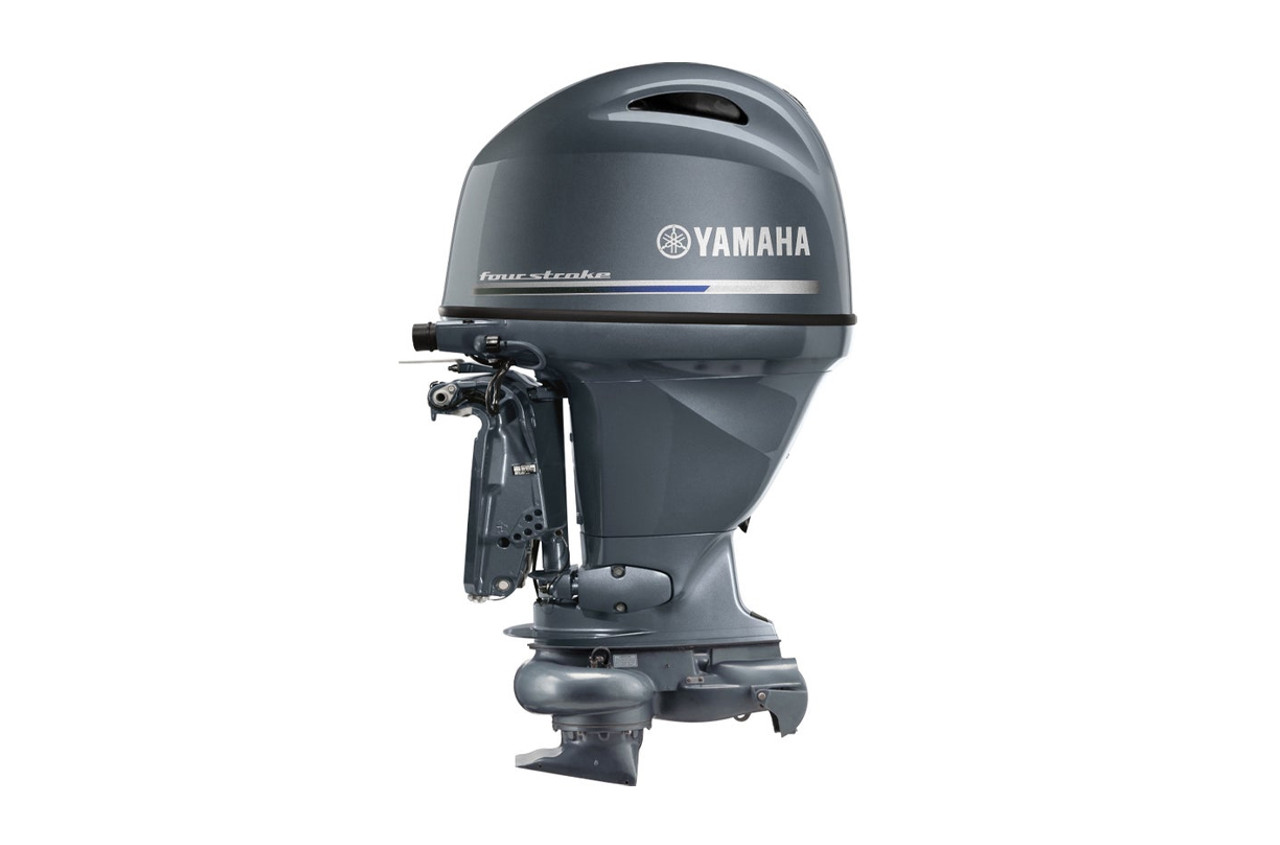
The horsepower on an outboard cover is a starting point, not a complete product identity. Before choosing a replacement motor or asking about a component, build a reference that connects your boat, the existing engine and the exact listing you are considering. A clear identity makes the next conversation more useful and reduces avoidable assumptions.
Start with the identification label
Photograph the complete model and serial label while keeping the characters readable. Yamaha’s official manual lookup uses a prefix model code, shaft length and complete serial number. Its instructions explain that leading zeroes may be required. Keep the photograph alongside your typed transcription so a missing character can be checked later.
Honda provides a separate serial-number locator for its outboards. It identifies the frame serial number on or near the stern bracket and explains the model-name format. Manufacturer naming systems differ, so do not decode another brand by applying a familiar Yamaha or Honda convention.
Create an identity sheet for the project
Record the boat make and model, the engine’s complete model designation, its serial number, the stated shaft length and the controls currently fitted. Add clear photographs of the engine label and helm equipment. Separate facts copied from labels from information you have been told. Mark an unreadable detail as unknown instead of replacing it with a guess.
Include the candidate listing’s title, store SKU and URL. A store SKU identifies a seller’s listing; a manufacturer model or part number identifies something different. Keeping both lets support find the offered item while a qualified marine professional checks whether that configuration suits your boat. Neither number, by itself, proves compatibility.
Compare the complete offer
Two listings with similar covers can include different equipment. Ask whether the advertised offer includes controls, harnesses, gauges, a propeller, mounting components or only the motor. If a component appears in a photograph but is absent from the description, request written clarification. Do not assume accessories from your existing installation can transfer to the replacement.
Keep model identity separate from condition and service evidence. A legible serial label does not establish operating hours, maintenance history or warranty coverage. Request the relevant records individually and compare any dates and serial references with the engine being offered. Unresolved differences should remain open questions until someone checks the actual item.
Use identification to narrow the next step
With the identity sheet ready, compare the outboard motor listings and read the controls and rigging checklist. Send a short, specific question through TorqueHarbor’s contact page with the listing reference and the detail that needs confirmation. Share model information rather than payment or account details. Identification supports a sound buying decision; final installation and fitment still need the appropriate professional review.
What can an outboard motor serial number tell me?
The serial number identifies the particular motor within the manufacturer’s system. Use it together with the complete model designation when checking manufacturer records or asking for parts information. Do not infer the year, shaft length or engine type from a general horsepower description alone.
If the identification plate is missing or unreadable, resolve that gap before ordering model-specific parts or planning a repower. Compare outboard motor listings using the confirmed identifiers.
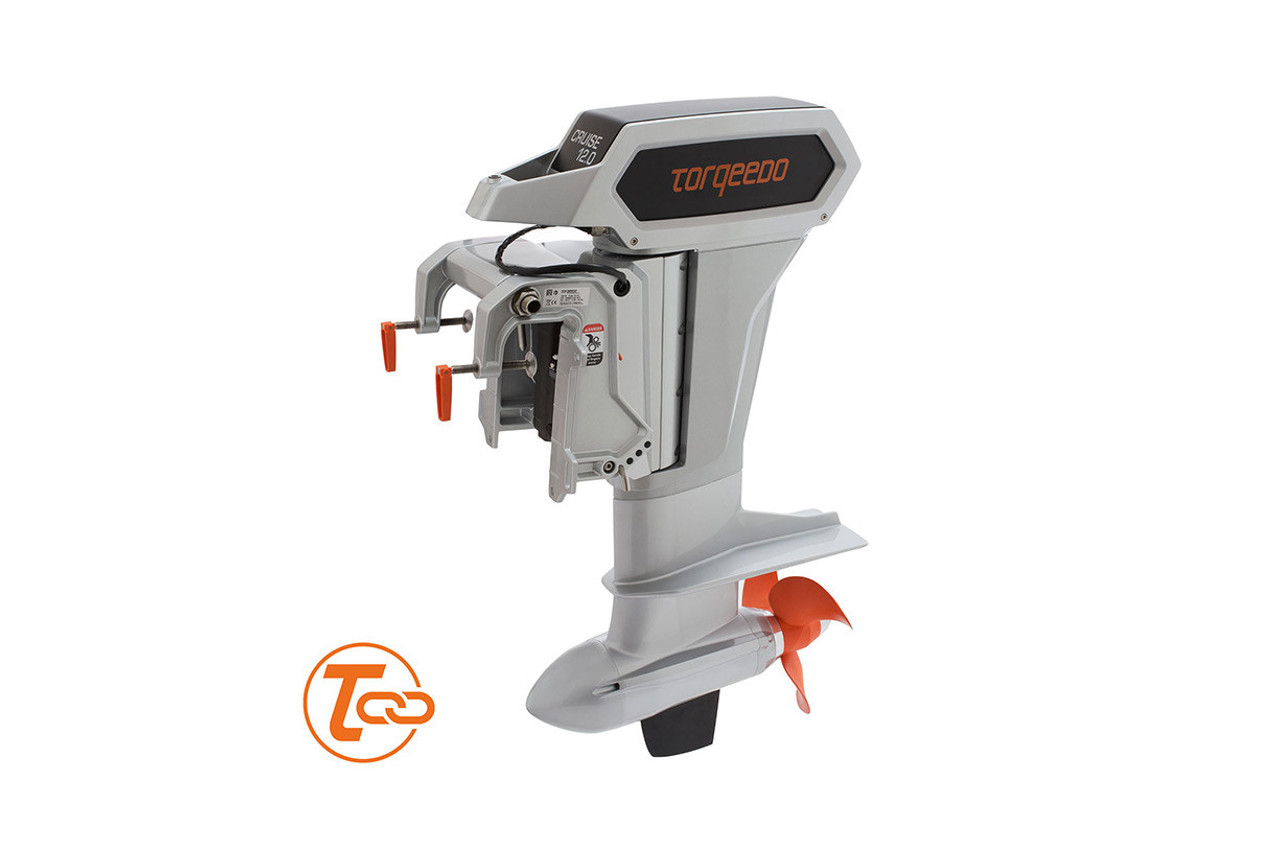 The whole system matters
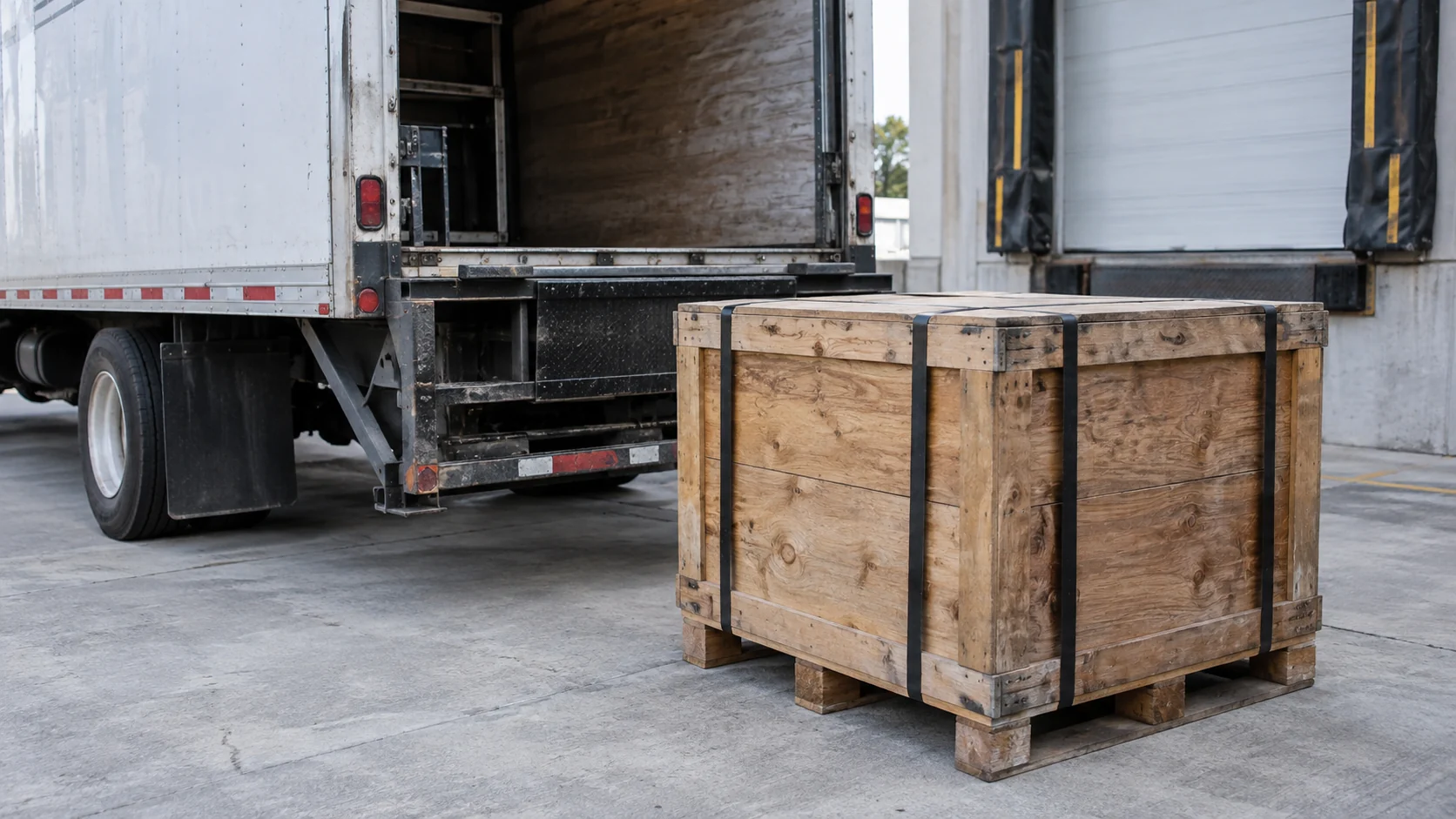 Plan the arrival
Always confirm the exact model, part number, condition and included components on the product listing. For a compatibility question, contact TorqueHarbor before ordering.