
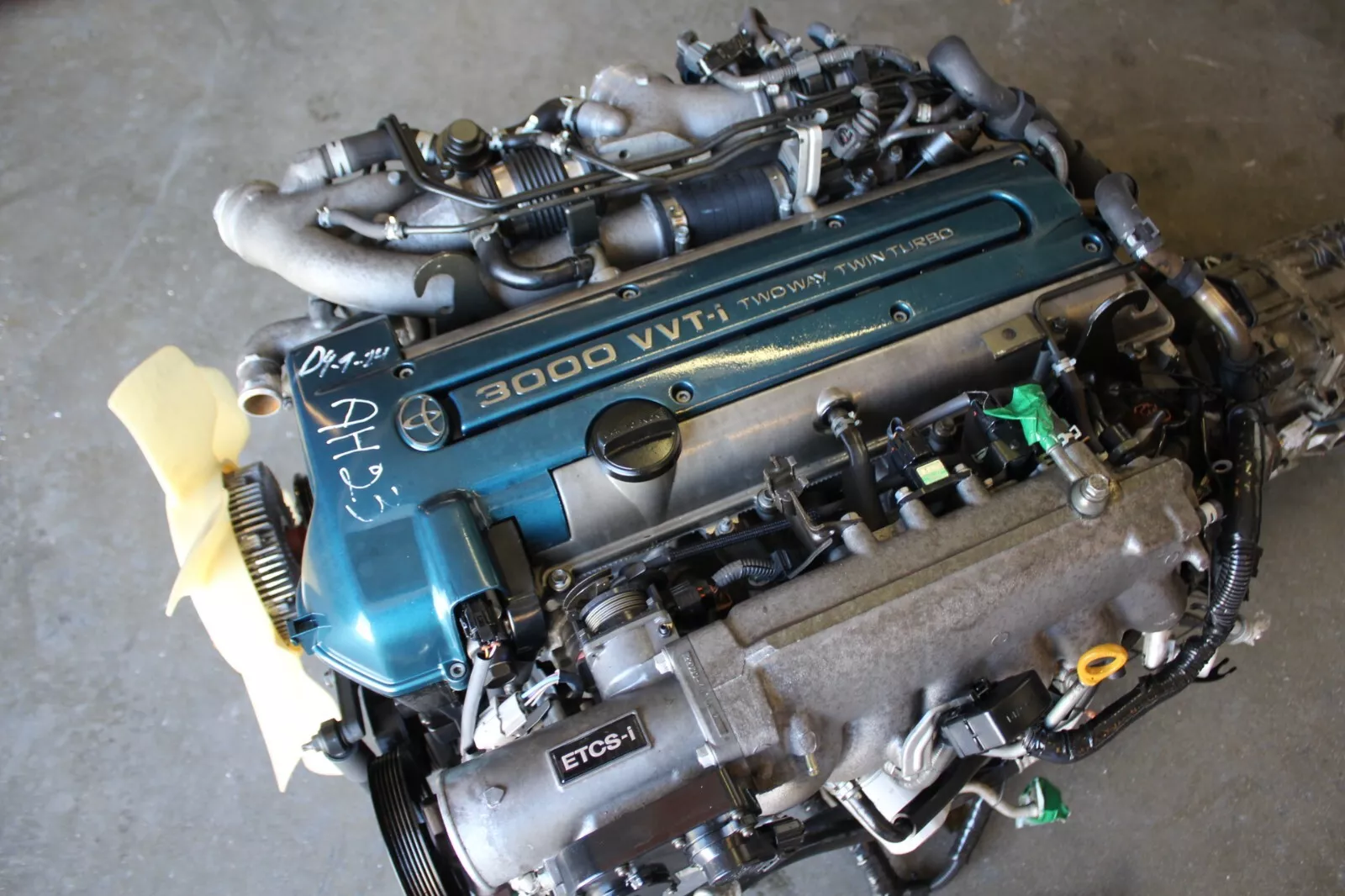
In the tiller vs remote outboard decision, a tiller motor is steered and throttled by a handle on the engine itself, while a remote motor is run from a steering wheel and control box at a console. Tillers cost less to rig, weigh less as a package and give great low-speed control for fishing small boats. Remote steering is the better choice for larger boats, higher horsepower, rough water and anyone who wants to sit forward, behind a windshield, with gauges in view.
Below is how to decide, what each setup really costs, and how to read the model codes so you order the right version.
How each setup works
Tiller outboards
A tiller motor has a steering arm, or handle, attached to the engine. You twist the grip for throttle, use a shift lever on the motor or handle, and steer by swinging the arm. Smaller tillers are often pull-start; many mid-size tillers add electric start and power trim and tilt switches on the handle. Everything you need to run the boat is built into the motor.
Remote-control outboards
A remote motor has no handle. It is operated from a helm through a control box (throttle and shift), a steering system (mechanical cable or hydraulic), a key switch, and usually gauges or a digital display. Larger modern motors may use digital throttle and shift instead of cables. The motor itself is only one part of the system.
Tiller vs remote outboard: side-by-side
| Factor | Tiller | Remote steering |
|---|---|---|
| Rigging cost | Low; controls built in | Higher; control box, cables or hydraulics, harness, gauges |
| Boat layout | Operator sits at the stern | Console or helm, more open deck aft |
| Low-speed control | Very precise, great for drifting and trolling | Good, depends on steering system |
| Comfort on long runs | Tiring at speed or in chop | Seated, protected, easier on the arm |
| Weight distribution | Operator weight at the stern | Operator weight forward, often better running trim |
| Typical horsepower | Portables through mid-range | Mid-range and up |
When a tiller makes sense
- Small fishing boats and jon boats. Anglers who back-troll, drift or work shorelines like the one-hand feel of a tiller.
- Budget repowers. Skip the control box, steering and wiring, and much of the rigging bill goes away.
- Open floor plans. No console means more room for casting, gear or a dog.
- Kickers and tenders. Small portables such as the Yamaha F9.9SMHB are tiller-only by nature. Our portable 6 hp outboard guide covers the smallest end.
Tillers also come in surprisingly strong versions. Mid-range models such as the Yamaha F40 midrange tiller F40LEHA or the Mercury 60ELHPT SeaPro Command Thrust tiller are popular on bigger aluminum boats. Past a certain size, though, steering by hand at speed becomes tiring, and the boat’s design may not suit sitting at the stern.
When remote steering is the better choice
- Larger and faster boats. At higher speeds and in chop, a wheel gives steadier control and lets you brace yourself.
- Family and passenger boats. Runabouts, pontoons and bowriders are laid out around a helm.
- Weather and spray. A console with a windshield keeps the driver drier on long runs.
- Trim and visibility. Moving the driver forward can improve how the boat runs and helps visibility over the bow on some hulls.
The trade-off is cost and complexity. You need a compatible control box, throttle and shift cables or a digital system, a steering system rated for your horsepower, a wiring harness and gauges. Our outboard controls and rigging guide lists what to check so the parts work together. Brands also publish rigging information; Yamaha Outboards is a good place to see how its controls pair with its motors.
Reading model codes: tiller or remote?
Model suffixes tell you a lot, but every brand uses its own letters. As a general guide, an “H” in the model code on many Mercury, Yamaha and Suzuki motors indicates a tiller handle, and the matching code without the “H” is often the remote version. Some examples from listings:
- Yamaha F25LWHC (handle in the code) vs F25LWC (no handle letter).
- Suzuki DF25ATHL vs DF25ATL follows a similar pattern.
Do not rely on the letters alone. Confirm the steering type, start type and shaft length in the product description or the manufacturer’s spec sheet before you order. Shaft length matters as much as steering; see our outboard shaft length guide.
Can you convert a tiller to remote, or the reverse?
On many mid-size motors, manufacturers offer kits to convert between tiller and remote operation. The kit, the labor and sometimes extra parts such as a different harness can make it costly, so it is usually cheaper to buy the version you need from the start. If you think you may switch later, ask the manufacturer’s dealer which conversion parts exist for that exact model before you buy.
A simple decision path
- Does the boat already have a console and steering? If yes, remote is usually the obvious fit.
- Is the boat small, open and used mostly for fishing at low speed? A tiller is often the better tool.
- Will you run long distances or in open water? Lean toward remote.
- Is the rigging budget tight? A tiller removes most of those costs.
Shop tiller and remote motors
Compare versions side by side in our outboard motors category, or start with a brand such as Yamaha outboards. Read each listing for the steering type, start type and shaft length so the motor matches your boat.
Frequently asked questions
Is a tiller outboard cheaper than a remote outboard?
The motor price can be similar, but the total cost of a tiller setup is usually lower because you do not need a control box, steering system, cables, harness or gauges.
What is the largest tiller outboard?
Tillers are common through the mid-range, and some brands offer tiller versions of larger motors for workboats and big aluminum fishing boats. Check each manufacturer’s current lineup for the exact range.
Are tiller outboards good for big boats?
They can work, but on larger, faster boats a tiller becomes tiring, puts the operator’s weight at the stern and offers less protection from spray. Remote steering is usually the better fit there.
Do tiller outboards have power trim?
Many mid-size tiller models offer power trim and tilt, often with a switch on the handle. Smaller portables usually use manual tilt. Confirm on the listing.
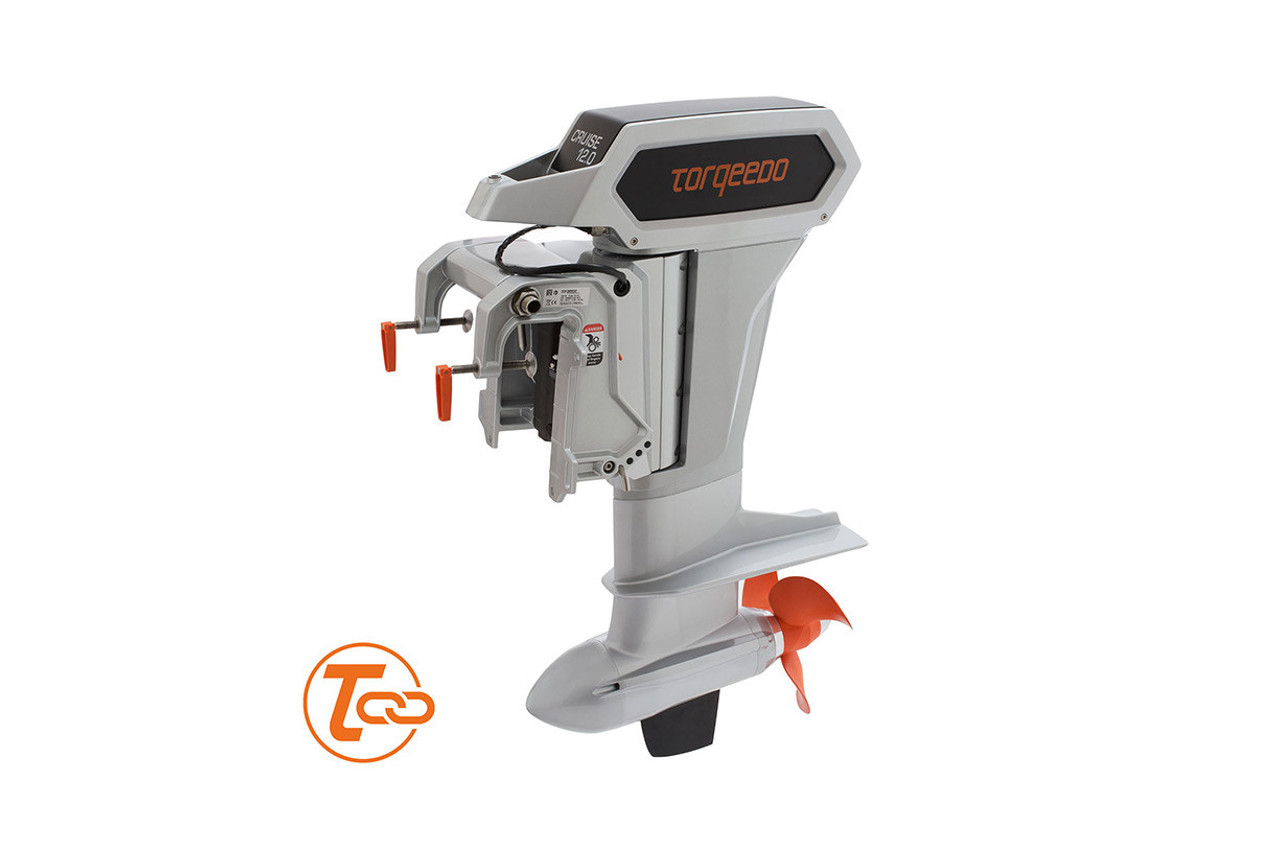 The whole system matters
 Plan the arrival
Always confirm the exact model, part number, condition and included components on the product listing. For a compatibility question, contact TorqueHarbor before ordering.