
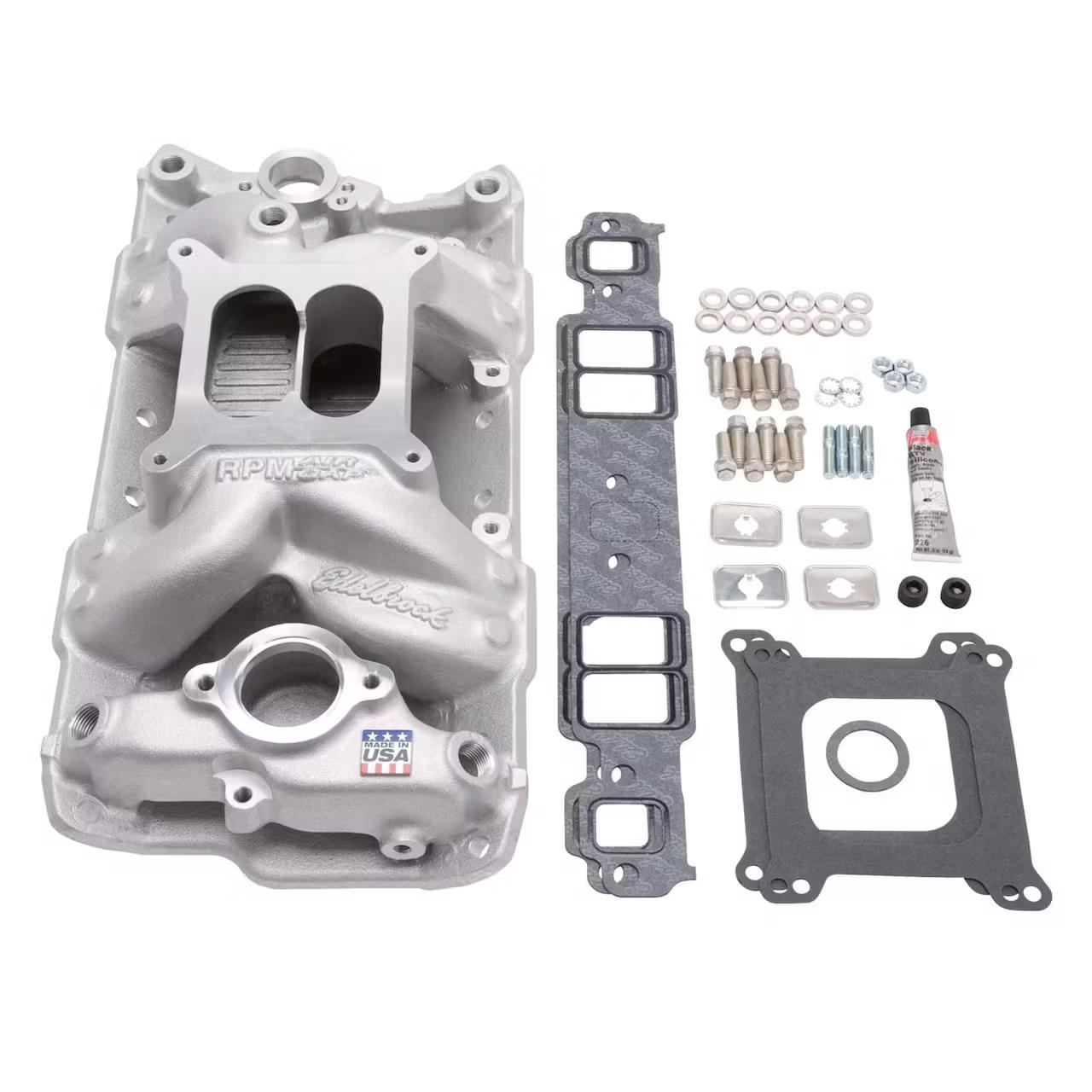
A useful parts list does more than collect attractive listings. It connects each purchase to a defined job, records the evidence behind compatibility and identifies missing information before checkout. Whether the project involves an engine, an outboard or workshop equipment, a structured list makes it easier to distinguish an essential component from a possible extra.
Write the job in one sentence
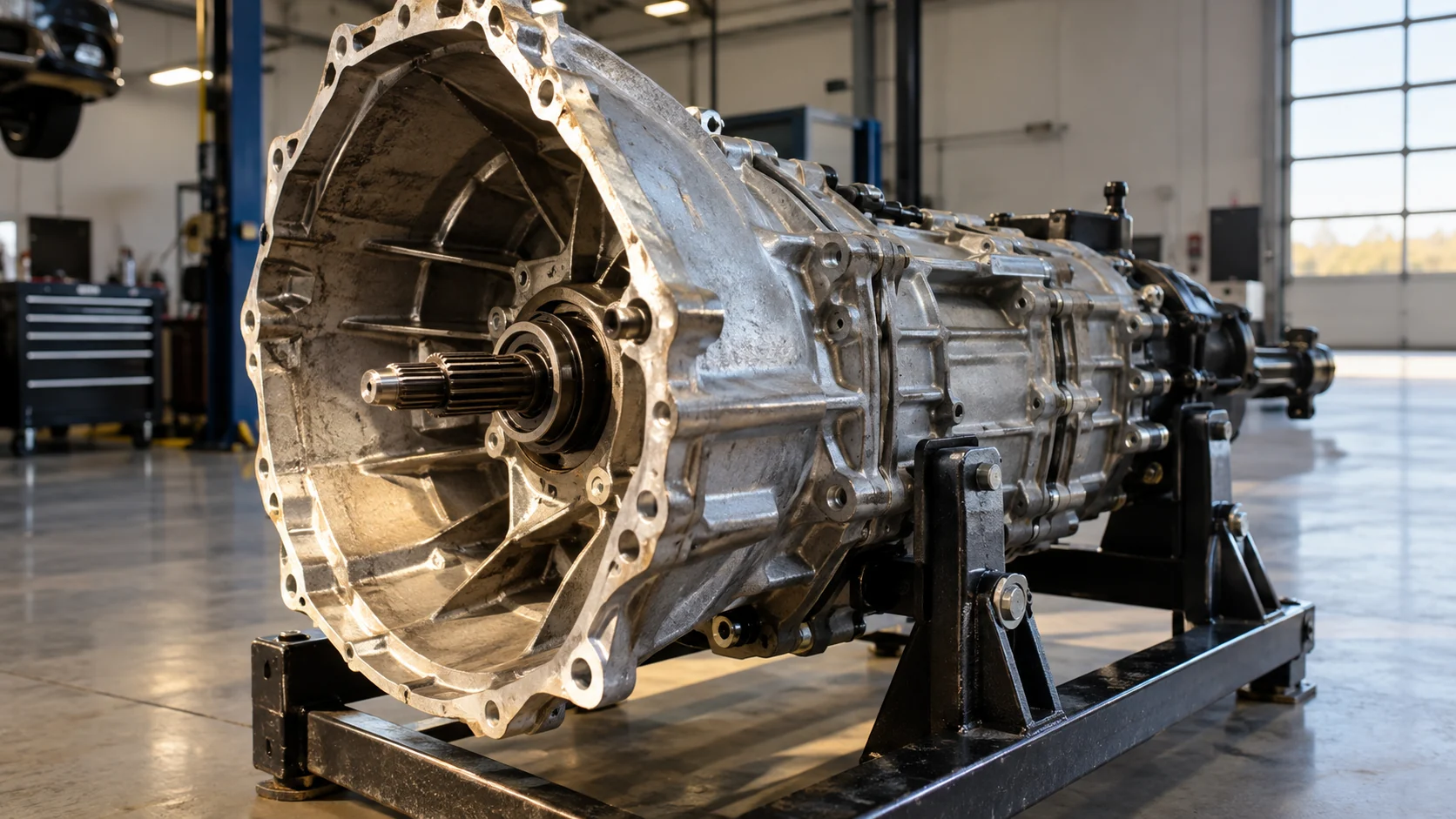
Start with the intended outcome and the exact equipment involved. “Replace the identified transmission while retaining the existing supported configuration” gives the list a clearer purpose than “upgrade everything.” Note the vehicle, engine, boat or machine references that a supplier or installer will need to assess a candidate part.
Use identifiers from the equipment and manufacturer documentation rather than relying only on appearance. As one example, Honda’s outboard identification guide distinguishes model naming from the frame serial reference. The same recordkeeping principle applies across a project: retain the exact reference and explain where it came from.
Give each item a role and a status
Create columns for the required component, manufacturer reference, candidate store SKU, quantity, included equipment, compatibility evidence and open questions. Mark each row confirmed, awaiting clarification or optional. A store SKU helps identify a listing; it should not be treated as independent evidence that the product fits your application.
Group the list by the work it supports. For an engine project, separate the main assembly from any confirmed peripheral components and installation supplies. For an outboard project, separate propulsion equipment from rigging and display decisions. Do not add a component merely because it belongs to the same broad category or appears beside a related product.
Check packages for gaps and overlaps
Compare the written contents of each package with your list. A complete-sounding title does not prove that every accessory required for your project is included. Conversely, buying a separately listed component without checking the package may duplicate something already supplied. Ask for written clarification when the itemized scope is missing.
Keep used and replacement components distinct in the plan. Record which existing parts a qualified installer expects to reuse and which require further inspection. Do not describe a reused part as suitable until that assessment is complete. A parts list should expose assumptions so they can be checked, rather than hide them behind a single total.
Review the order as a whole
Compare the current product prices, delivery terms and the installer’s confirmed scope. Retain a separate allowance for unresolved items without inventing a precise cost. A cart discount does not make an unneeded or incompatible component useful, and a product recommendation is not proof that it completes your particular kit.
Read the engine budget guide or outboard rigging guide for the relevant project, then compare the parts catalog. Send support the exact listing references for unanswered product questions. The best final list is the one whose purpose, contents and remaining uncertainties are clear to everyone working on the project.
 Start with the right reference
 Plan the arrival
Always confirm the exact model, part number, condition and included components on the product listing. For a compatibility question, contact TorqueHarbor before ordering.