
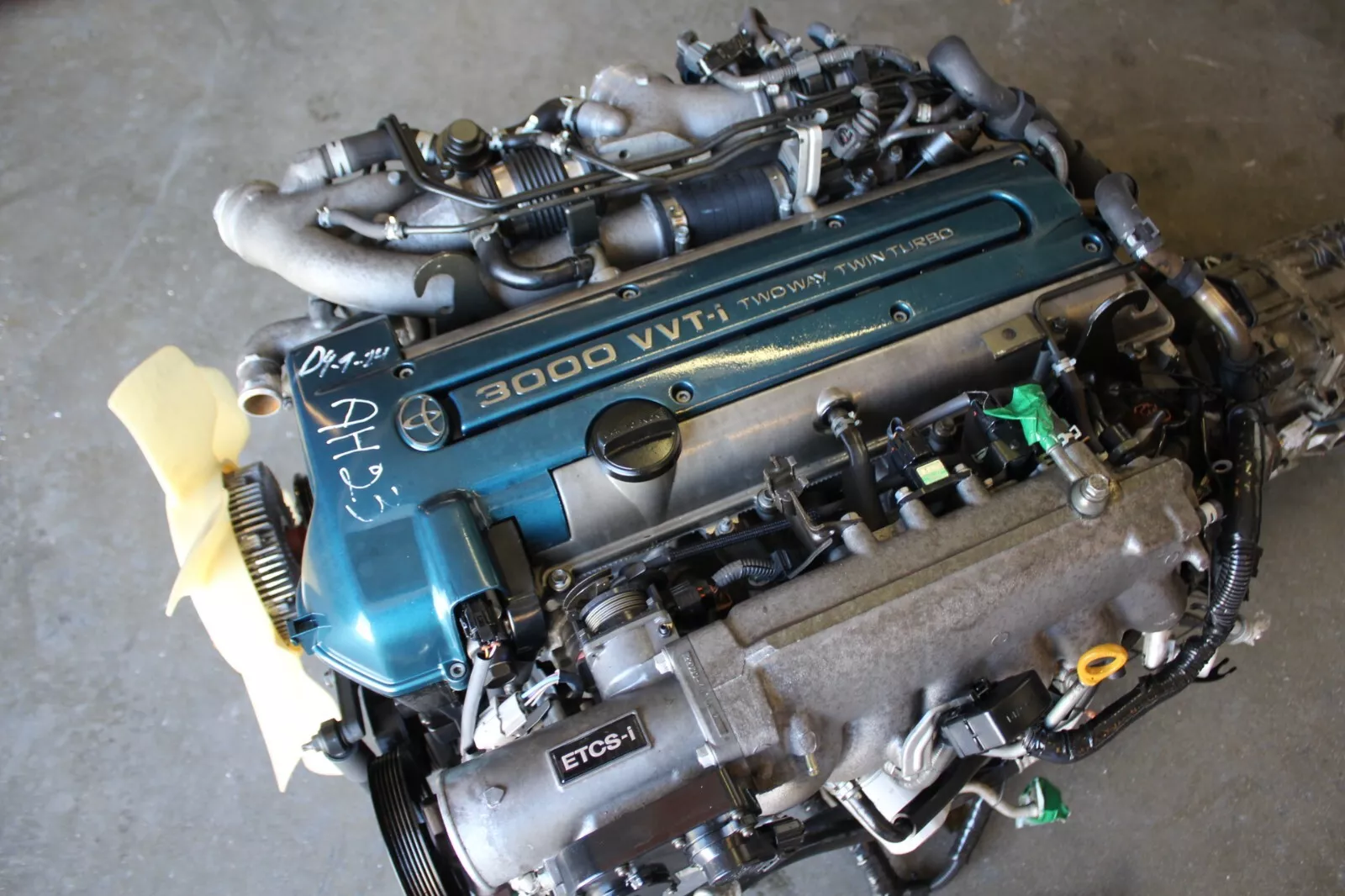
A good new engine break in procedure starts before the engine ever fires: prime the oil system, confirm the basics, and have the builder’s instructions in hand. After that, most builders want the same things: no long idling at first start (especially with a flat-tappet camshaft), varied engine speed and moderate load for the first several hundred miles, close watch on gauges and leaks, and an early first oil and filter change. The engine builder’s own instructions always come first, because the right procedure depends on how that engine was built.
This guide covers the generally accepted steps for a replacement or crate engine, and where you should defer to the people who built it.
Why a new engine break in procedure matters
Break-in is the period when new piston rings seat against the cylinder walls and other moving parts settle in. Rings that seat well seal combustion pressure, control oil consumption and help the engine make its rated power. Rings that glaze over, often from long gentle idling or very light loads, may never seal properly. A flat-tappet camshaft adds a second concern: the lifters and cam lobes need the right oil, the right lubrication and the right speed in the first minutes of running.
Read the builder’s instructions first
Every engine builder publishes its own procedure, and they do not all agree. Some crate engines ship with a break-in oil already specified, some use a roller camshaft that needs no cam break-in, and some have specific first-start RPM targets. Warranty terms from the builder may also depend on following their steps. If anything in this article conflicts with the paperwork that came with your engine, follow the paperwork.
For GM crate engines, Chevrolet Performance publishes installation and break-in information for its products. Other builders, such as BluePrint Engines and ATK, include instructions with their engines.
Before the first start
- Check fluids and torque. Confirm oil level with the oil type the builder specifies, coolant mixed and bled of air, and critical fasteners like the intake, valve covers and accessory brackets tight.
- Prime the oil system. Build oil pressure before the engine runs, using a priming tool on engines where that is possible or the method the builder recommends. You want oil at the bearings and lifters before the first crank.
- Set ignition timing and fuel. Make sure the base timing is close, the fuel system holds pressure without leaks, and the engine will start quickly. Long cranking washes oil off cylinder walls.
- Confirm gauges. You need a reliable oil pressure reading and coolant temperature reading from the first second.
- Prepare the space. Run the engine outdoors or with exhaust properly vented. Engine exhaust contains carbon monoxide, which you cannot see or smell. Keep a fire extinguisher close and keep hands, hair and clothing clear of belts and fans.
Flat-tappet vs roller camshaft break-in
| Question | Flat-tappet camshaft | Roller camshaft |
|---|---|---|
| Needs a dedicated cam break-in run? | Yes, per the builder or cam maker | Generally no, but follow the builder |
| First start | Fire quickly and hold a raised, varied RPM for the time the instructions specify; avoid idling | Normal warm-up; avoid long idling while checking for leaks |
| Oil | Oil with adequate zinc/phosphorus (ZDDP) or a break-in oil, as specified | Oil type specified by the builder |
| Valve springs | Some builders recommend reduced spring pressure for break-in on high-lift combinations | Not usually a break-in concern |
Older small-block and big-block engines, and many budget rebuilds, use flat-tappet cams. Most modern factory engines and many current crate engines use roller cams. Check the listing or build sheet if you are not sure which you have.
The first start and first run
When the engine fires, watch the oil pressure gauge immediately. If there is no pressure within a few seconds, shut it off and find out why. On a flat-tappet engine, bring RPM up to the range the builder or cam maker specifies and vary it gently for the full cam break-in period. A commonly cited range is roughly 2,000 to 2,500 RPM for about 20 minutes, but use your builder’s numbers if they differ.
During the run, keep an eye on:
- Oil pressure and coolant temperature
- Oil, coolant and fuel leaks
- Unusual noises like knocking, ticking that gets worse, or squealing belts
- Smoke from the exhaust or from hot new paint and sealant (a little burn-off smell is normal)
Once the first run is done, let it cool, recheck fluid levels, look for leaks again, and retorque anything the builder lists for a post-run check.
The first few hundred miles
Most builders give a version of the same advice for early driving:
- Vary speed and load. Avoid long stretches at one constant RPM, like a highway cruise on cruise control.
- Use moderate acceleration with some load on the engine. Short, firm (not full-throttle) accelerations followed by coasting help seat rings.
- Avoid lugging the engine in a high gear at low RPM, and avoid sustained full throttle and high RPM until the builder says it is fine.
- Avoid long periods of idling.
- Do not tow or carry heavy loads during break-in.
First oil change
The first oil and filter change usually comes early, because it carries away assembly lube and the fine particles from new parts settling in. Many builders call for it after the initial run or within the first few hundred miles, then a second change at their stated interval. Cut open or inspect the old filter if you can. A little fine material is normal; chunks or lots of bright metal are a reason to stop and call the builder.
If you are switching from break-in oil to regular oil, use the grade and specification the builder lists.
Keep records
Write down the date, mileage, oil used, timing setting and anything you noticed during break-in. Keep receipts for oil and filters. If a question comes up later, that log helps the builder help you. It also helps when you check whether the engine you received matched the order, which our engine freight delivery checklist covers in detail.
Where to start your engine search
If you are still choosing an engine, compare options in crate engines and replacement engines. Popular small-block options include the Chevrolet Performance ZZ6 350 dressed crate engine, the BluePrint 350 Cruiser EFI crate engine and the ATK HP94C 383 stroker crate engine. Each listing points you to the builder, whose break-in instructions are the ones to follow. Our guide comparing a complete engine vs a long block also explains what parts you may need to add before first start.
Frequently asked questions
How long does a new engine break-in take?
The first run is usually short, often around 20 minutes for a flat-tappet cam break-in, and the gentle driving period commonly runs for the first several hundred miles. Your builder’s instructions set the actual numbers.
Can I let a new engine idle to warm up?
Short idling to check for leaks is fine on a roller-cam engine. On a flat-tappet engine, avoid idling during the cam break-in run, because low RPM reduces oil splash on the cam and lifters.
Do I need special break-in oil?
Many flat-tappet engines need oil with enough zinc and phosphorus, or a dedicated break-in oil. Some crate engines specify a particular oil. Use what the builder lists.
When should I do the first oil change?
Early. Many builders call for it after the first run or within the first few hundred miles. Check the builder’s schedule and inspect the old filter.
 Start with the right reference
 Plan the arrival
Always confirm the exact model, part number, condition and included components on the product listing. For a compatibility question, contact TorqueHarbor before ordering.