
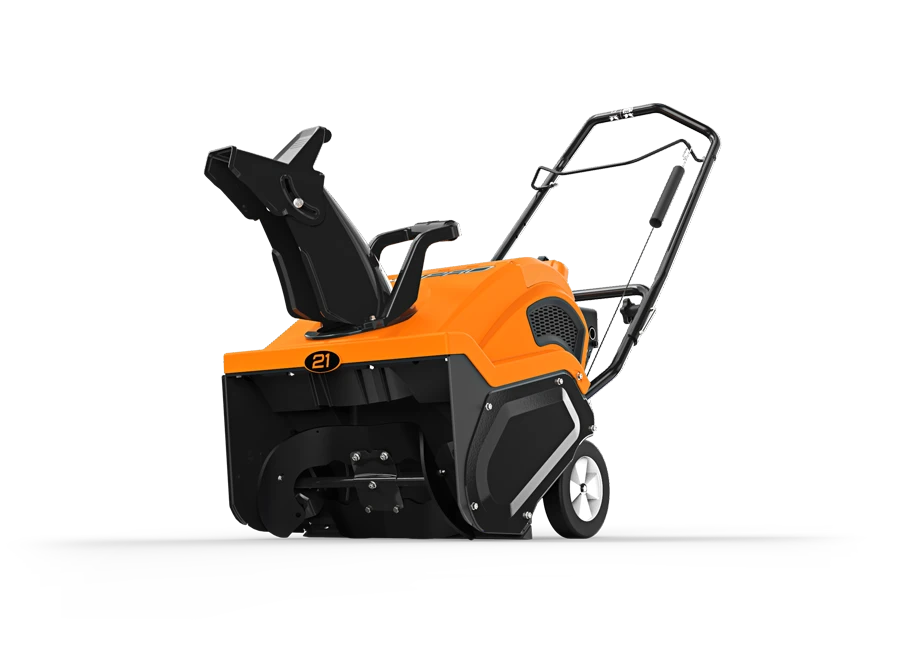
A single-stage snow blower can be a practical choice for a paved area that is easy to clear regularly. A two-stage model deserves a closer look when the job includes gravel, larger areas or demanding snow conditions. Start with the property, then compare the exact machines. The stage label alone cannot tell you how a particular model will perform.
What does the stage count describe?
In a conventional single-stage machine, the auger moves snow through the discharge path. A two-stage machine adds an impeller to the auger system. Toro’s range distinguishes its paved-surface single-stage machines from two-stage options intended for gravel and pavement. There are also crossover designs, so read the model’s stated surface suitability rather than treating every product in a category as identical.
Make a driveway profile before comparing prices
- Surface: record pavement, loose gravel, uneven joints and areas you must avoid.
- Snow: describe the storms you actually clear, including the dense ridge left by a road plow.
- Access: measure the narrowest gate, path and storage doorway.
- Handling: count turns, parked cars and places where you must reverse.
- Storage: allow room to reach the controls and move the machine out.
For example, a wide driveway behind a narrow gate creates two separate requirements: clearing capacity and access. A wider machine that cannot pass through the gate is not a workable upgrade. Photograph the route and take the measurements with you when comparing models.
Compare the complete configuration
Write down clearing width, intake height, drive system, starting method and overall dimensions for each exact model number. A family name may include several configurations. Confirm which features appear on the offered unit, particularly when the listing refers to an earlier model year.
Use our clearing-width worksheet for the size decision. If loose stones are involved, read the gravel-driveway guide before choosing.
Does two-stage always mean better?
No. Extra size, weight and cost need to solve an actual problem. If your current difficulty is turning in a tight walkway, compare handling rather than simply moving to a larger machine. If deep accumulations are the issue, examine the manufacturer’s stated application and performance for the candidate model.
Questions to settle before ordering
Ask for the model number, condition, included components, assembly requirements and relevant manual. Confirm delivery arrangements for your address. Then browse outdoor equipment with your driveway profile beside the listings. For unresolved listing details, contact TorqueHarbor before payment.
Sources and further reading
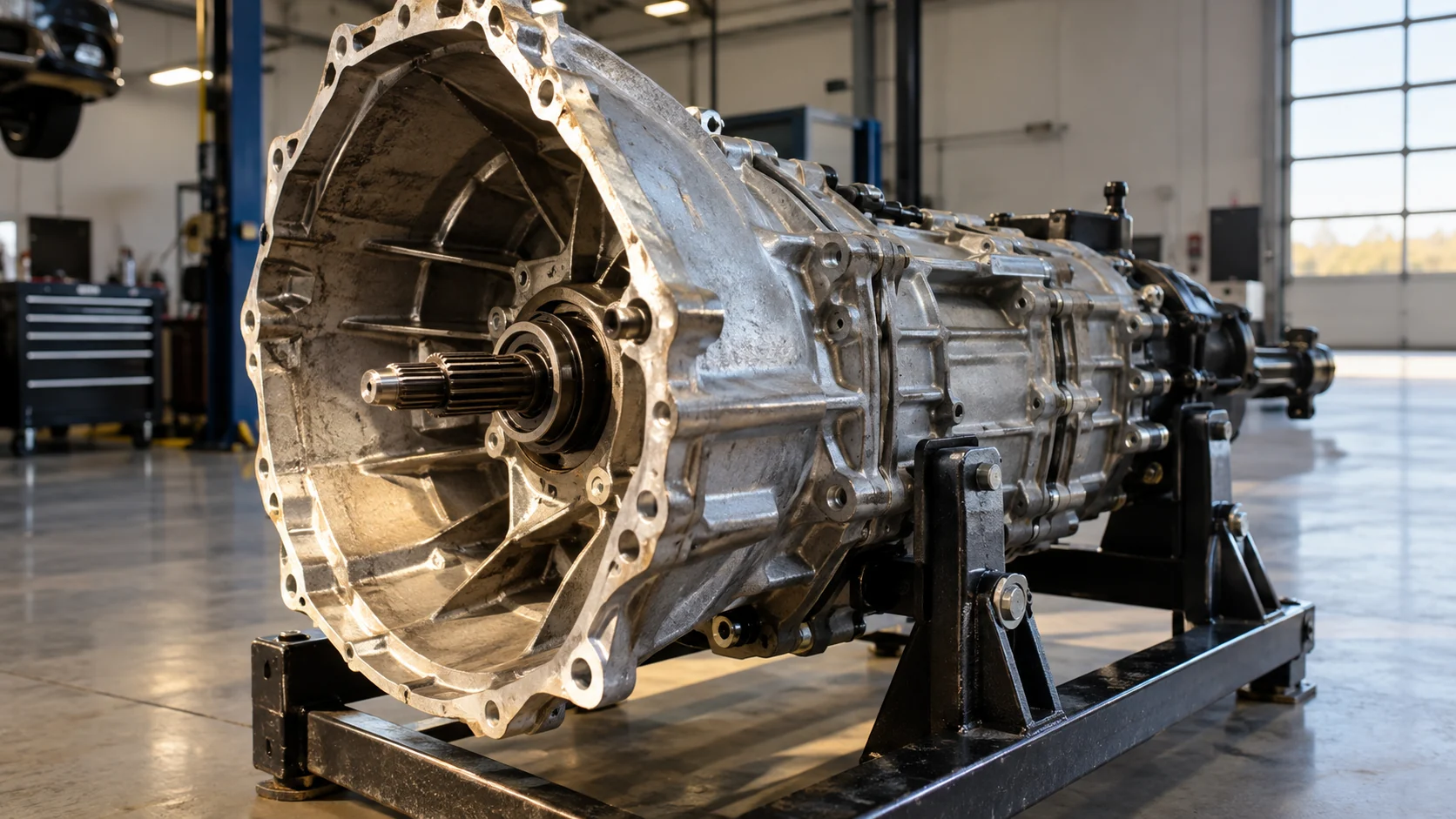 Start with the right reference
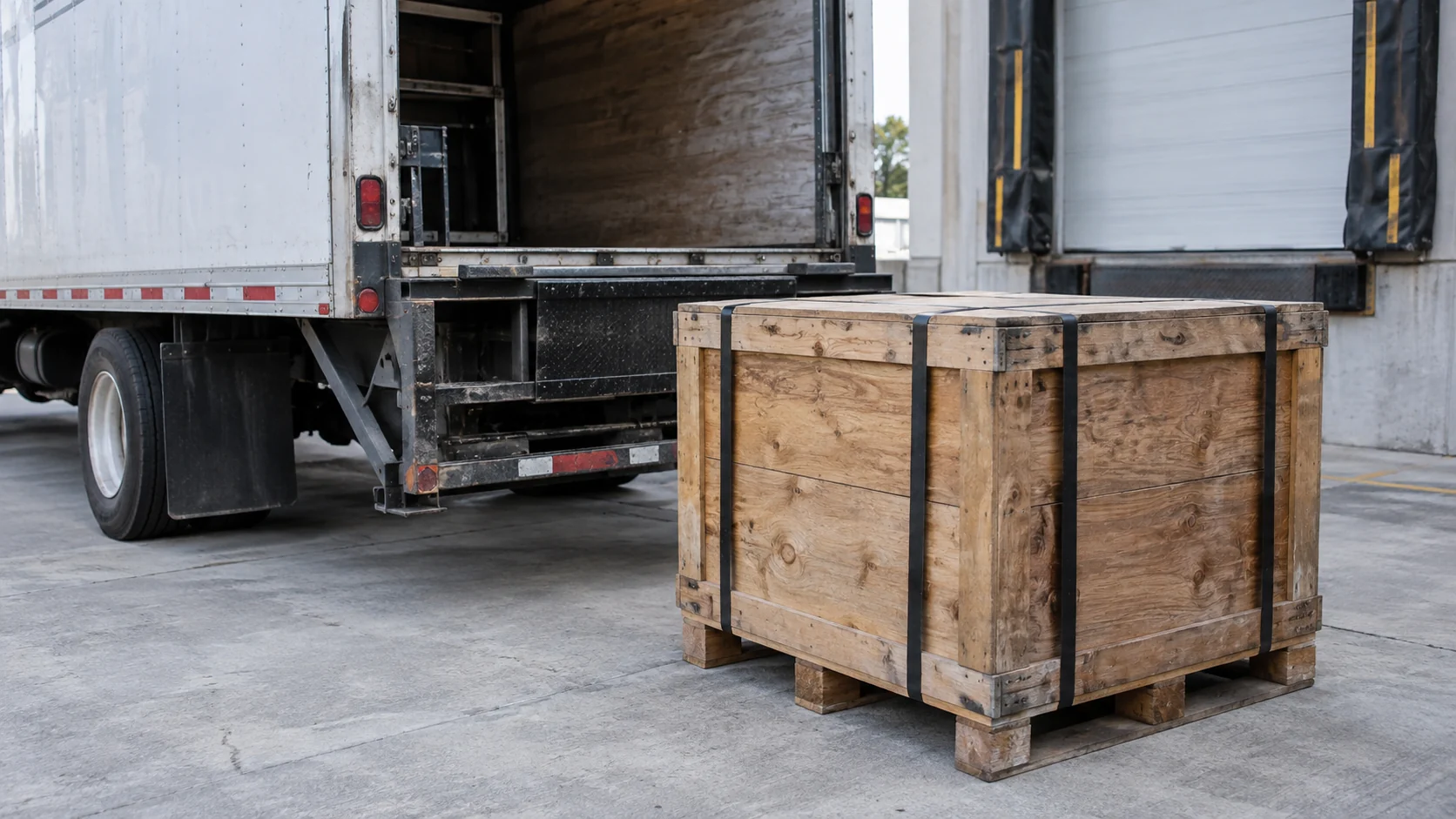 Plan the arrival
Always confirm the exact model, part number, condition and included components on the product listing. For a compatibility question, contact TorqueHarbor before ordering.