
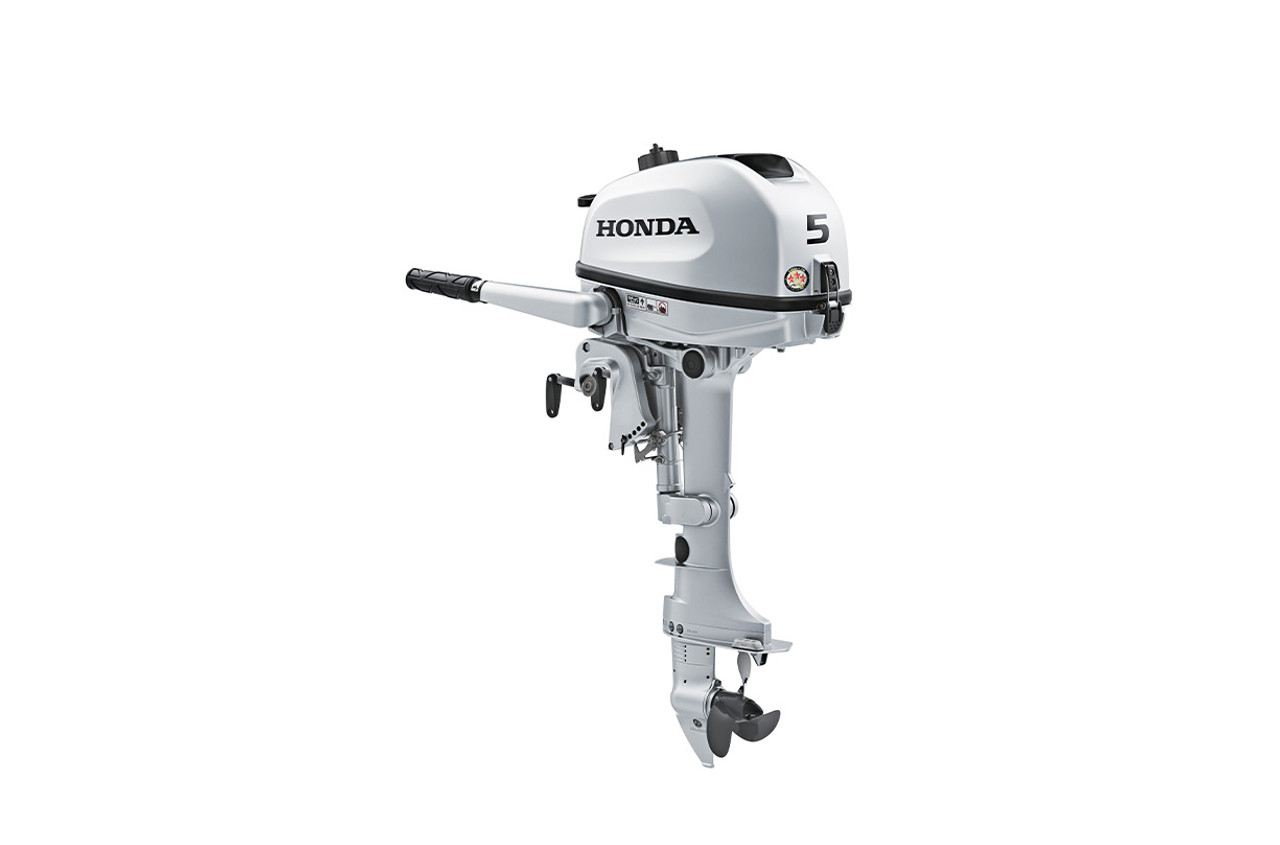
A listing that matches your preferred horsepower can still be the wrong configuration for your boat. Shaft length is one of the details to settle before comparing prices. The useful question is not simply whether an engine is described as long or extra-long, but whether its documented configuration suits the boat and planned installation.
Compare documented dimensions
Start with the boat builder’s documentation and the complete model designation of the candidate outboard. Honda’s official mid-range and large outboard brochure lists recommended transom heights by model variant, including 20-inch and 25-inch examples. Those figures belong to the specified variants; they are not a universal recommendation for every boat or engine.
Ask for the stated shaft length in the manufacturer’s specification and the matching model label. A photograph of the complete motor helps identify the offered item, but perspective makes it a poor substitute for documented dimensions. If a listing uses only a general label such as “long shaft,” request the actual specification before ordering.
Keep the boat in the decision
Describe the hull, existing motor and any relevant mounting arrangement to the marine professional reviewing the purchase. A previous owner’s installation is useful background, but it is not proof that the next engine can use the same arrangement. Let the boat builder’s information and the exact engine documentation guide the assessment.
Avoid turning a shopping checklist into a mounting instruction. Transom condition, engine weight, steering movement, clearances and the complete rigging system also matter. This guide does not prescribe a mounting height or recommend modifying a transom. Have those decisions reviewed by a qualified installer familiar with the boat and outboard.
Resolve conflicting listing details
Make a small comparison table with the listing title, complete model code, advertised shaft length, photograph reference and the information still missing. If one part of the listing says 20 inches and another says 25 inches, stop the comparison until the seller confirms the actual unit. Do not choose the detail that happens to suit your project.
Request that the confirmed configuration appears in the written order information. Keep the response with your purchase records and give the same information to the installer. A clear record is more useful than relying on a remembered telephone description when the crate arrives or the installation appointment approaches.
Compare complete costs after fitment
Once the configuration is established, compare the motor price, included equipment and published delivery terms. Read the outboard identification guide if the model code is incomplete, then browse the outboard catalog. A lower advertised price does not compensate for an unresolved shaft-length mismatch. Use support to clarify the offered product before committing to an installation plan.
How do I measure outboard shaft length?
Use the manufacturer’s specified reference points and the motor’s model information. The nominal shaft-length category is not the full height of the engine or the distance from the top cover to the propeller. Confirm the boat’s transom requirement with the boat manufacturer or installer, then compare it with the exact outboard specification.
Photograph the transom and motor identification when requesting fitment advice. For a small portable motor, our 6 HP outboard buying guide also covers carrying weight and controls.
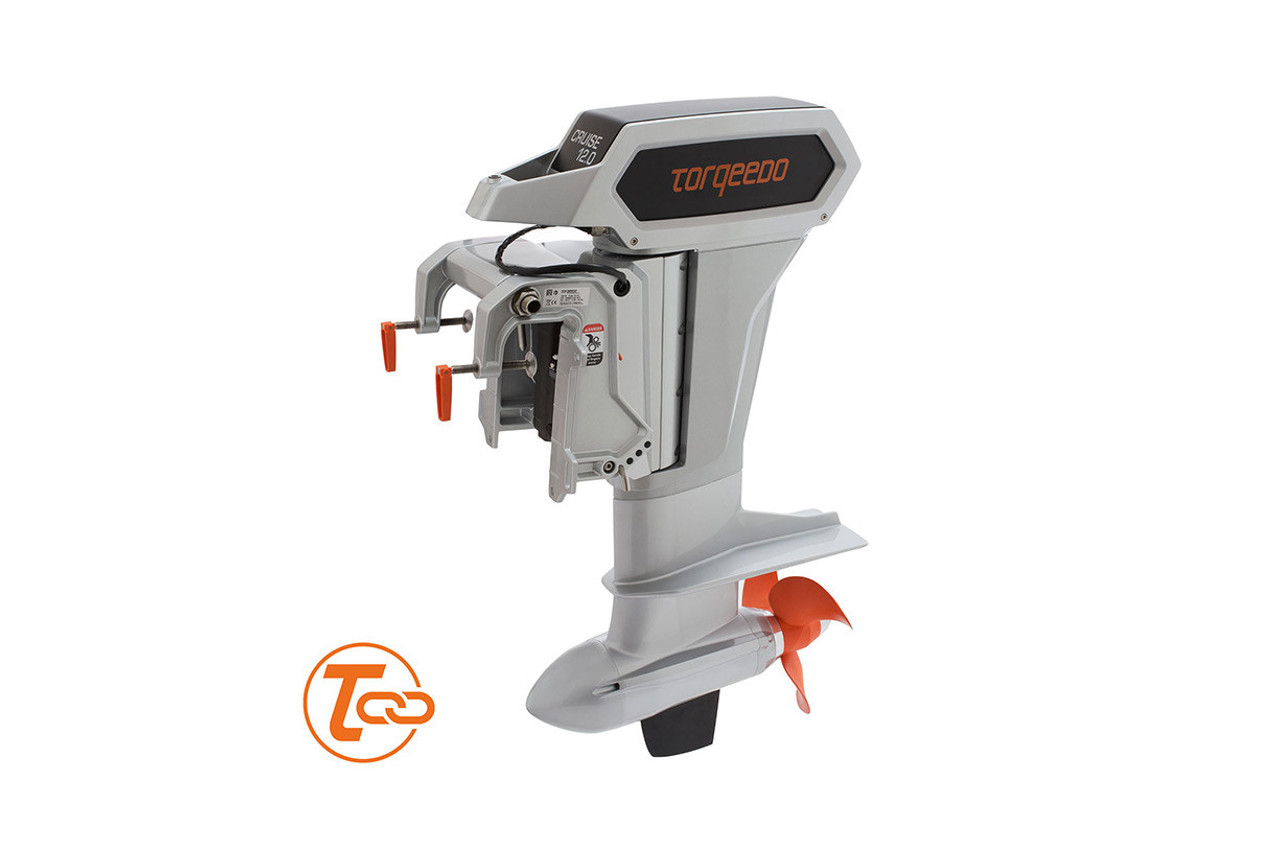 The whole system matters
 Plan the arrival
Always confirm the exact model, part number, condition and included components on the product listing. For a compatibility question, contact TorqueHarbor before ordering.