
A product listing contains several kinds of information: identification, advertised application, condition, contents, and purchase terms. Reading them separately makes it easier to spot a useful match and to notice where clarification is still needed. This approach works for engines, transmissions, electronics, and marine components.
Use the title as a starting point
Read the full title and note the stated make, model, year range, code, and component type. Those terms help you find candidates. Next, open the complete description and additional information rather than making the decision from a search card.
Compare the details with your actual vehicle or equipment. A model name can cover different configurations, and an advertised year range does not prove that every configuration within it is compatible.
Match identifiers carefully
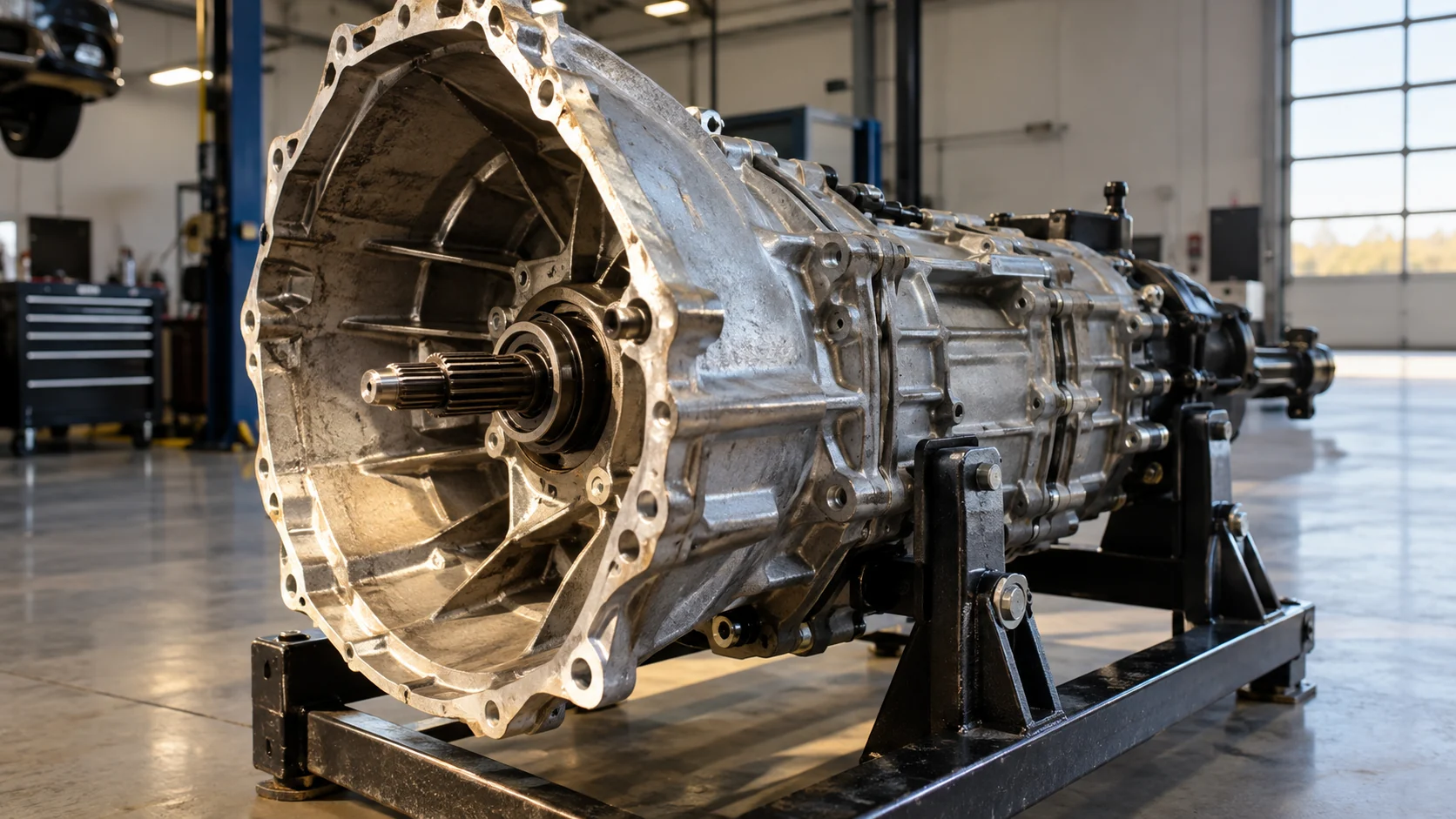
Copy manufacturer part numbers, engine or transmission codes, and relevant suffixes exactly as shown. Compare them with the original component and suitable manufacturer information. An internal store SKU identifies a catalog item; it is not automatically a manufacturer part number or a compatibility reference.
The NHTSA VIN decoder can help identify vehicle details. Combine that information with the existing assembly’s identification and the engine-code checklist. For outboards, use the model and serial-number guide instead of treating automotive identifiers as interchangeable.
Compare photographs with the written offer
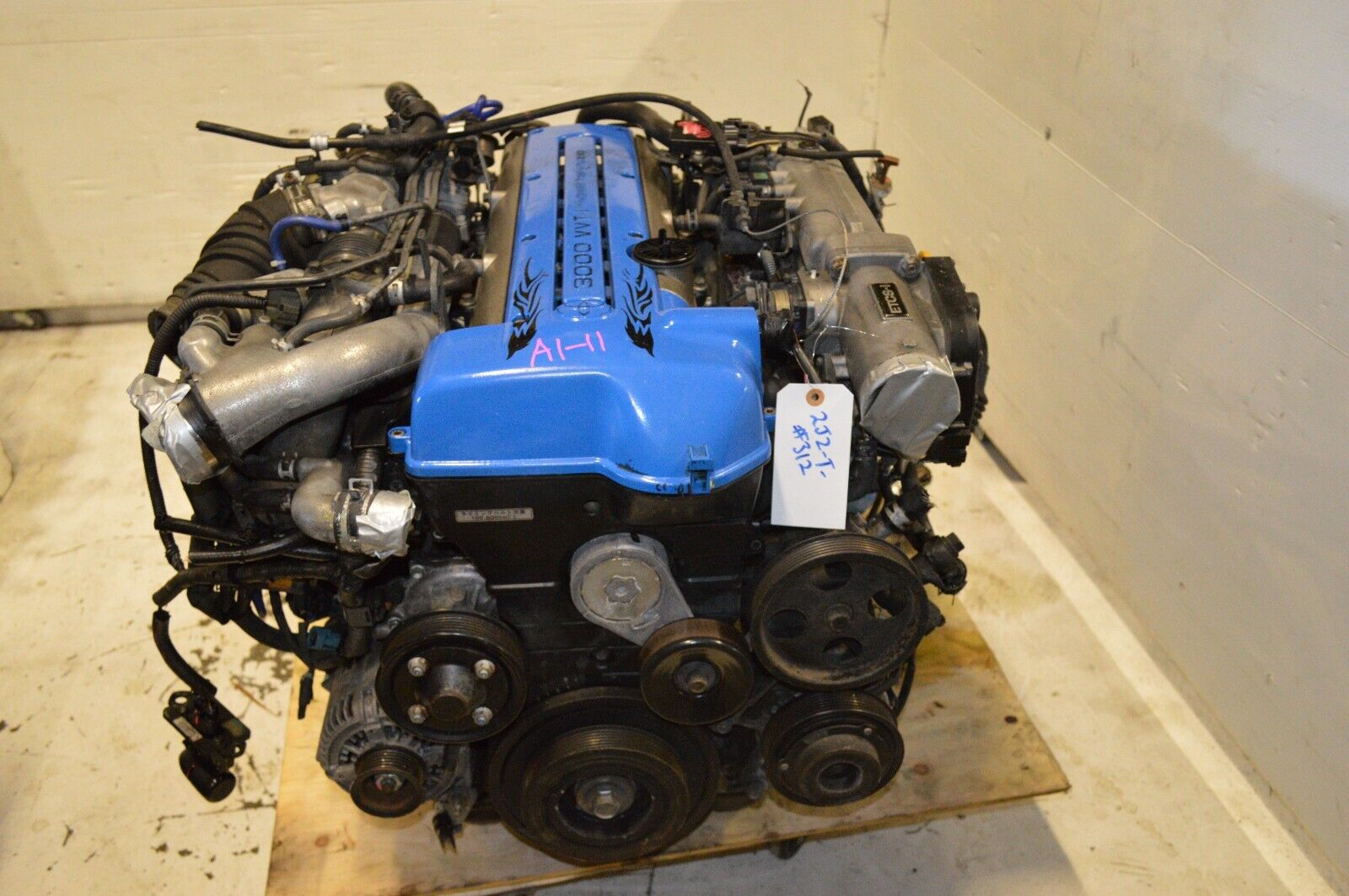
Review every image for labels, connectors, mounting points, and visible condition. Then compare what you see with the description. If an accessory is photographed but not listed as included, ask about it. If two parts of the listing conflict, record the conflict and request clarification before buying.
A photograph cannot establish an unstated internal condition, a test result, or a guaranteed fit. Our condition comparison guide explains which questions belong alongside the images.
Read the commercial details
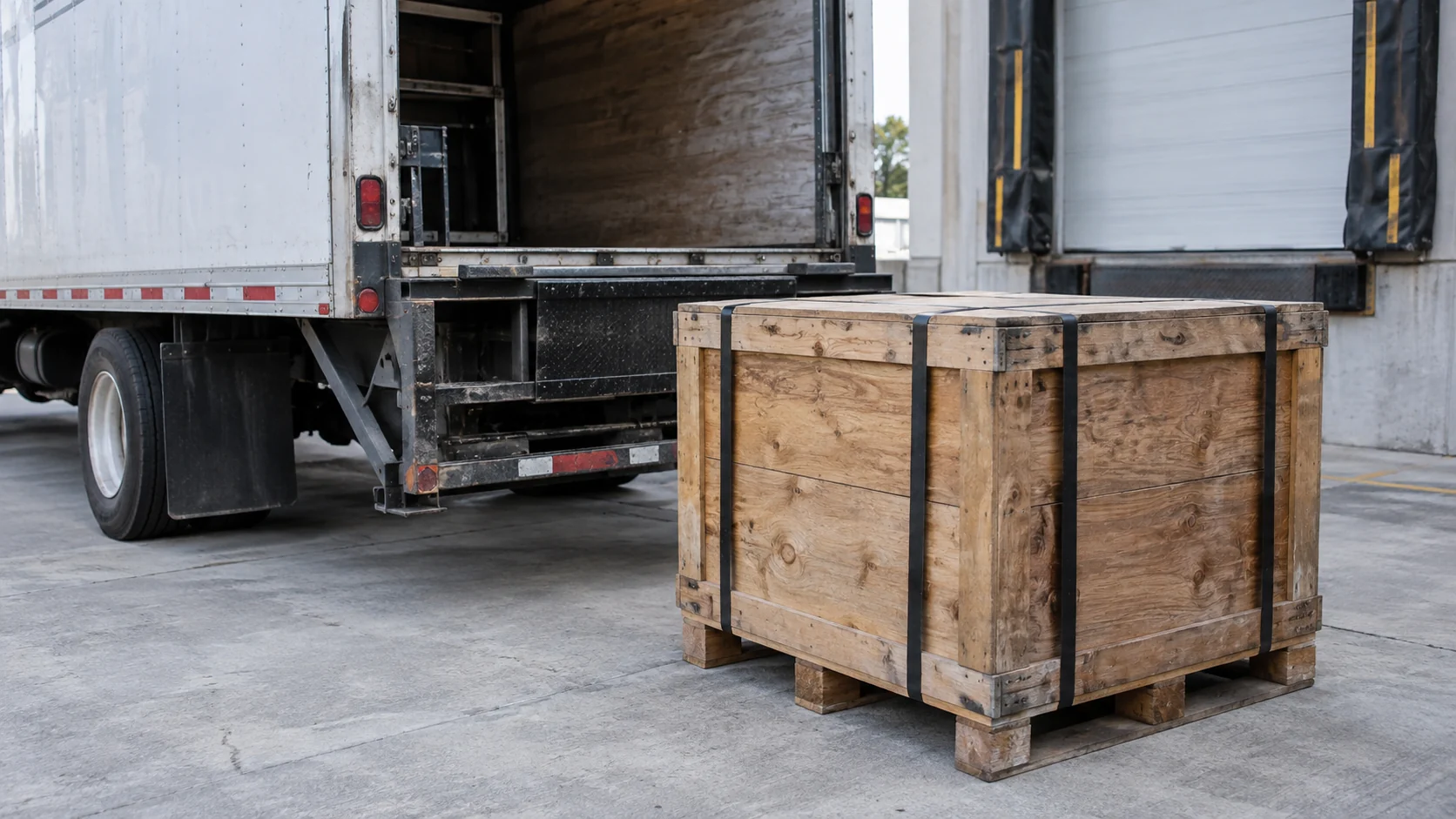
Confirm the current price, stated availability, contents, delivery terms, and any product-specific restrictions. Look at the full project cost as well as the item price. Read the current shipping and returns pages while you still have time to resolve a concern.
Turn uncertainty into a focused enquiry
Send the exact product link, your vehicle or equipment details, and the identifiers you are comparing. Ask one clear question for each unresolved point. Written clarification is easier to use than a vague request to confirm that a part works.
Start with the fitment guide, then browse the catalog. Keep a short record of confirmed facts and outstanding questions so your installer can review the same information before the order is placed.
 Start with the right reference
 Plan the arrival
Always confirm the exact model, part number, condition and included components on the product listing. For a compatibility question, contact TorqueHarbor before ordering.