
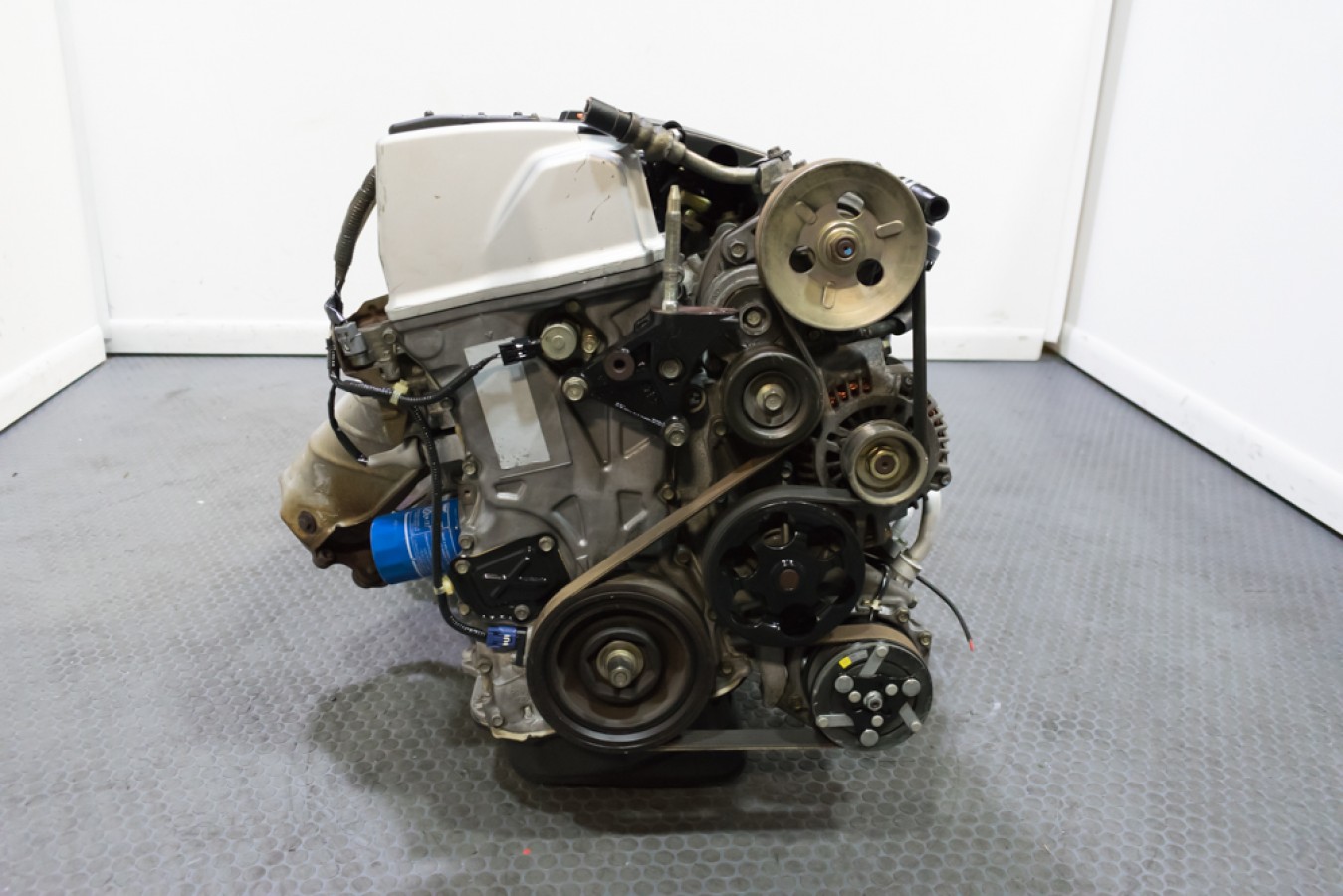
Condition labels help organize a search, but a good buying decision depends on the evidence for the particular part. Used, refurbished, and new offers can have different histories, preparation, and terms. Compare what is actually stated and documented rather than assuming that a label answers every question.
When comparing several used units, keep each inspection report tied to its own listing or serial number. Evidence for another example of the same model cannot establish the condition of the unit you will receive.
Read the exact condition statement
Start with the listing’s declared condition and disclosed faults. Then look for supporting details: the unit’s history, an identified test, work performed, or a specific inspection record. If the condition is missing or unclear, leave it unresolved and ask for confirmation. A clean surface or freshly painted casing does not establish internal condition.
Keep cosmetic appearance separate from function. A photograph may show an external mark clearly while telling you little about wear inside an assembly. Equally, a broad statement about a product range may not describe the individual used part being offered.
Ask what refurbishment involved
If an offer describes a part as refurbished or rebuilt, ask for the scope of the work. Useful questions include which components were inspected, replaced, adjusted, or tested, and what records are available. Do not infer a complete overhaul from a short label or from the price.
Record the answer alongside the exact product link. This makes it possible to compare two offers without treating different preparation processes as if they were identical.
Compare the package and the terms
Check whether each price covers the same components. An assembly with accessories and a bare component may serve different needs. Our engine package guide shows how to create an included-parts table.
Read the written returns and any product-specific warranty terms that actually apply. A manufacturer’s new-vehicle warranty is not evidence that a separately sold replacement part carries that coverage. For Toyota owners, Toyota’s manuals and warranty portal is a separate reference for vehicle documentation; it does not establish TorqueHarbor’s terms for an individual listing.
Include the installed cost
Ask the installer what preparation and supporting work the selected part requires. Compare delivery, labor, service items, and any confirmed setup cost alongside the purchase price. The right comparison is between documented options for the same repair, not just between three labels.
Browse the catalog, read the current returns policy, and use the listing checklist to record unanswered questions. Clear evidence and a confirmed application give you a stronger basis for choosing than assumptions about what a condition word must mean.
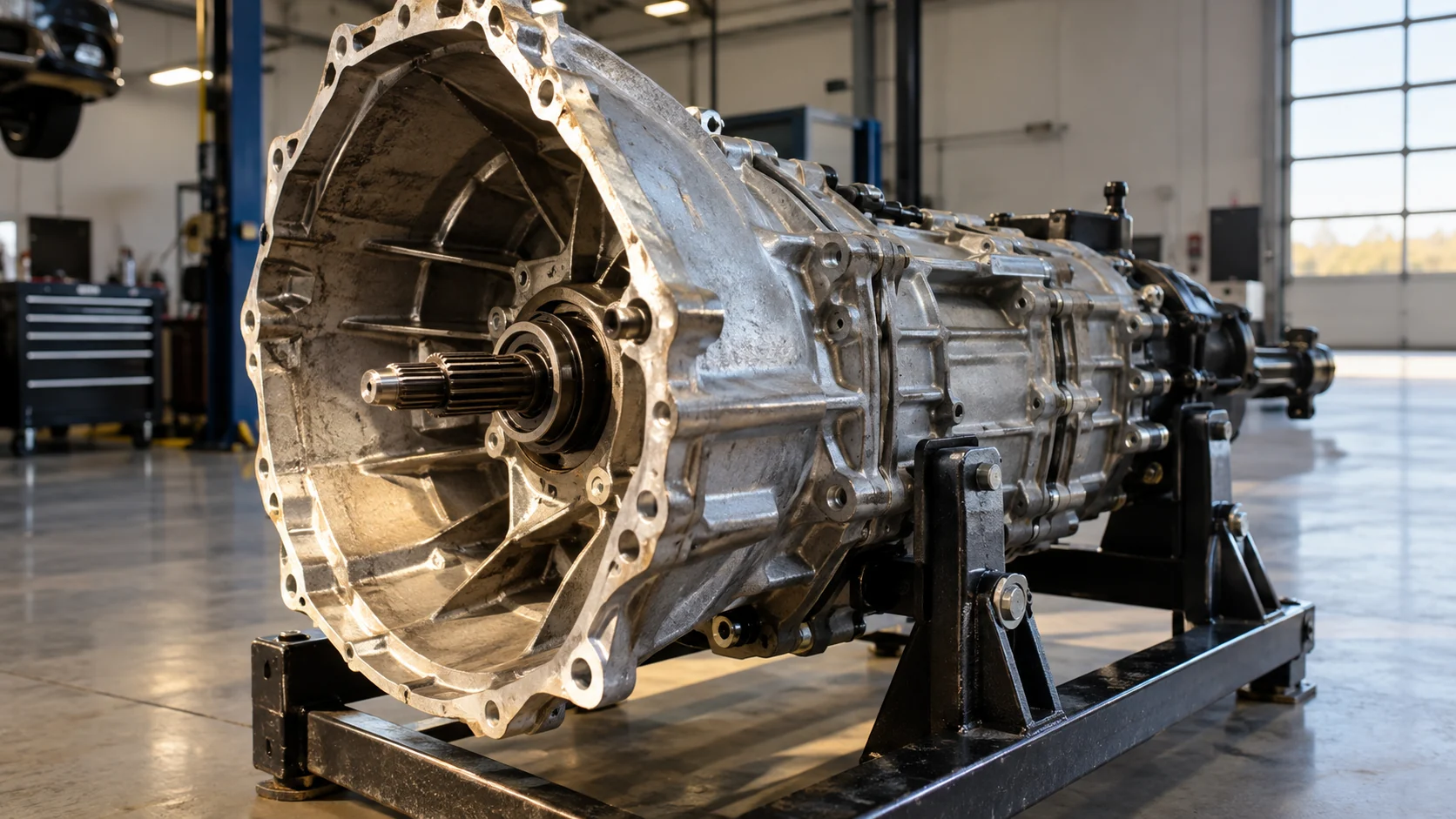 Start with the right reference
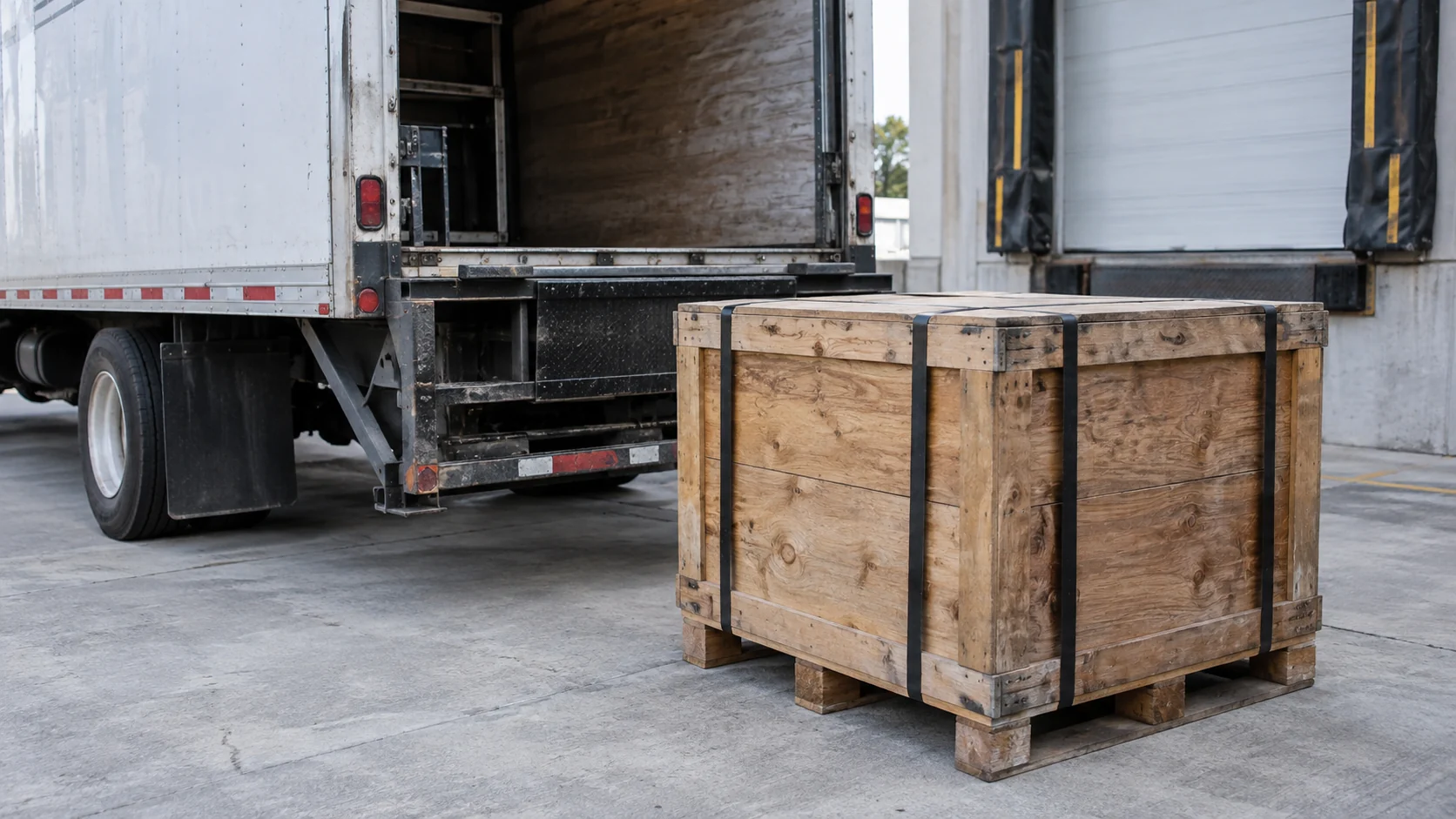 Plan the arrival
Always confirm the exact model, part number, condition and included components on the product listing. For a compatibility question, contact TorqueHarbor before ordering.