
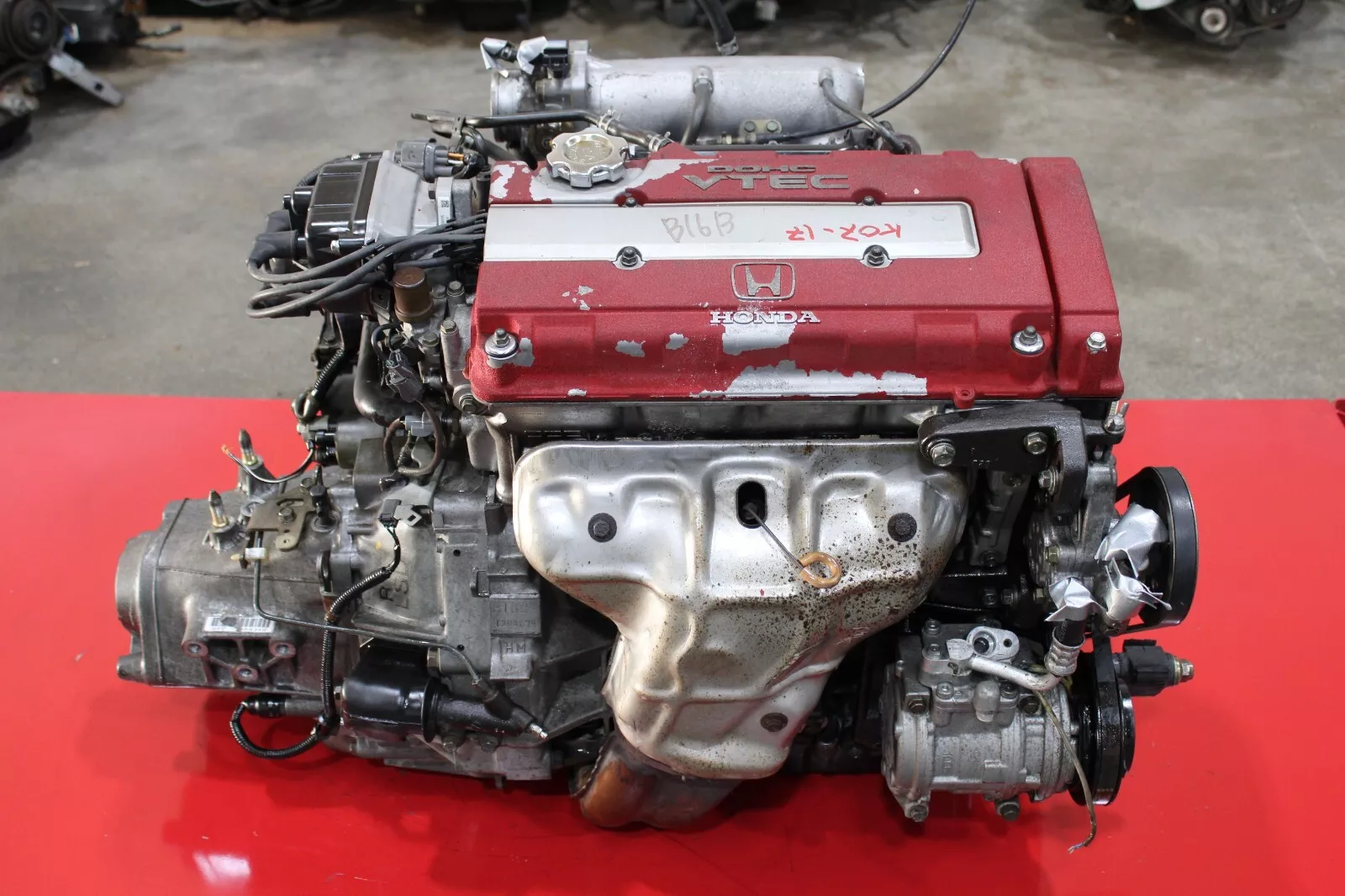
A VIN identifies a vehicle; an engine code describes an engine designation. Both can help you research a replacement, but neither should be treated as a universal fitment promise. The most useful approach is to build a small identification record and compare it with the specific engine listing and your installer’s requirements.
When a workshop proposes a substitute designation, ask it to record the relevant differences and the basis for acceptance. Keep that explanation with the proposed listing so the final order follows the reviewed configuration.
Use the VIN to establish the vehicle
Copy the VIN carefully from the vehicle or its documents. The official NHTSA decoder provides manufacturer-reported information encoded in supported VINs. Review the returned details and resolve any mismatch with the actual vehicle before searching for parts. An incomplete result needs further checking rather than an assumption.
Keep the model year, configuration, market, and available production information beside that record. A registration year or a short model badge may not provide enough detail to distinguish the assembly you need.
Read the engine’s own identification
Photograph the markings or label on the existing engine and ask your installer which identifiers matter for the replacement. Record them exactly, including suffixes. If the engine was previously changed, explain that history: the vehicle’s original specification and the assembly currently installed may differ.
Compare the seller’s stated engine code with the actual identification shown in the listing. If the photographs do not make the code clear, ask for clarification. Similar names or capacities can be useful search terms without being sufficient evidence of interchangeability.
Check the surrounding configuration
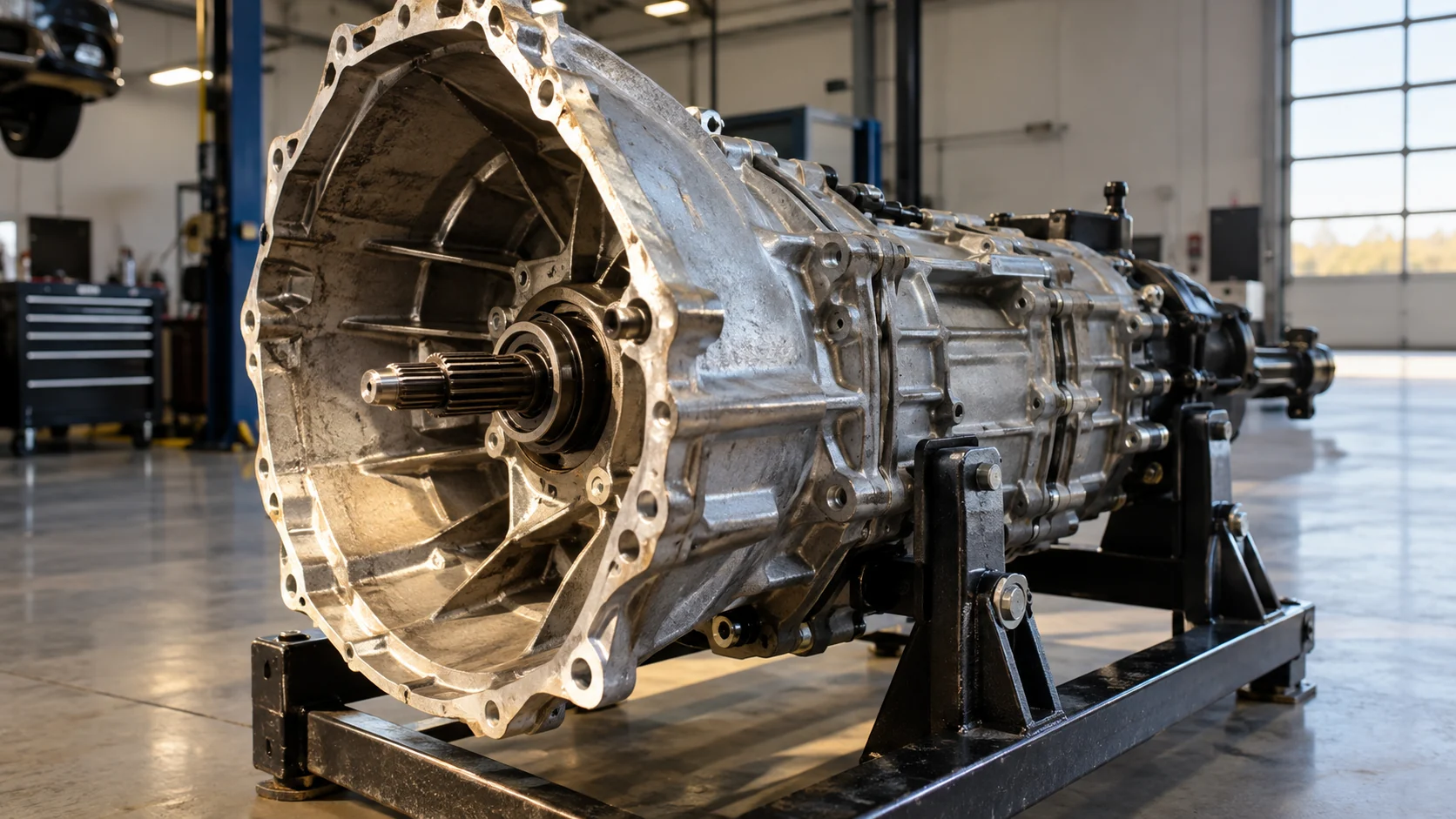
Ask the installer to confirm the requirements around the assembly, including the transmission connection, mounting arrangement, electronics, and components intended for transfer. The purpose is to identify differences before purchase, not to assume every engine with a shared code arrives in the same configuration.
A useful enquiry includes the VIN, the existing engine’s identifiers, the proposed product link, and a clear description of whether the project is a direct replacement or a conversion. Read the fitment guide and listing review checklist before sending that enquiry.
Keep a record of the final match
Save the listing and any written clarification together. Note exactly which identification details were matched and which accessories must be retained from the original vehicle. Keep open questions visible rather than treating silence as confirmation.
Once identification is clear, use the used-engine buying checklist to review condition, contents, delivery, and budget. You can then compare the engine catalog using the correct terms instead of relying on a broad model-name search.
How do I know what engine I have?
Start with the full vehicle VIN and an official decoder, then compare the result with the engine label or stamped identification on the vehicle. Record the engine model, displacement and any code suffix shown. If the engine has been replaced before, the VIN describes the vehicle’s original identity and may not describe the installed assembly.
Can I find the engine code in a VIN number?
A VIN lookup can return manufacturer-reported engine information, but the information available varies. Treat an engine designation in the decoded result as an identification clue, then confirm it against the physical engine and manufacturer information. There is no single engine-code character that can be applied to every vehicle without the correct decoding reference.
What is an engine code?
An engine code identifies an engine type or family in the manufacturer’s system. It is different from the vehicle’s full VIN and from a seller’s stock number. Use the exact code, including suffixes, when comparing replacement engines.
 Start with the right reference
 Plan the arrival
Always confirm the exact model, part number, condition and included components on the product listing. For a compatibility question, contact TorqueHarbor before ordering.