
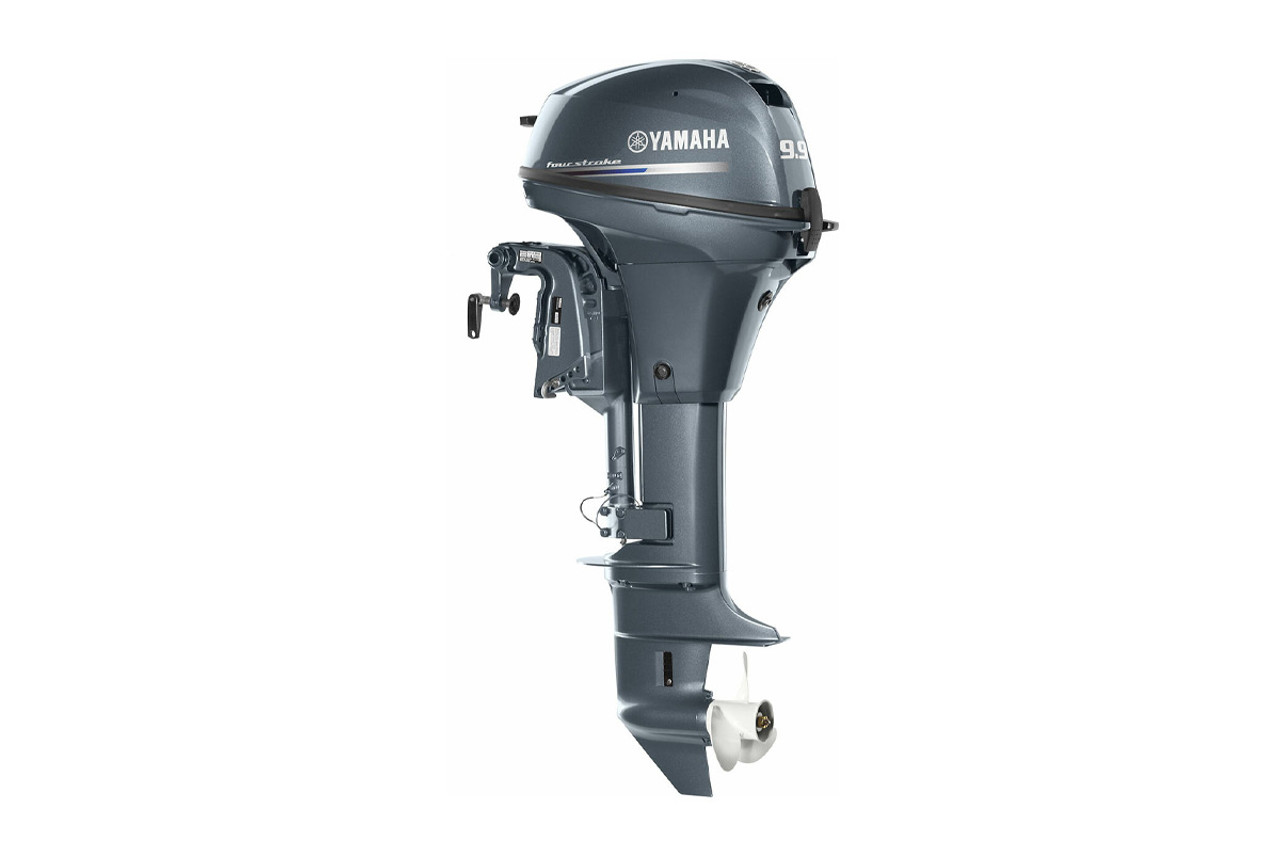
A published outboard weight is only useful when you know what it includes. Before replacing an engine, compare the exact configurations on the same basis and have the boat’s suitability assessed. The motor’s advertised horsepower is not a substitute for checking the installation and its weight.
Find the definition behind the number
Record the source of each weight figure and the model it describes. Does it refer to a particular shaft length or the lightest configuration? Which fluids, propeller or equipment are excluded? If the specification does not say, ask. Do not silently compare an engine-only figure with a complete package.
Build an installed-equipment list
- The exact engine configuration.
- Propeller and any installation hardware.
- Required battery or batteries and their mounting equipment.
- Controls, steering components and associated hardware.
- Fuel equipment or electric-system components, as applicable.
- Equipment being removed as part of the replacement.
This is an information checklist, not a structural calculation. Some equipment sits away from the transom, and its position matters as well as its mass. Have the overall installation assessed by a qualified marine professional.
Compare the change, not two isolated engines
An illustrative worksheet might show an old engine and associated equipment being removed, followed by the replacement engine and newly required equipment being added. Keep each item on its own line. Use measured or documented values and leave unknown values unresolved. Do not insert a guessed battery or rigging weight just to complete the total.
The result identifies questions for the installer. It does not prove that a boat can accept the replacement, and a lower total does not automatically establish compatibility.
Inspect the boat before committing
Mercury’s repower guidance calls for assessment of the hull and transom, as well as the new engine’s weight and performance relative to the existing setup. It also treats steering, controls and electrical equipment as part of the project. Resolve structural concerns before paying for an engine intended for that installation.
Keep the quote tied to the exact configuration
Ask the installer to identify the model, shaft length and supporting equipment in writing. If a different engine is substituted, revisit the comparison. Even a familiar family name can conceal a configuration change.
Continue with our controls and rigging guide and repower budget checklist. For electric systems, also check battery and charging requirements. Browse outboard listings once the installation requirements are clear.
Sources and further reading
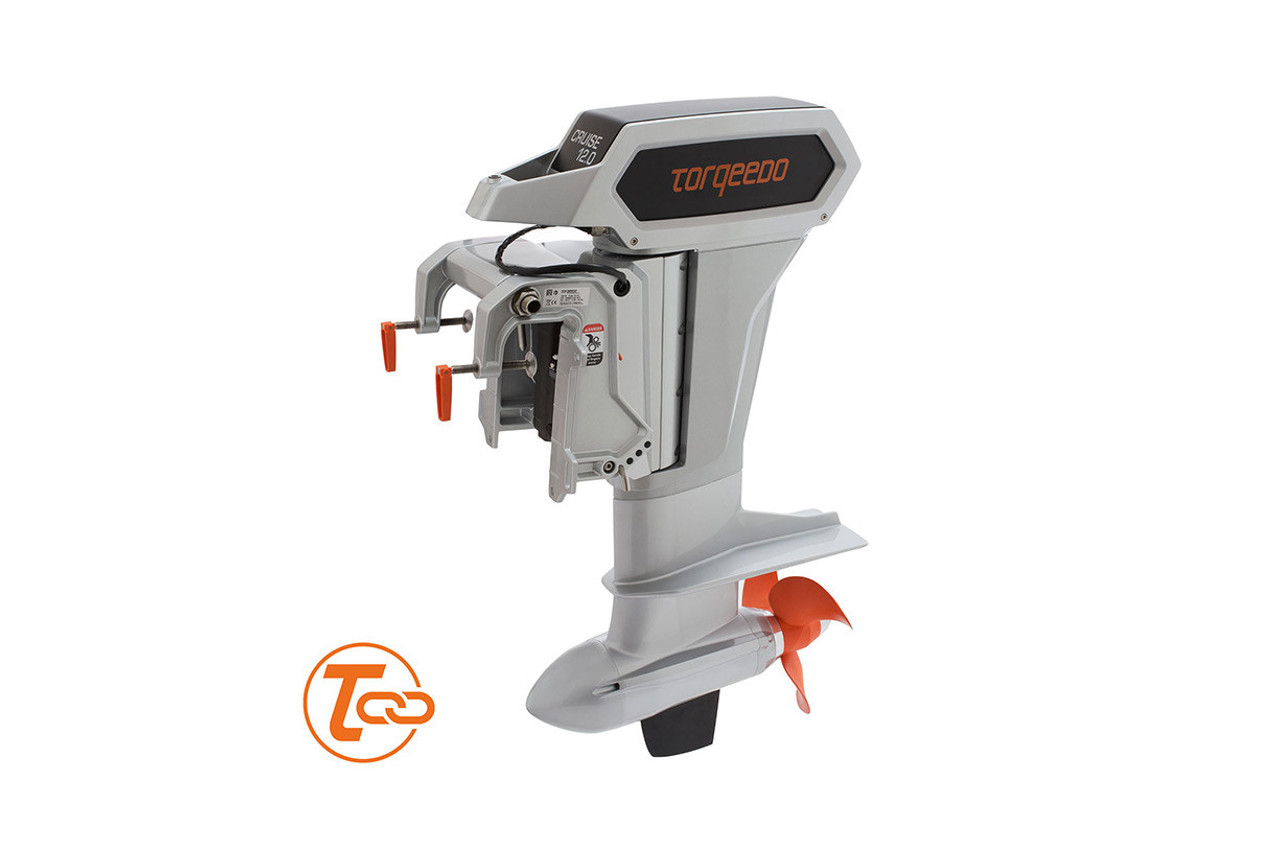 The whole system matters
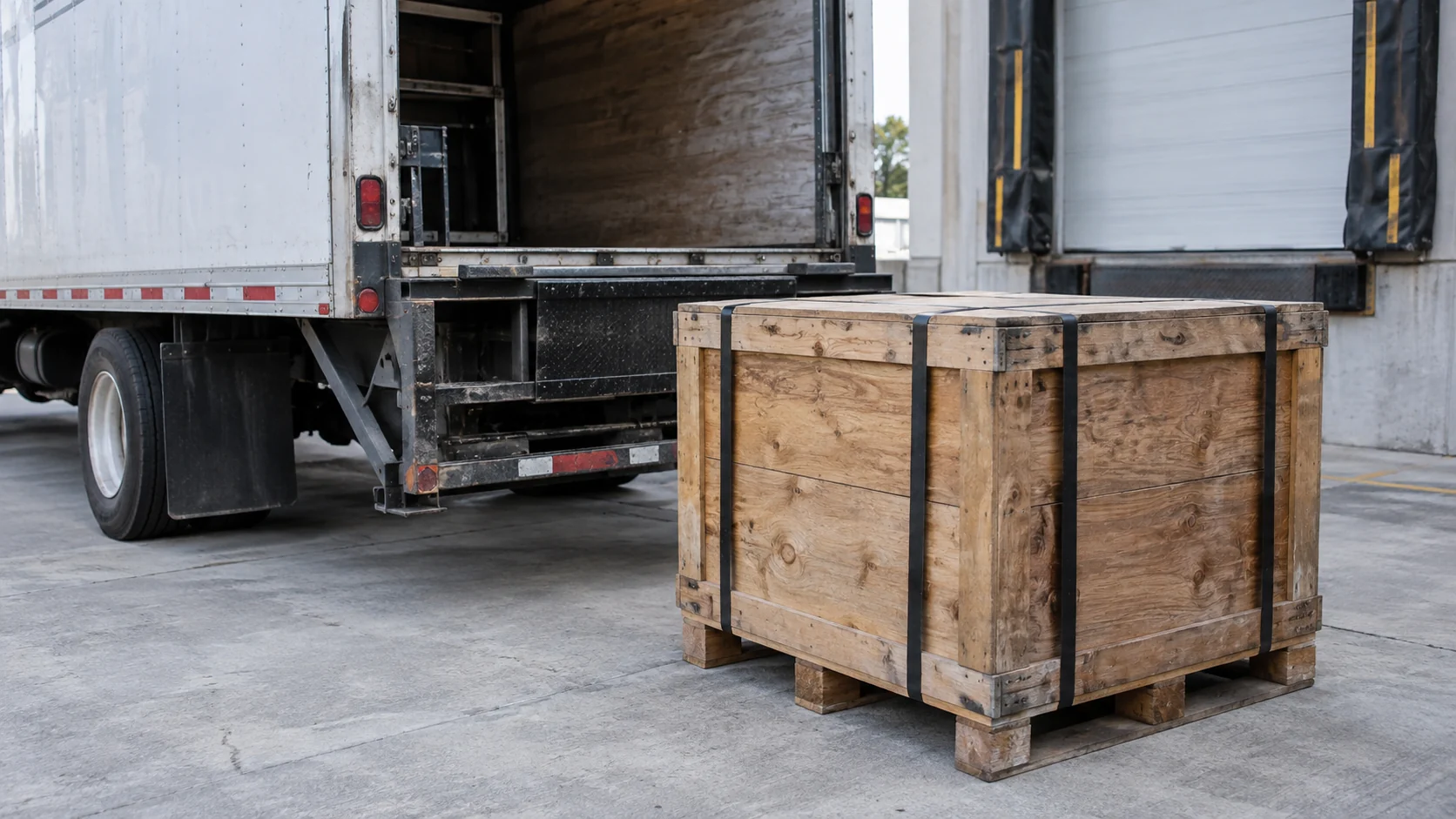 Plan the arrival
Always confirm the exact model, part number, condition and included components on the product listing. For a compatibility question, contact TorqueHarbor before ordering.