
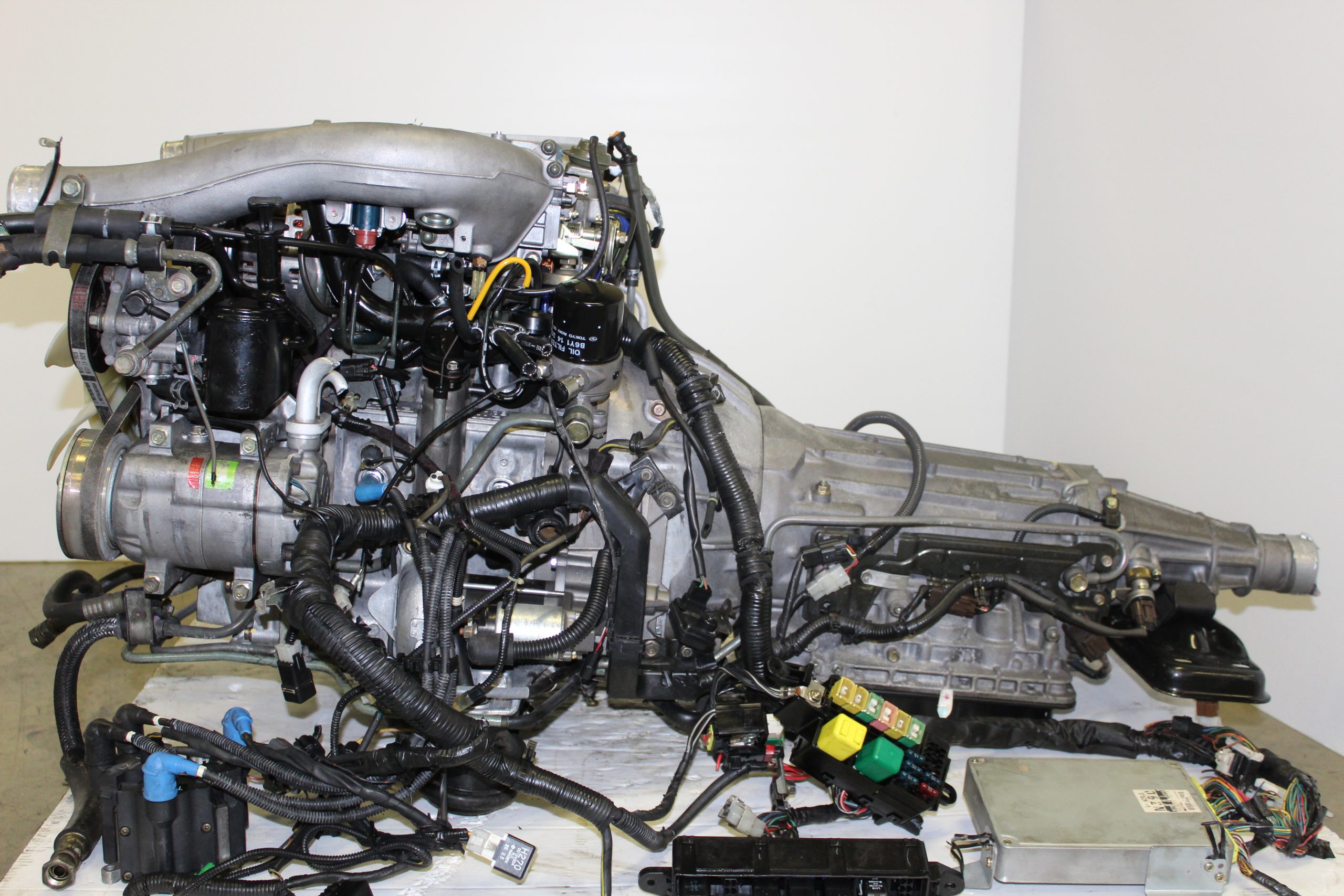
Engine listings often use terms such as complete engine, long block, and engine assembly. Those words help describe an offer, but they do not replace an itemized description. Two similarly named packages may leave your installer with different parts to source, transfer, or inspect. Compare the actual contents before comparing the price.
Turn the package name into a component list
Start a simple table with three columns: included with this listing, transferred from your vehicle, and still required. Ask your installer to fill it in against the advertised assembly. Relevant components might include manifolds, sensors, ignition parts, wiring, engine control modules, brackets, and accessories. Their presence must be confirmed in the particular offer.
A long-block label commonly describes an assembled core engine, while a complete-engine label suggests a broader package. Neither label alone settles every component boundary. If a listing does not say whether an item is included, request clarification before counting it in your budget.
Read the photographs alongside the text
Look through all images and compare them with the written inventory. Identify components that appear attached and items that appear disconnected or absent. Photographs are useful evidence, but a visible component should not override an explicit exclusion. If text and images disagree, save the question for the seller rather than deciding which one must be right.
Check identification at the same time. Our engine code and VIN guide explains why the vehicle details and the replacement assembly both belong in the fitment conversation.
Calculate the cost of completing each option
Ask for an installation estimate based on the specific package. An assembly with fewer accessories may still suit a project when the original components are suitable for reuse. A more complete package may reduce sourcing work, but it should not be assumed to eliminate inspection, setup, or replacement service items.
Include delivery, installation labor, consumables, and any confirmed electronics work in the comparison. Record uncertainty separately so that an unpriced requirement does not disappear from the decision. The project budget guide provides a structure for this calculation.
Use documentation for the vehicle you are repairing
For Toyota applications, Toyota’s manuals portal provides vehicle-specific owner documentation. Installation planning may also require the appropriate service information and a qualified workshop’s assessment.
Browse the engine catalog with the component table beside you. Before ordering, confirm the exact package, the identifiers, and the outstanding work. That written comparison is more useful than assuming the word complete means ready to install in every vehicle.
Long block vs complete engine: which costs less to install?
Compare the installed cost of the exact offers, not only their advertised prices. Put the supplied components, parts to transfer, missing parts, labor and setup costs beside each other. A long block can suit a repair when reusable accessories are already available; a more complete engine may reduce separate sourcing. Neither option is automatically cheaper for every project.
When comparing crate engines, keep the manufacturer part number with the component checklist so specifications from different packages are not mixed together.
 Start with the right reference
 Plan the arrival
Always confirm the exact model, part number, condition and included components on the product listing. For a compatibility question, contact TorqueHarbor before ordering.