
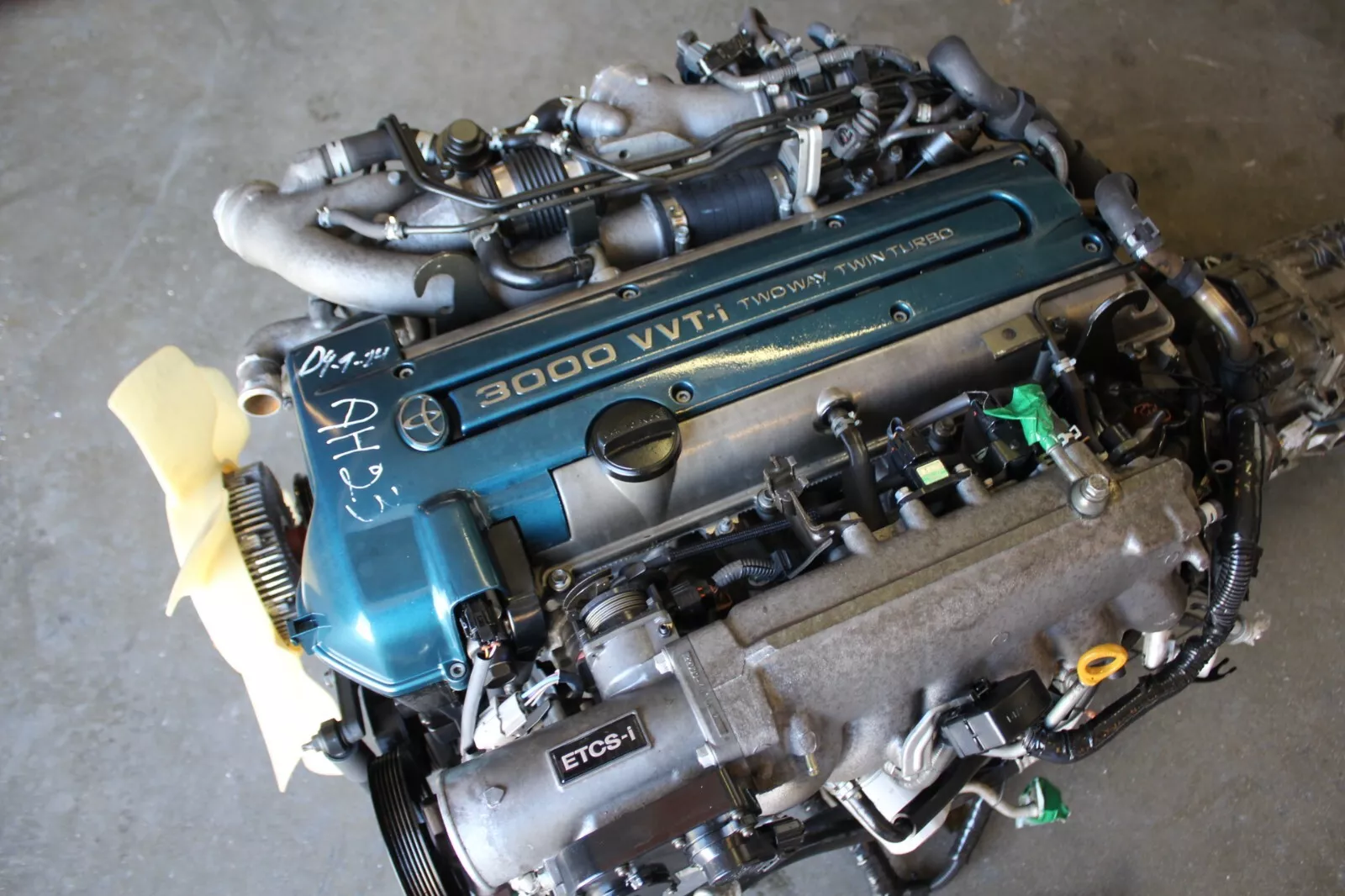
For most buyers shopping a new motor today, the 2 stroke vs 4 stroke outboard question comes down to this: a four-stroke is quieter, smoother at idle, easier on fuel and the only type most dealers still sell new in the US, while a two-stroke is lighter for its power and mechanically simpler. If you are buying used or repowering an older hull that was built around a lighter engine, a direct-injection two-stroke can still make sense. For everyone else, a four-stroke is usually the safer default.
That is the short answer. The rest of this article explains why, so you can match the engine type to your boat, your budget and how you actually use it.
How a two-stroke and a four-stroke outboard differ
A two-stroke engine fires once every crankshaft revolution. Intake and exhaust happen through ports in the cylinder wall, so there are no valves, camshafts or timing belts. Fewer parts means less weight and a compact powerhead. Lubrication comes from oil mixed into the fuel, either premixed in the tank or metered in by an oil-injection system.
A four-stroke fires once every two revolutions and uses valves, a valvetrain and a crankcase full of oil, just like a car engine. That adds parts and weight, but it also means cleaner combustion, no oil burned with the fuel and much smoother running at low speed.
Carbureted vs direct-injection two-strokes
Not all two-strokes are the same. Older carbureted two-strokes are simple and light, but they lose some unburned fuel out the exhaust and smoke at idle. Direct-injection designs such as Evinrude E-TEC and Mercury OptiMax spray fuel straight into the cylinder after the exhaust port closes. That cut emissions and fuel use enough to keep two-strokes in the game for years after older designs faded from US showrooms. EPA emission standards for marine engines are the main reason the market shifted; the US Environmental Protection Agency publishes the current rules if you want the details.
2 stroke vs 4 stroke outboard: side-by-side
| Factor | Two-stroke | Four-stroke |
|---|---|---|
| Weight for the horsepower | Lighter, often noticeably so | Heavier, especially in mid and high horsepower |
| Low-end response | Strong, quick hole shot | Smooth; modern models are much improved |
| Idle and trolling | Louder, can smoke (carbureted) | Quiet, very smooth |
| Fuel use | Higher on carbureted; DI models closer to four-stroke | Generally lower, especially at cruise |
| Oil | Two-stroke oil burned with fuel | Crankcase oil, changed on a schedule |
| Routine maintenance | Fewer moving parts | Oil and filter changes, valve checks on some models |
| New-model availability (US) | Limited | Wide across every brand |
Treat this as a general picture. Exact weight, fuel burn and output vary by model, so always confirm figures on the manufacturer spec sheet or the product listing before you compare two motors.
When a two-stroke still makes sense
There are honest reasons to choose a two-stroke:
- Transom weight limits. Older boats and small aluminum hulls were often designed around lighter two-stroke engines. Hanging a heavier four-stroke of the same horsepower can make the stern sit low or change how the boat handles. Our guide to outboard dry weight vs installed weight walks through how to check this.
- Performance boats. Bass and flats boats were long built around lightweight, high-output two-strokes like the Mercury OptiMax Pro XS 250 HP two-stroke, valued for hole shot and top-end.
- Like-for-like repower. If your rigging, controls and gauges were set up for a specific two-stroke family, staying with that family can reduce rigging changes.
- Budget used buys. Used two-strokes are often priced below comparable four-strokes. Just budget for parts support.
One caution on parts: BRP ended Evinrude outboard production in 2020. Existing E-TEC motors such as the Evinrude E40DSL E-TEC are still widely used, but ask your local shop about parts and dealer service before you commit.
When a four-stroke is the better buy
For the typical family runabout, pontoon, center console or fishing skiff, a four-stroke wins on day-to-day comfort. You can talk at idle. You do not smell exhaust when trolling with the wind behind you. You do not have to keep two-stroke oil on board. Fuel economy at cruise is usually better, which matters on long runs.
Four-strokes also dominate new-model lineups. Mercury FourStroke, Yamaha F-series, Suzuki DF, Tohatsu MFS and Honda BF models cover everything from portable kickers to big multi-engine rigs. Models like the Yamaha F60LB or the Mercury 115 EXLPT Command Thrust FourStroke are typical of what most repower buyers end up comparing. You can see Mercury’s current range on the Mercury Marine site.
One naming trap: Yamaha’s current V MAX SHO motors are four-strokes, even though the V MAX name was once used on two-strokes. Always read the engine type in the spec sheet, not just the model name.
Maintenance differences you will actually feel
Two-stroke owners keep oil topped up (or mix it), watch for fouled plugs on older carbureted motors, and should check that any oil-injection system is working. A failed oil supply can destroy a two-stroke quickly, so learn how your alarm works.
Four-stroke owners change engine oil and filter on a schedule, check the gearcase lube, and on some models adjust valves at set intervals. It is more routine work, but it is predictable. Both types need the same care for the lower unit, water pump impeller, anodes and fuel system. Ethanol fuel and long storage are hard on any carburetor or injector, so stabilize fuel before layup.
A quick way to decide
- Check the boat’s capacity plate for maximum horsepower and the transom’s weight tolerance.
- Decide how much time you spend idling and trolling vs running wide open.
- Confirm shaft length; see our outboard shaft length guide.
- Ask a local shop which engine families they service.
- If buying used, go through our used outboard buying checklist and ask for a compression test.
Shopping for your next outboard
If you have narrowed it down, compare models side by side in our outboard motors category or go straight to a brand, such as Mercury outboards. Read each listing carefully for model code, shaft length, start type and controls so the motor matches your boat.
Frequently asked questions
Is a 2-stroke outboard more powerful than a 4-stroke?
Not at the same rated horsepower. A 90 hp motor is rated at 90 hp either way. The two-stroke usually feels punchier off the line and weighs less, which can make the boat feel quicker, but the rated output at the prop shaft is what the rating describes.
Can I still buy a new 2-stroke outboard in the US?
Choices are limited. Most new outboards sold in the US are four-strokes, and many older two-stroke designs were retired as emission standards tightened. Remaining new-old-stock and used direct-injection two-strokes are the main options, so check the listing and ask about parts support.
Do 4-stroke outboards last longer than 2-strokes?
Both can run for many seasons with good care. Longevity depends far more on maintenance, flushing after salt water, storage and how hard the motor is run than on engine type alone.
Is it worth replacing a 2-stroke with a 4-stroke of the same horsepower?
Often yes, for quieter running and better economy, but check the added weight on your transom first and plan for new controls, gauges or rigging, since those costs add up beyond the motor price.
What oil does a 2-stroke outboard use?
Use a two-stroke marine oil that meets the rating your engine manufacturer specifies, commonly NMMA TC-W3. Follow the owner’s manual for the correct mix ratio or oil-injection setting.
 The whole system matters
 Plan the arrival
Always confirm the exact model, part number, condition and included components on the product listing. For a compatibility question, contact TorqueHarbor before ordering.