
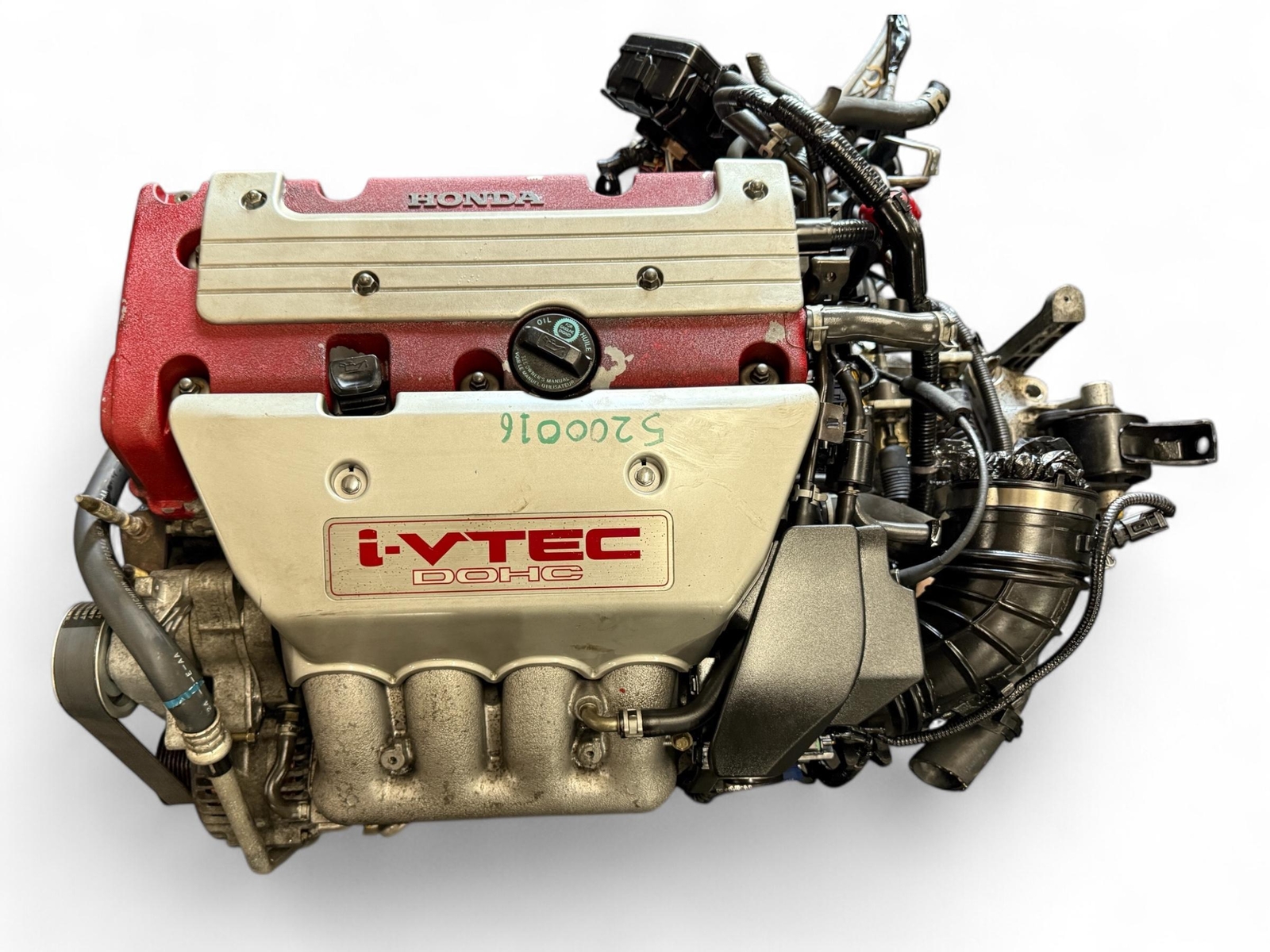
The price of an engine is one line in a project budget. The useful number is the cost of getting the intended vehicle back into service with the work properly planned. Whether you are replacing an existing assembly or considering a conversion, write down the scope before choosing a package.
Define the project in one sentence
State the vehicle, the intended engine, and the intended use. Say clearly whether this is a like-for-like replacement or a change of configuration. List modifications already present. This gives the installer a shared starting point and prevents quotes from describing different jobs.
For a conversion, have the relevant fitment, registration, and emissions requirements checked before buying. Requirements depend on the vehicle and jurisdiction; a parts listing does not establish approval for a proposed road-going conversion.
Build the budget in separate lines
- Engine or assembly price, based on the actual listing.
- Delivery and any receiving arrangements.
- Installation labor and agreed diagnostic work.
- Supporting parts, service items, and consumables specified by the installer.
- Confirmed wiring, control-system, fabrication, or setup work.
- Applicable taxes or import costs for the destination.
Keep a source beside each figure: a quote, a checkout estimate, or an allowance awaiting confirmation. Do not turn an unknown into a zero. An open item is easier to manage when it remains visible.
Compare packages on an equal basis
For each engine offer, record which components are included and which must be transferred or purchased separately. A lower-priced assembly can require more supporting work, while a broader package still needs a fitment check. Use the engine package comparison guide to organize that review.
Create a shared project parts list with the workshop. Assign responsibility for each item so that both buyer and installer know who is sourcing it and when it is needed.
Leave room for decisions after inspection
Ask the installer which costs can be confirmed now and which depend on inspection. Agree how additional work will be authorized. A contingency is a budgeting choice, not a promise that a particular percentage will cover every project.
For Toyota projects, Toyota’s official service-information portal can support application-specific planning by the workshop. Use the appropriate information for other makes.
Keep the timeline alongside the numbers
Read the delivery terms, confirm workshop availability, and identify long-lead components before choosing an installation date. Compare the engine listings only after the requirements are clear. The resulting budget should show a confirmed scope, an estimated total, and an honest list of decisions still to be resolved.
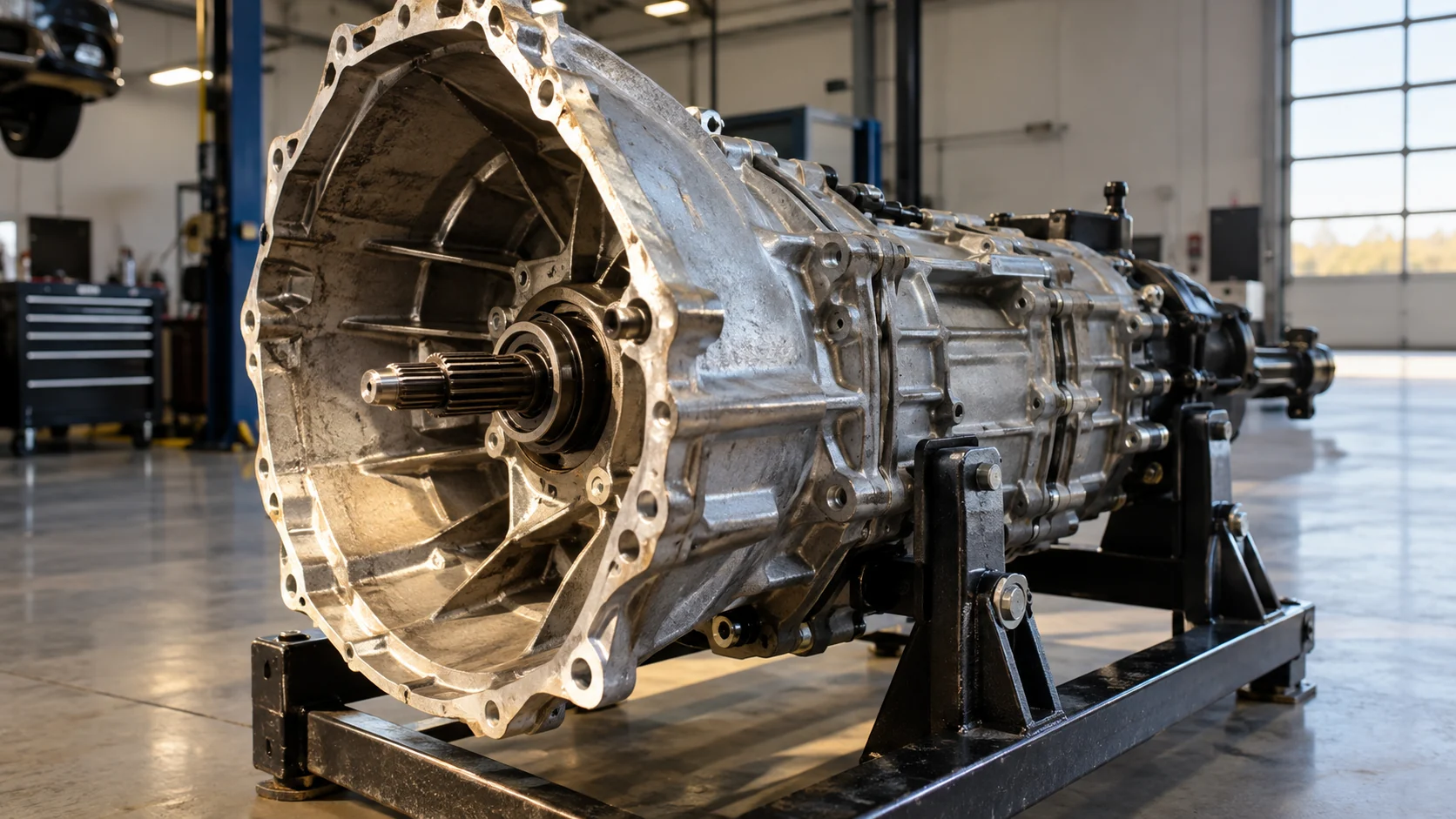 Start with the right reference
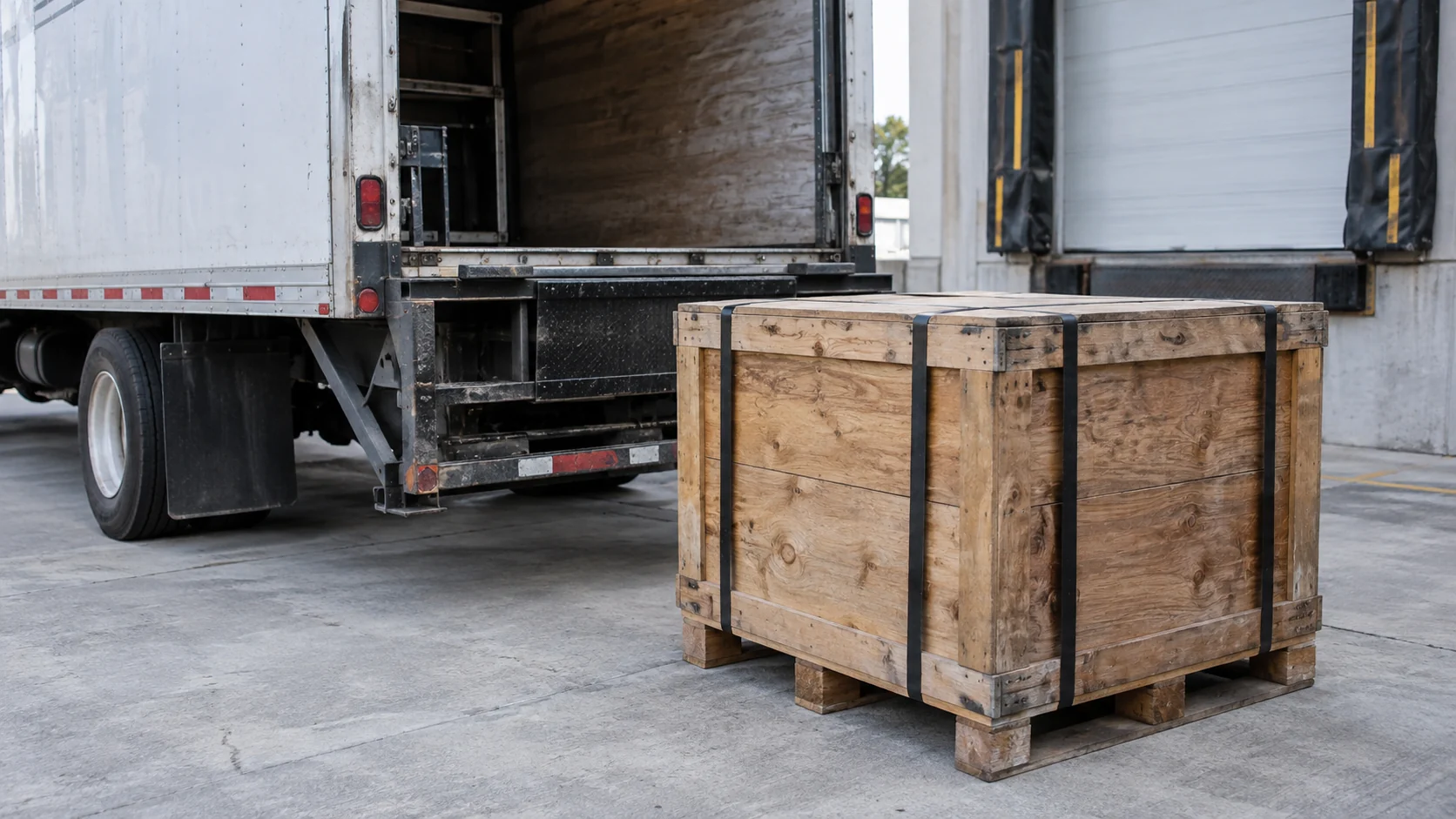 Plan the arrival
Always confirm the exact model, part number, condition and included components on the product listing. For a compatibility question, contact TorqueHarbor before ordering.