
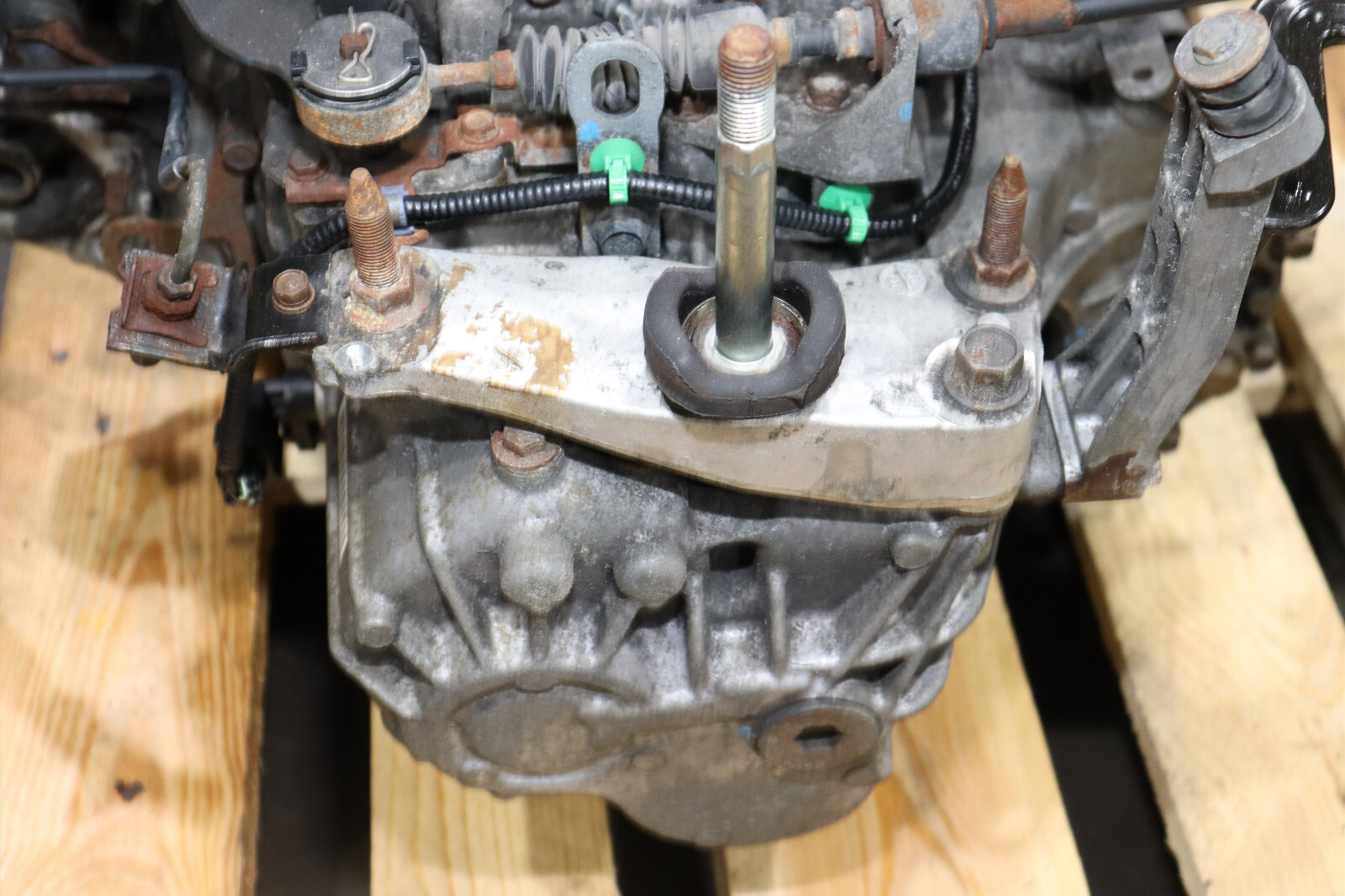
Choosing a manual transmission starts with a precise match to the project. A listing’s gear count and vehicle name can narrow the search, but they do not confirm every mechanical or electronic detail. Gather the existing transmission’s identifiers and ask the installer to review the proposed unit before placing an order.
If the offer is an alternative to your original gearbox, ask the workshop to record the expected changes separately. That avoids confusing an assembly that can be adapted with one selected for the existing installation.
Record what is already in the vehicle
Write down the VIN, engine designation, model year, and transmission code or part number where available. Photograph the identification area clearly. Include any modifications that affect the drivetrain. For a conversion, explain the intended engine and chassis combination rather than describing the project as an ordinary replacement.
The NHTSA VIN decoder can help establish vehicle details. The gearbox still needs its own fitment check against the manufacturer’s applicable information and the assembly being offered.
Ask the installer to review the connections
Create a project-specific checklist covering the engine connection, clutch arrangement, mounts, driveshaft or axle interfaces, shifter, and any electrical connections. Exact requirements vary, so the checklist should come from the actual vehicle and transmission rather than a general assumption about a model range.
Where a listing names a limited-slip differential or another particular specification, look for supporting identification or documentation. Do not infer that feature merely from a generic product photograph. Our guide to reading a parts listing helps separate a stated specification from an unanswered question.
Confirm which supporting parts are supplied
Record whether the offer includes the shifter, linkage, mounts, sensors, clutch components, or other accessories. Have the installer mark which existing parts can be assessed for reuse and which must be sourced separately. A transmission assembly and a complete conversion package are different purchasing requirements even when both could appear in the same search.
Review condition and delivery
Read the individual unit’s stated condition, known faults, and available inspection or operating evidence. If a listing does not provide a test result or history, do not assign one based on appearance. Ask focused questions that can be answered for that unit.
Allow for freight and safe unloading at the receiving workshop. Read the current delivery terms and returns policy before booking installation. Build the timeline around confirmed delivery information rather than an assumed arrival date.
Browse automotive parts and use the fitment guide to prepare your enquiry. Include the product link and identification photographs so that any clarification refers to the exact transmission you are considering.
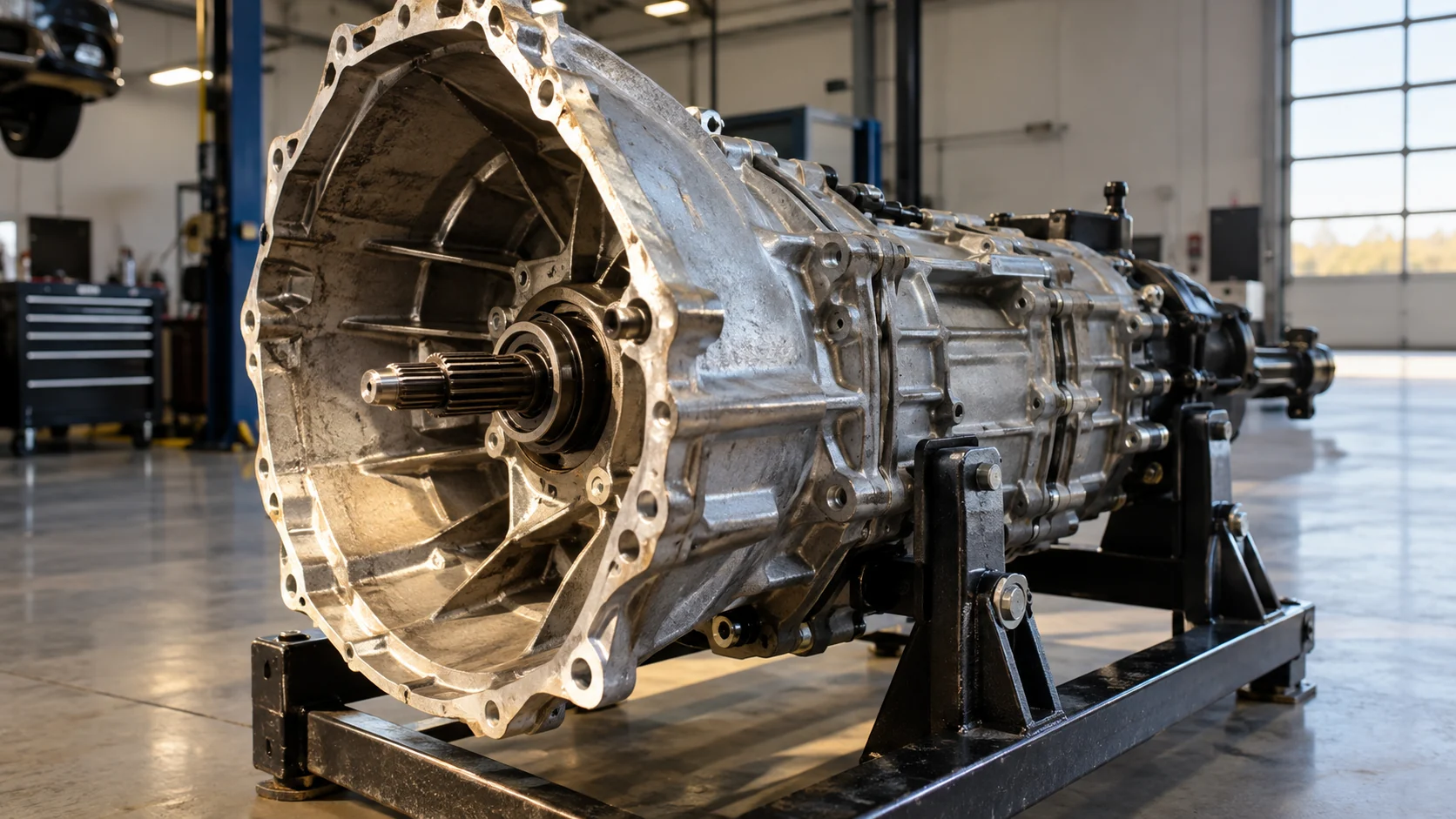 Start with the right reference
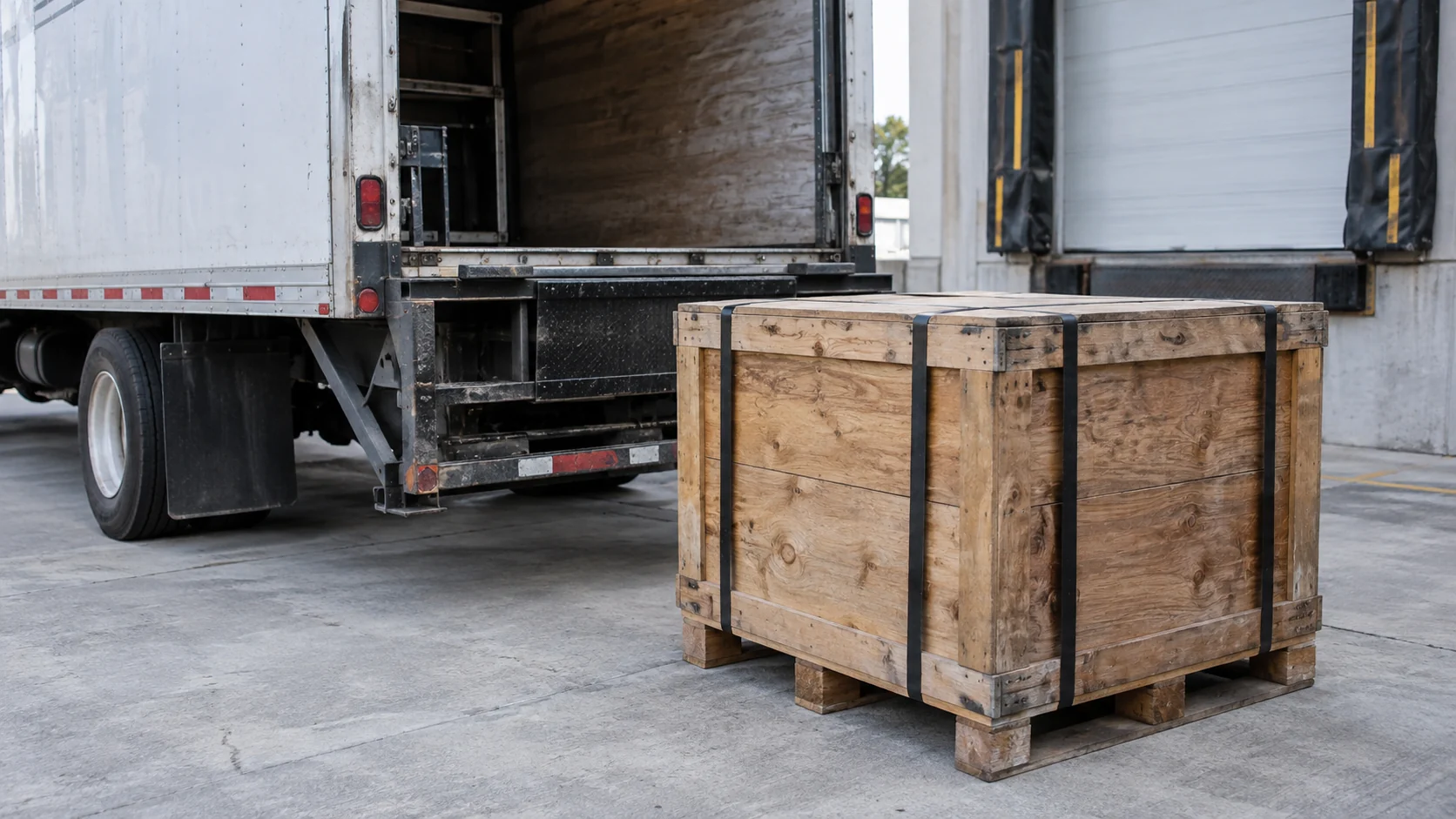 Plan the arrival
Always confirm the exact model, part number, condition and included components on the product listing. For a compatibility question, contact TorqueHarbor before ordering.