
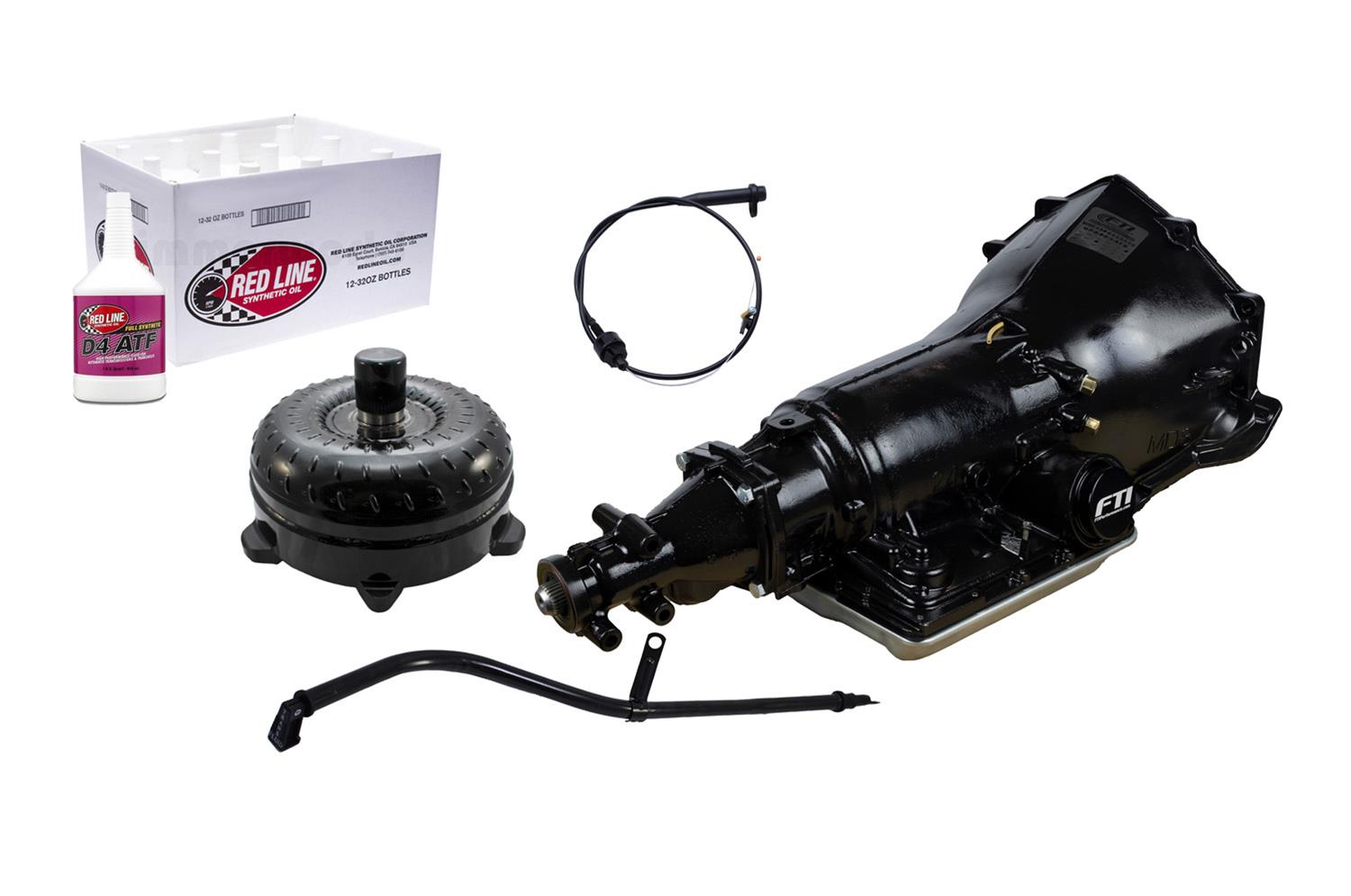
An automatic transmission purchase works best as part of a repair plan. The first step is a diagnosis and a precise identification of the required assembly. The next is understanding what the installation involves. A matching vehicle name in a listing is a useful lead, but it does not settle the whole project.
Confirm the repair requirement first
Ask a qualified workshop to document the fault and the recommended repair. Keep diagnostic findings with the estimate. This gives you a basis for comparing a replacement assembly with other repair options and helps avoid buying a major component before the cause of the problem is understood.
Request the existing transmission’s code or part number, the vehicle VIN, and any configuration information relevant to the replacement. A precise enquiry saves time when several units are advertised for a similar model or year range.
Match the actual assembly
Compare the proposed unit’s stated identifiers, application, and photographs with the workshop’s requirements. Ask the installer to check the relevant mechanical connections and control-system requirements. If the vehicle has been modified, include that information rather than relying only on its original build specification.
For Toyota applications, Toyota Technical Information System is an official service-information resource. Use the appropriate manufacturer information for your actual vehicle. General web discussions can suggest questions, but should not replace a verified match.
Define the installation scope
Ask for a written list of items included in the transmission offer and items covered by the workshop’s estimate. Clarify the status of associated components, fluids, seals, cooling-system work, and any programming or learning procedures the installer identifies as necessary. This is a planning list, not a claim that every replacement requires the same work.
Separate known costs from allowances. If the workshop needs to inspect a component before deciding whether it can be reused, leave that as an explicit pending item in the budget. Our project parts-list guide helps organize these dependencies.
Coordinate the receiving address and schedule
Confirm that the workshop can accept and unload the shipment. Review the store’s shipping terms, and arrange inspection of the delivered package before installation begins. Avoid committing to a fixed completion date before the assembly and any supporting parts have arrived.
Keep the listing, invoice, condition information, and written clarifications together. Read the returns policy before purchase. You can browse automotive parts and use the listing checklist to turn a promising search result into a properly checked shortlist.
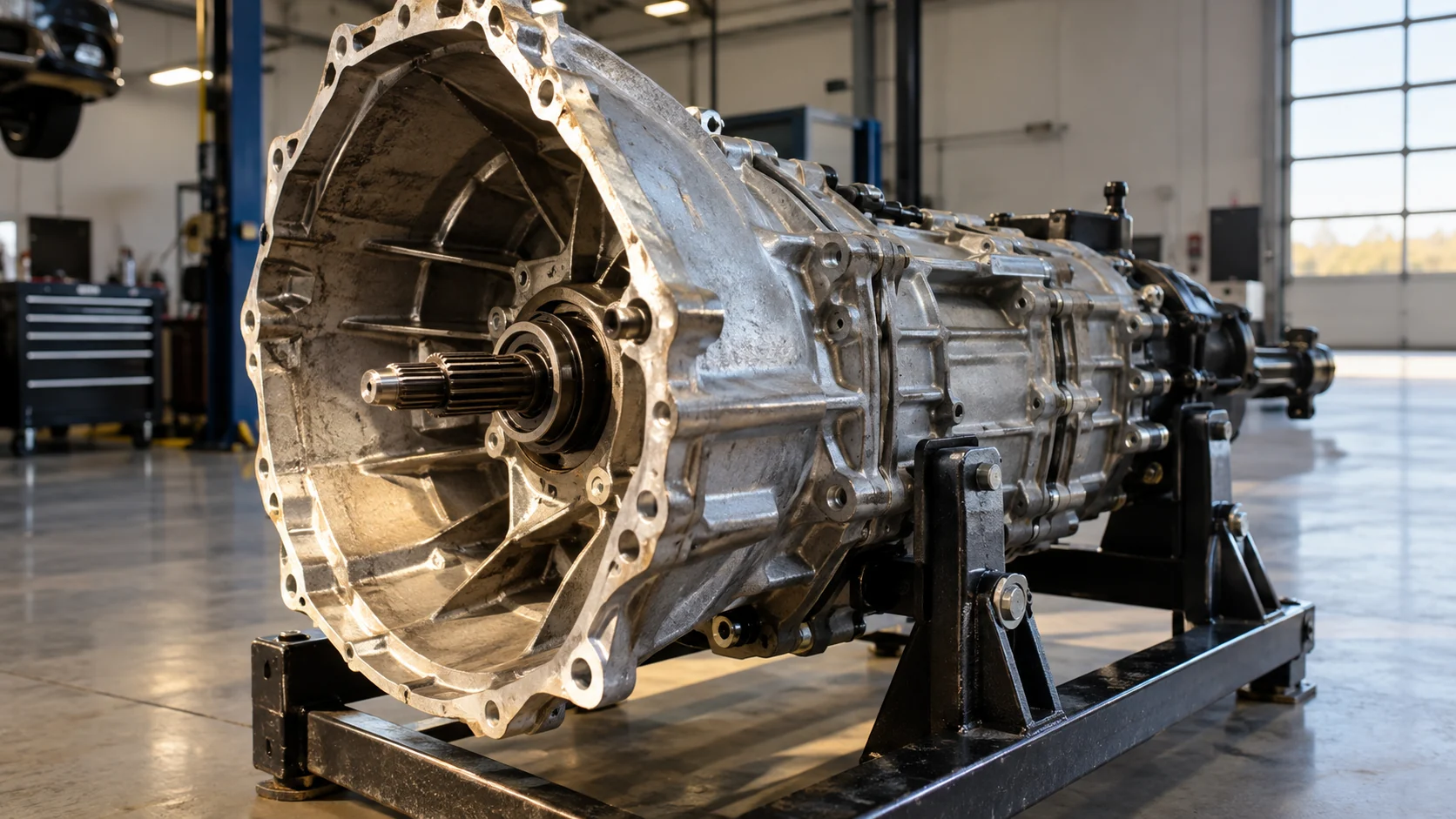 Start with the right reference
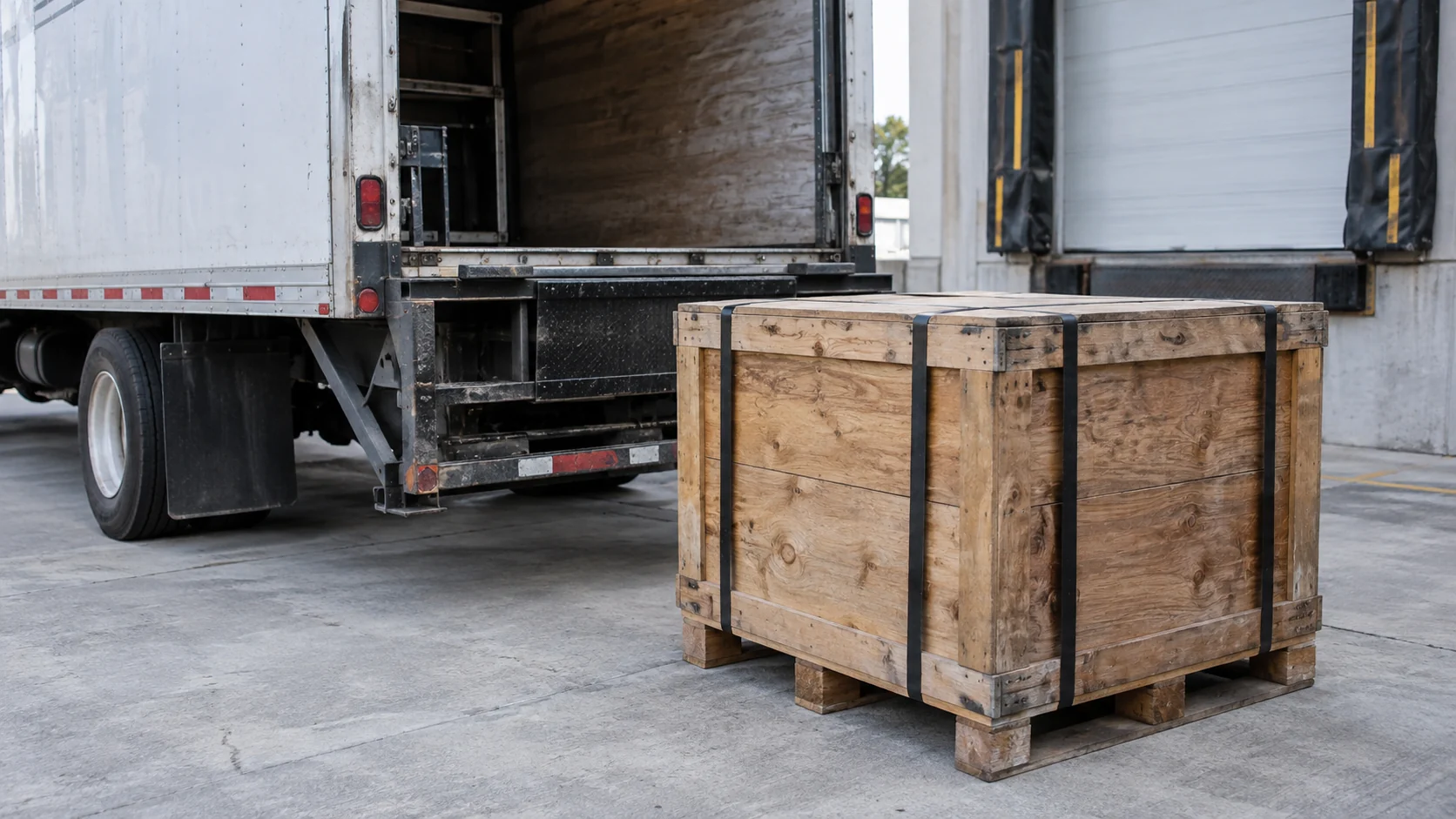 Plan the arrival
Always confirm the exact model, part number, condition and included components on the product listing. For a compatibility question, contact TorqueHarbor before ordering.