
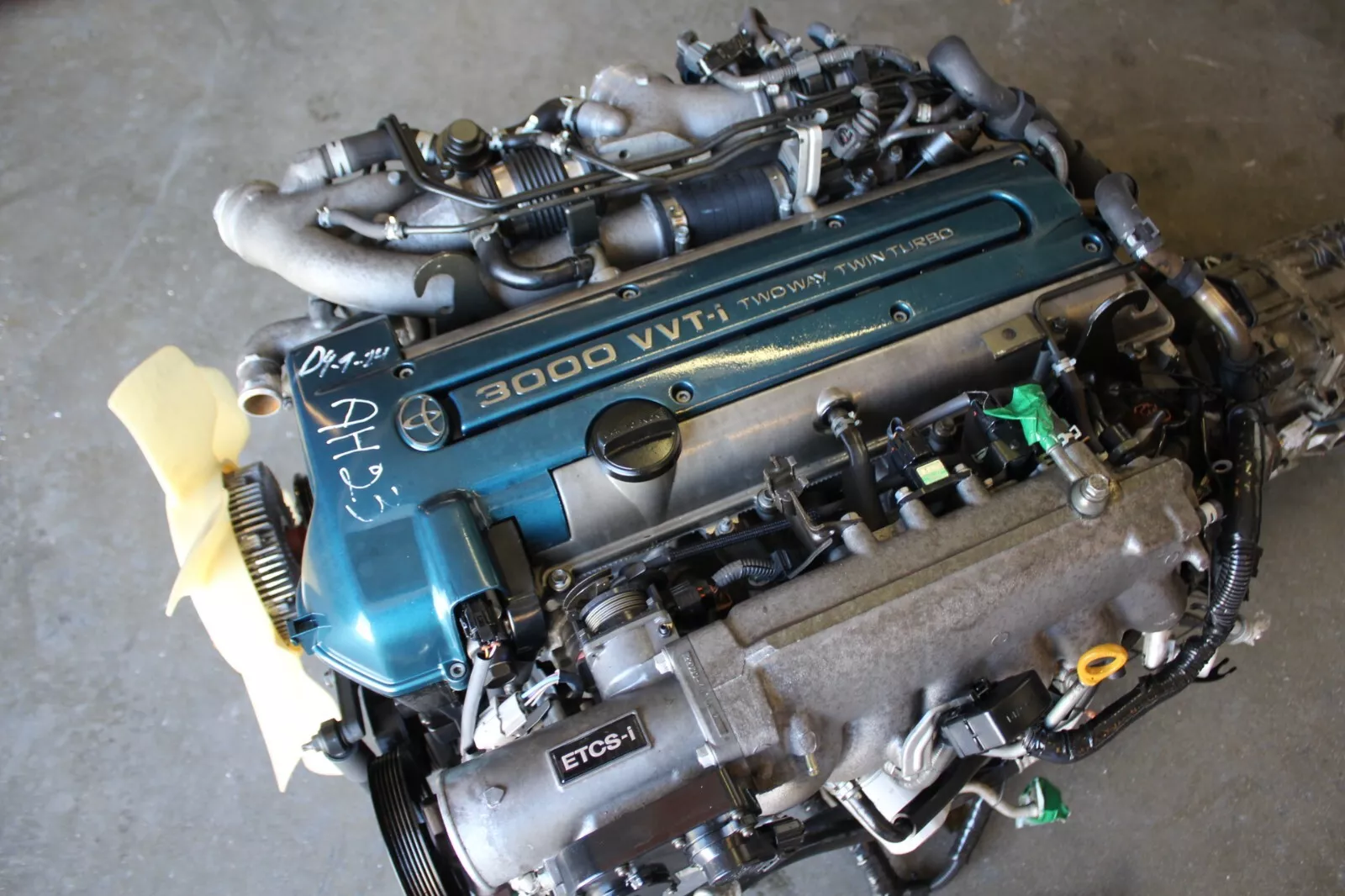
The ZZ4 crate engine is a 350 cubic inch Chevy small-block with aluminum cylinder heads and a hydraulic roller camshaft, built by GM to give a classic car real performance without the manners of a race engine. If you want a carbureted small-block that drops into an older Chevy with the mounts, headers and transmission you already have, the ZZ4 crate motor and its newer sibling, the ZZ6, are the family to look at. If you want more power for the money and you are ready for fuel injection and an engine controller, the LS3 is the stronger pick, and the 350 HO sits below all of them as the mild, budget-minded choice.
Those four engines get compared constantly, but they are not interchangeable. Below is how they differ, what each one asks of the rest of your car, and how to pick the one that matches the build you actually have in the garage.
What a ZZ4 crate engine actually is
The ZZ4 is a Gen I style small-block Chevy. That matters more than the horsepower number, because it means it shares the basic layout of the 350 that has been in hot rods, trucks and muscle cars for decades. Engine mounts, bellhousing pattern, distributor ignition and a carbureted intake all follow the traditional small-block format, so it is the easiest of the bunch to put into a car that was built around a small-block in the first place.
What separates it from a stock 350 is the hardware: aluminum heads, a roller cam and a stronger bottom end than a typical passenger car engine. GM rated it in the mid 300 horsepower range. Because ratings depend on how the engine is dressed and tested, confirm the exact figure on the Chevrolet Performance spec sheet or on the specific listing before you plan around a number.
You can see a current example in our GM Performance ZZ4 crate engine listing. Read the description carefully to see whether it is a long block or a dressed engine, since that changes what else you need to buy.
ZZ4 vs ZZ6: the closest comparison
The ZZ6 is the engine most builders now compare against the ZZ4. It keeps the same basic recipe: 350 cubic inches, aluminum heads, hydraulic roller cam and a traditional small-block layout. The main difference is in the cam and induction tuning. The ZZ6 is set up to make more power, and listings commonly show it at 405 horsepower in turn-key form. It idles with a little more character but stays streetable.
In practice, if a ZZ4 fits your car, a ZZ6 almost always fits too. The decision comes down to price, what version is available, and whether you want a carbureted or EFI package. Our Chevrolet Performance ZZ6 405 HP turn-key crate engine is a good reference point for what a fully dressed ZZ6 includes. Chevrolet Performance’s own catalog is the place to confirm which part numbers are still in production.
Where the 350 HO fits
The 350 HO is the practical small-block. It is built for people who want a fresh, reliable engine with more pep than a tired original 350, without paying for aluminum heads or chasing peak numbers. It works well in trucks, cruisers and restorations where smooth idle, vacuum for power brakes and easy tuning matter more than a dyno sheet.
Listings for the HO generally sit in the low 300 horsepower range. Our Chevrolet Performance 350 HO turnkey crate engine shows the 333 hp version. Check whether you are looking at a long block or a dressed package, and confirm the head material and cam details on the listing.
LS3: a different engine family
The LS3 is not a bigger small-block. It is a 6.2L engine from GM’s LS family, with an aluminum block, aluminum heads, coil-near-plug ignition and fuel injection that needs an electronic controller to run. It makes more power than any of the 350s and generally delivers better drivability and fuel economy once it is set up correctly.
The catch is everything around the engine. Putting an LS3 into an older car usually means swap motor mounts, an oil pan that clears your crossmember, headers or manifolds made for the swap, an EFI fuel pump and lines, and a controller and wiring harness. A transmission that bolts to an LS bellhousing pattern is another line item. None of it is unusual anymore, but it adds up. Our Chevrolet Performance LS3 495 HP long block is a performance version of the LS3, and as a long block it leaves the intake, accessories and electronics to you.
Side-by-side comparison
| Engine | Family | Fuel and ignition | Best fit | Swap effort in a classic Chevy |
|---|---|---|---|---|
| 350 HO | Gen I style small-block | Carburetor, distributor (check package) | Trucks, cruisers, restorations | Low |
| ZZ4 | Gen I style small-block | Carburetor, distributor | Street performance, period-correct builds | Low |
| ZZ6 | Gen I style small-block | Carburetor or EFI, depending on package | Street performance with more power | Low |
| LS3 | LS family 6.2L | EFI with electronic controller | Modern power and drivability | Moderate to high |
Power figures vary by package and test method, so use the rating printed on the listing and the Chevrolet Performance spec sheet rather than a forum number.
Which crate motor fits your build
- Restoring a car that had a small-block: start with the 350 HO or ZZ4. Your mounts, headers, transmission and most of your accessories carry over.
- Classic street car where you want noticeable power: the ZZ6 is the usual answer, with the ZZ4 as an alternative if you find the right package.
- Pro-touring or a car you plan to drive long distances: the LS3 makes the most sense, as long as the budget covers the swap parts and electronics.
- Tight budget overall: price the whole job, not just the engine. A cheaper small-block that reuses your parts can finish below an LS3 that needs a new fuel system and harness.
Long block, base, deluxe or turn-key: read the package name
Crate engine names tell you how complete the engine is. A long block usually stops at the heads and cam, with no intake, carburetor or accessories. Base and deluxe packages add more parts, and turn-key versions are meant to be close to ready to run. Two engines with the same horsepower can be thousands of dollars apart because of what is bolted on. Our guide on complete engine vs long block walks through what each level normally includes.
Before you order
- Confirm your transmission, bellhousing and flexplate or flywheel match the engine family.
- Measure for oil pan, header and hood clearance, especially with an LS3.
- Check that your fuel system suits carburetion or EFI as needed.
- Plan cooling: radiator capacity, fan and hoses.
- Budget for exhaust, ignition, gaskets, fluids and labor. Our engine project budget guide lays out the line items people forget.
A complete small-block or LS engine is heavy. Use a rated engine hoist and stand, and never work under a suspended engine.
Shopping for a Chevy crate engine
Start in our crate engines category to compare ZZ, HO and LS options side by side, or browse everything from Chevrolet Performance. For the official specs on each part number, check Chevrolet Performance Parts. If you are open to other platforms too, the full engines department covers replacement and JDM engines as well.
Frequently asked questions
Is the ZZ4 crate motor a direct replacement for a stock 350?
In most classic Chevy applications, yes. It follows the traditional small-block layout, so mounts and bellhousing pattern match. You may still need to adjust headers, carburetor, ignition and cooling to suit the extra power.
Should I buy a ZZ4 or a ZZ6?
Both share the same basic design. The ZZ6 is tuned for more power and is easier to find in current packages. Choose by package contents, price and whether you want carburetor or EFI.
Is an LS3 better than a ZZ6?
It makes more power and runs more like a modern engine, but it needs EFI, a controller and swap-specific parts in an older car. If you want a simple installation, the ZZ6 is easier.
What does “turn-key” mean on a crate engine?
It usually means the engine is dressed with intake, fuel delivery and many accessories so it is close to ready to run. Always check the listing for exactly what is included.
 Start with the right reference
 Plan the arrival
Always confirm the exact model, part number, condition and included components on the product listing. For a compatibility question, contact TorqueHarbor before ordering.