
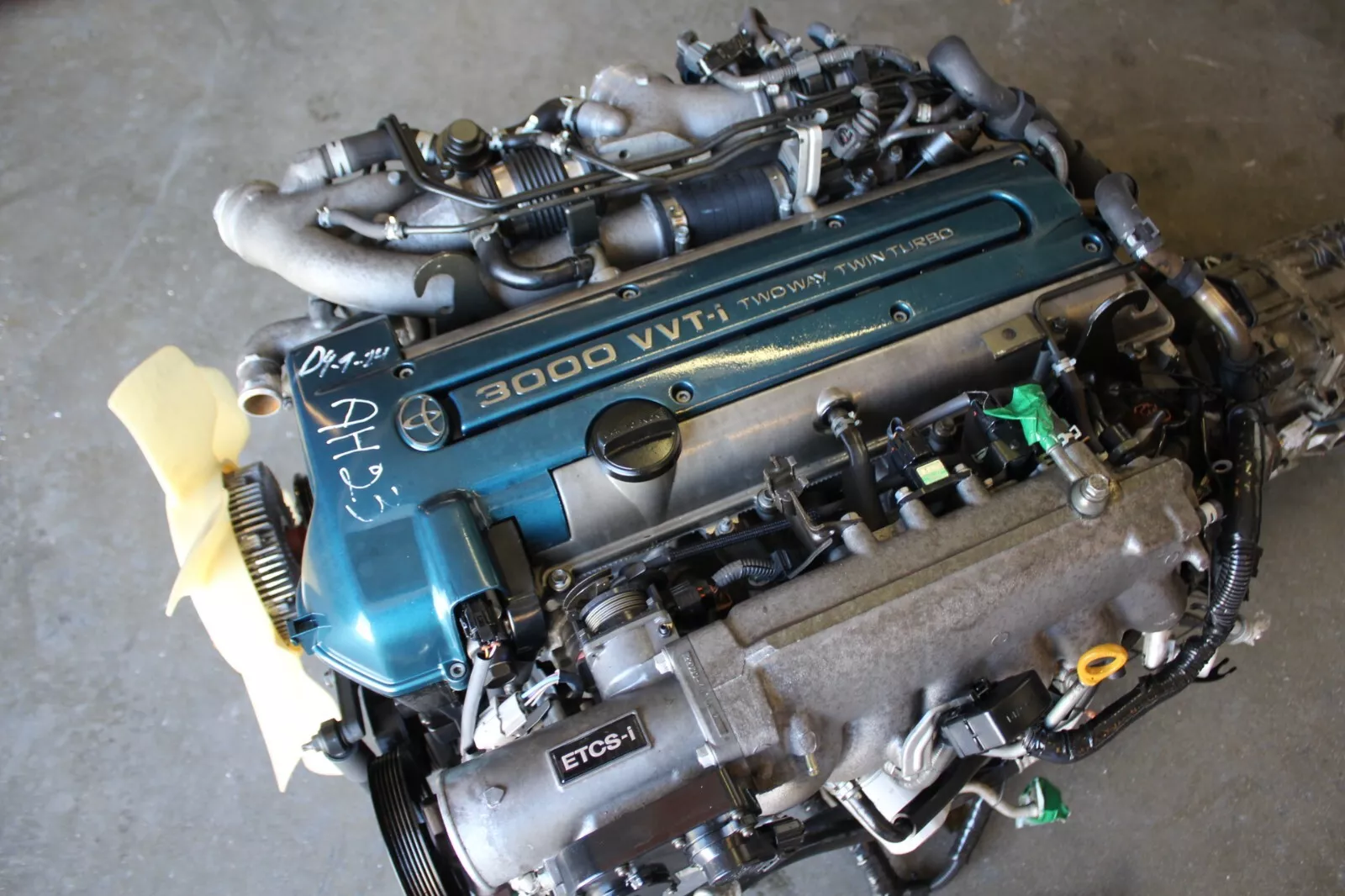
In the Bobcat vs Ranger welder question, there is no universal winner: the Miller Bobcat and the Lincoln Ranger are direct competitors, and both families cover stick welding, wire welding with a feeder, and auxiliary generator power for tools. The right choice comes down to the specific model’s weld output, generator wattage, fuel type, engine, weight and the dealer support near you. Compare those line by line instead of picking by the color of the case.
Both lines have been on job sites, farms and service trucks for decades, and both have changed a lot over the years. Here is how to compare current models sensibly, plus the carbon monoxide safety rules that apply to any engine-driven machine.
Bobcat vs Ranger welder: what you are really comparing
An engine-driven welder/generator is two machines sharing one engine. The welding side gives you a DC (and on some models AC) welding output. The generator side gives you outlets for grinders, lights, compressors and sometimes a house or shop during an outage. Miller sells the Bobcat as its mainstream gas-powered line, with the Trailblazer sitting above it. Lincoln’s Ranger line plays the same role, with larger diesel machines sold under other names.
Inside each family the models differ more than the brands do. A Bobcat 225 and a Bobcat 260 are not the same class of machine, and a Ranger 260MPX is a different tool from a Ranger 330MPX. Compare the two models you are actually considering.
Models you will see side by side
- Miller Bobcat 225 Kohler Welder/Generator with Remote Start/Stop (907791001)
- Miller Bobcat 260 LP Kohler Welder/Generator with GFCI (907794), a propane-fueled version
- Lincoln Ranger 260 MPX Engine Driven Welder (K3458-1)
- Lincoln Ranger 305G Welder Generator
Side-by-side checklist
| Factor | What to look for | Why it matters |
|---|---|---|
| Rated weld output | Amps at a stated duty cycle, per process | Decides rod size and how long you can weld continuously |
| Generator output | Continuous (rated) watts, not just peak | Peak watts only cover short motor starts |
| Processes | Stick, MIG/flux-core with feeder, TIG, gouging | Multiprocess (MPX) models add flexibility |
| Fuel | Gasoline, propane (LP) or diesel | Fuel availability, storage and engine life |
| Engine | Make, service network, parts | Most downtime is engine downtime |
| Weight and size | Dry weight, footprint, lift points | Truck bed capacity and mounting |
| Extras | GFCI outlets, remote start/stop, remote amperage control | Convenience and job-site compliance |
Get these numbers from each manufacturer’s spec sheet. Miller publishes them at millerwelds.com and Lincoln at lincolnelectric.com. Read the generator rating carefully: some brochures lead with peak watts, which a machine can only hold briefly.
Welding performance
Both lines are built around stick welding first, and both handle common electrodes like 6010, 6011 and 7018 well within their rated range. If you plan to run wire, check whether the model supports a suitcase feeder or a spool gun and whether it offers a constant voltage (CV) mode for it. Lincoln’s MPX models are marketed as multiprocess. Some Miller models offer remote amperage control through the weld cables, which saves walks back to the truck.
If you weld pipe or structural steel for a living, talk to people in your trade about arc feel. Welders do have preferences, and the only honest way to settle it is to run a few rods on each machine.
Generator performance
For many buyers the generator side matters as much as the welder. Add up what you will run at the same time: a grinder, work lights, a small compressor, a battery charger. Use running watts, and leave headroom for motor starts. Remember that welding and generator power share one engine, so heavy welding reduces what is left for tools on many machines. The manual explains the combined-load rules for each model.
If you plan to run laptops or tool chargers, look for wording in the spec sheet about power quality, and use a surge protector on sensitive devices either way.
For backup home power, connect only through a properly installed transfer switch or interlock. Backfeeding through an outlet can energize utility lines and endanger line workers. Have a licensed electrician do that hookup.
Fuel and engine choice
Most Bobcat and Ranger models run on gasoline, which is easy to find and suits occasional use. Propane versions, like the Bobcat 260 LP, avoid stale gasoline in a machine that sits for weeks and store fuel well, but tanks need to be secured and refilled. Diesel engine-driven welders tend to be larger and cost more up front; they are usually chosen for heavy daily use.
Check which engine is fitted to the exact model and whether you have a service dealer nearby for it. An engine you can get serviced locally beats a spec-sheet advantage you cannot maintain.
Carbon monoxide safety: read this before you start one
Every gasoline, propane and diesel engine produces carbon monoxide. CO has no color or smell, and it can kill within minutes in an enclosed space. Engine-driven welders are just as dangerous as portable generators in this respect.
- Never run an engine-driven welder inside a shop, garage, basement, barn or trailer, even with doors or windows open.
- Run it outdoors with the exhaust pointed away from doors, windows, vents and people. Keep it well away from any building opening.
- Do not weld inside a building with the machine parked against an open bay door. Exhaust drifts in.
- Install battery-backed CO alarms in nearby living and working spaces.
- If anyone feels dizzy, gets a headache, feels sick or weak, move everyone to fresh air at once and call 911.
OSHA publishes guidance on carbon monoxide and portable generator hazards that applies directly here. Also refuel only with the engine off and cool, and keep fuel away from welding spatter.
So which one should you buy?
- Choose by model, not brand. Put the two specific machines in the table above and see which fits your weld and power needs.
- Consider service. If one brand has a strong dealer near you, that counts for a lot.
- Match your fleet. If your crew already runs one brand’s feeders, remotes and leads, staying with it saves money and confusion.
- Size for the work you do most. A heavier machine you rarely push costs more to buy, haul and fuel.
Our welder-generator buying guide goes deeper on welding output and auxiliary power, and the multiprocess welder buying checklist helps if you are weighing MPX-style models.
Where to compare models
To see Bobcat, Ranger, Trailblazer and other machines in one place, browse our engine driven welders. You can also narrow it down by brand on the Miller and Lincoln Electric pages. Check each listing’s model and part number against the manufacturer spec sheet before you order.
Frequently asked questions
Is the Miller Bobcat or Lincoln Ranger better?
Neither is better across the board. Compare the specific models on weld output, continuous generator watts, fuel, engine, weight and local service support.
Can I run my house on a Bobcat or Ranger during an outage?
Many people do, within the machine’s continuous generator rating, but only through a transfer switch or interlock installed by a licensed electrician. Never backfeed through an outlet, and always run the machine outdoors.
Can I run an engine-driven welder inside my shop if the door is open?
No. Carbon monoxide builds up even with doors open. Keep the machine outdoors, exhaust pointed away from openings, and run long leads into the building if needed.
What does LP mean on a Bobcat 260 LP?
LP means the engine runs on liquid propane rather than gasoline. Confirm the fuel system setup and tank requirements in the manual.
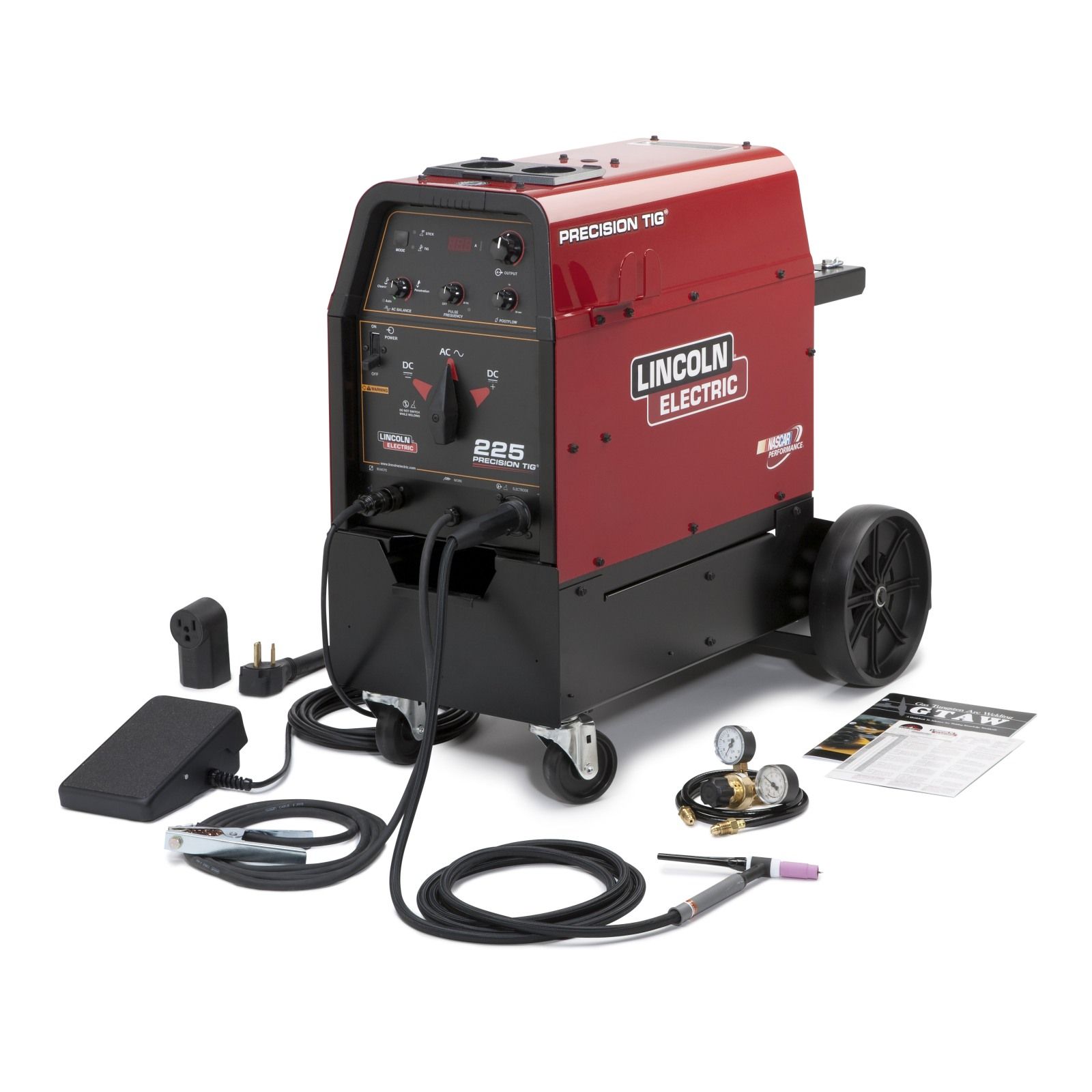 Match the equipment to the work
 Plan the arrival
Always confirm the exact model, part number, condition and included components on the product listing. For a compatibility question, contact TorqueHarbor before ordering.