
A welder-generator can bring welding capability to a site without mains power, but welding output and auxiliary electrical power are separate specifications. Check both against the work you intend to do. A large advertised wattage does not establish which welding processes the unit supports.
Start with a job and load list
List the welding process and output your work requires. Then separately list the tools, lights or other equipment you want to power. Record each load’s rated requirements and any starting demand. Give that list to the manufacturer or a qualified electrical professional when assessing suitability.
Miller’s farm-and-ranch guidance describes engine-driven welder-generators for work away from an outlet and notes that additional processes may require accessories. Treat the package as a system rather than assuming a basic unit includes every process advertised for its product family.
Check simultaneous-use limits
Ask how much auxiliary power is available while welding at the required output. Read the relevant performance chart or manual, including receptacle ratings and any power-quality restrictions for connected equipment. Do not add the highest welding and generator ratings together and assume both are available at once.
Compare these fields on each quote
- Exact model, engine and fuel type.
- Supported welding processes and rated output.
- Duty cycle at the output you plan to use.
- Continuous and starting auxiliary-power ratings, where specified.
- Required feeders, torches, leads and controls.
- Weight, dimensions and approved transport or mounting requirements.
- Service access, maintenance history and included documentation.
Think through the complete workday
Where will the unit be positioned, serviced and stored? How will it reach the job? Which accessories need secure storage? A purchase that fits the budget but does not fit the transport plan can create a substantial extra expense. For used equipment, request condition and service information for both the engine and the welding system.
Engine-driven equipment produces exhaust. Follow the manufacturer’s outdoor-use and ventilation requirements, and never operate it inside an enclosed space. Building electrical connections require proper equipment and qualified installation; do not improvise a connection to household wiring.
Make the final comparison
Price the complete package for your work, with unanswered items left visible. Review welder rating terminology and the process checklist. Browse welding equipment and confirm delivery and unloading arrangements for the selected unit.
Sources and further reading
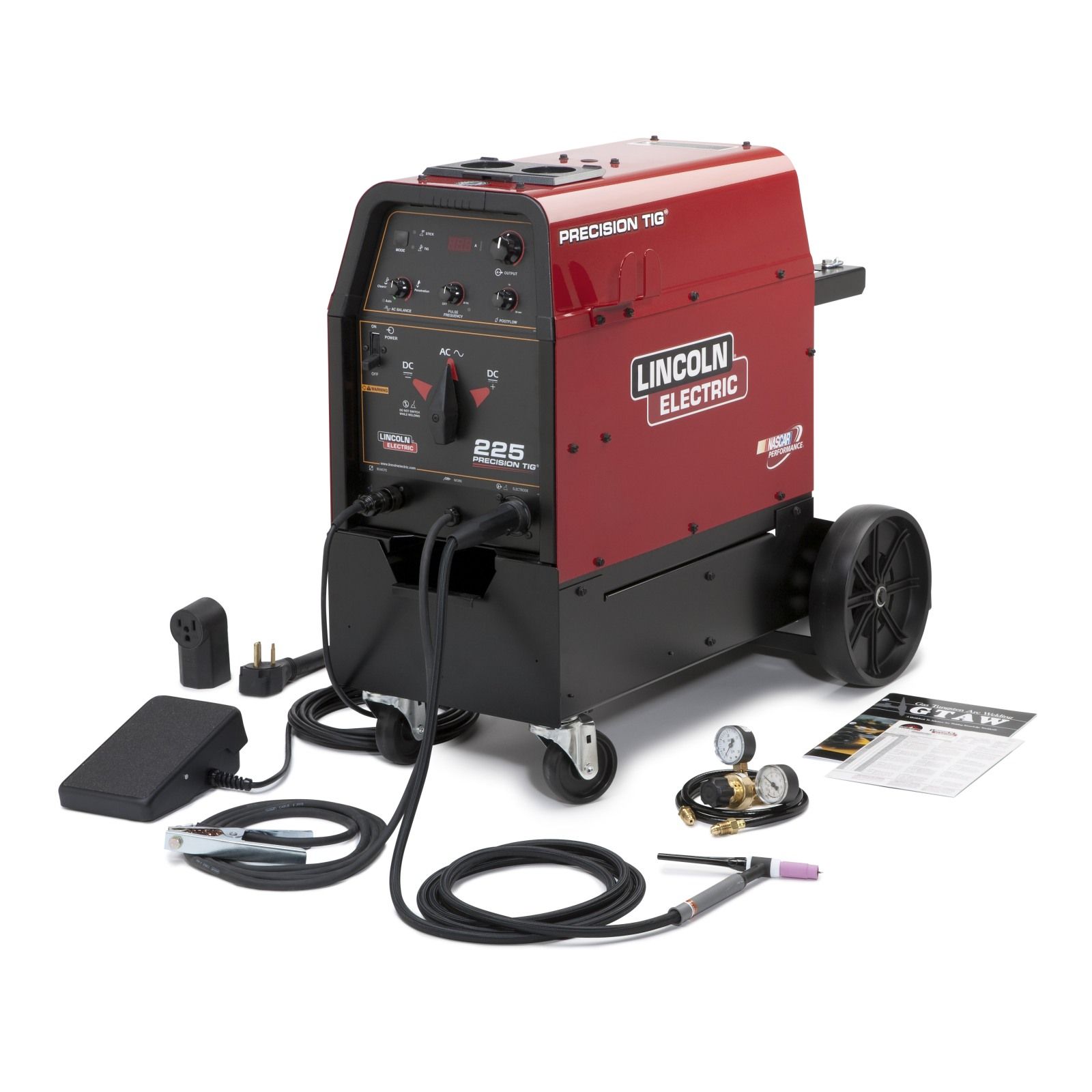 Match the equipment to the work
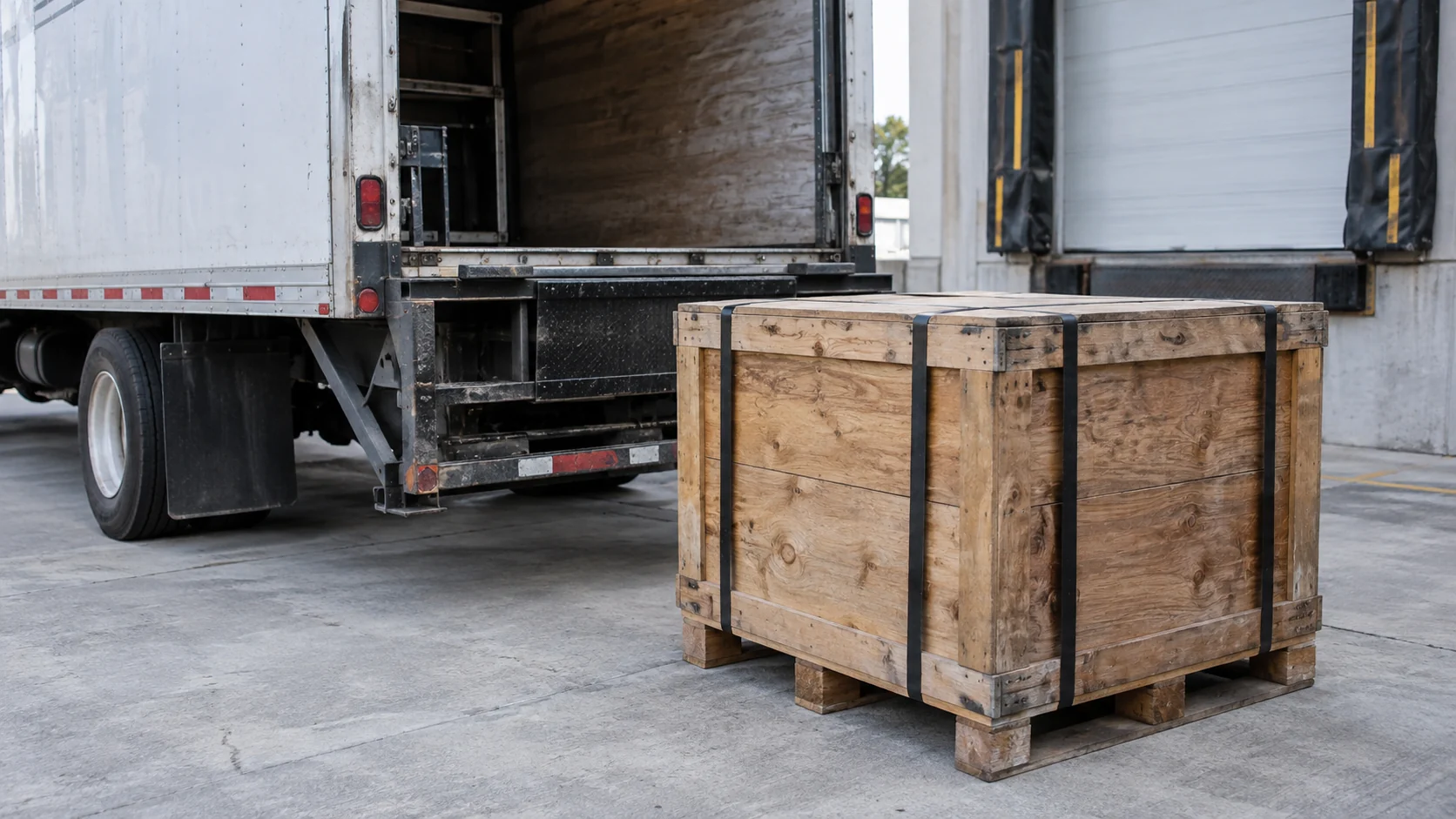 Plan the arrival
Always confirm the exact model, part number, condition and included components on the product listing. For a compatibility question, contact TorqueHarbor before ordering.