
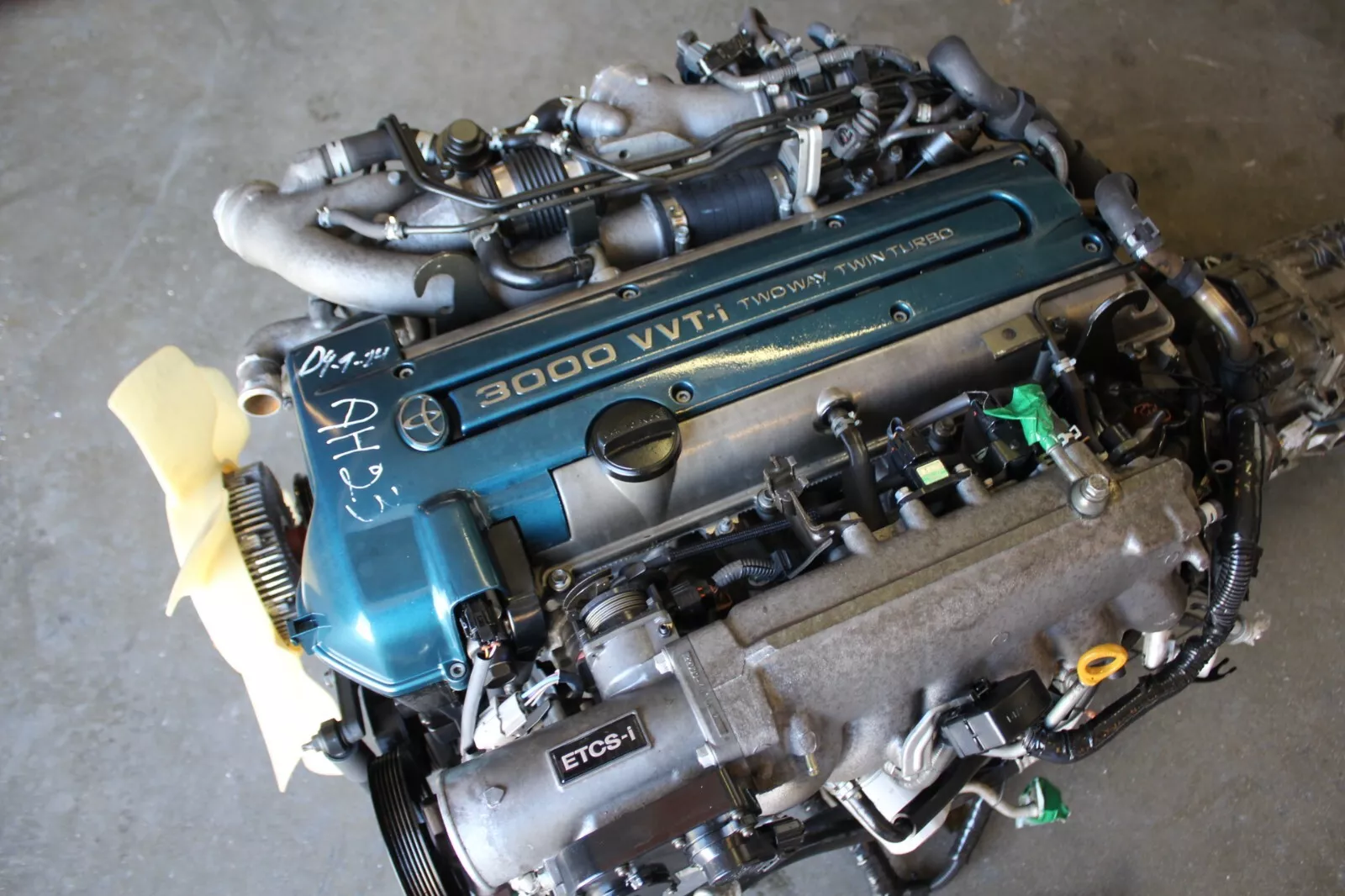
The Miller Thunderbolt 160 DC stick welder suits a homeowner, farmer or maintenance tech who wants a small, portable machine for repairing steel with stick electrodes, and who does not need MIG or AC TIG. Before buying, check the input power you actually have, the electrodes you plan to burn, and the duty cycle at the amperage you will use most. If those three line up, it is an easy machine to live with.
What the Miller Thunderbolt 160 DC stick welder is
The Thunderbolt name has been on Miller stick welders for a long time. Older Thunderbolt units were heavy transformer machines you parked in one spot. The current Miller Thunderbolt 160 DC Stick Welder (907721) is a compact inverter that puts out DC only. That makes it light enough to carry to the fence line, the barn or the back of a truck.
The 907721 number is Miller’s stock number for this model and package. If you are comparing listings, make sure the number matches, because a different suffix or number can mean a different kit. Confirm the exact input voltage options, rated output and included cables on the spec sheet at millerwelds.com or on the product listing before you order.
Why DC output matters for stick welding
A DC stick machine gives a steadier arc than an AC-only buzz box. Starts are easier, there is less spatter, and the puddle is calmer when you are welding out of position. It also opens up electrodes that need DC. E6010, the classic root-pass and dirty-steel rod, runs on DC electrode positive only, so an AC-only welder cannot run it. E7018 runs on AC too, but most people find it much smoother on DC. E6011 and E6013 run on either.
The trade-off is that a DC-only machine does not give you AC, which you need for TIG welding aluminum. If aluminum is on your list, a stick welder is the wrong tool anyway; look at an AC/DC TIG machine instead.
Who the Thunderbolt 160 DC suits
- Farm and ranch repair. Gates, trailer tongues, implement brackets, cattle panels. Stick welding handles mill scale, light rust and wind far better than MIG with shielding gas.
- Homeowners learning to weld. One process, a handful of controls and cheap consumables. Learning to run a good bead with 7018 teaches puddle control that carries over to every other process.
- Maintenance and mobile repair. A light inverter rides in a truck box and plugs in where the job is, as long as the outlet can supply it.
- Outdoor work. Stick welding uses flux on the rod for shielding, so a breeze that would blow away MIG gas is far less of a problem.
Who should look elsewhere
- If you mainly weld thin sheet metal, such as auto body panels, a MIG welder is faster and easier to control.
- If you want to weld aluminum, you need AC TIG or a MIG welder with a spool gun.
- If you run long, heavy passes on thick plate all day, step up to a larger machine with a higher duty cycle, or an engine-driven welder if there is no shop power.
What to check before buying
1. Your input power
This is the number one mistake I see. A small inverter can be sold as running on household power, but output on a standard 120V circuit is limited, and a long, thin extension cord will starve it. Find out which voltages the 907721 accepts, what plug it ships with, and what breaker size Miller recommends for each. Then look at the outlet you will actually use. Our guide to welder input power and duty cycle explains how to read those ratings together.
2. Duty cycle at your working amperage
Duty cycle is the share of a ten-minute period the machine can weld at a given output before it needs to cool. A rating at a low amperage tells you little if you plan to run 1/8-inch 7018 near the top of the dial. Read the duty cycle at the current you will use most. For short repair welds it rarely matters. For fabricating a set of gates in one afternoon it does.
3. The electrodes you will run
Write down the rods you plan to use and the diameters. Small machines are happiest with 3/32-inch and 1/8-inch electrodes. If you expect to burn larger rod regularly, compare the rated output against the electrode maker’s recommended amperage range.
4. What comes in the box
Check cable lengths, the electrode holder, the work clamp and any included adapter. Short leads are fine on a bench and frustrating on a trailer frame.
5. Safety gear and ventilation
Stick welding throws more spatter and smoke than MIG or TIG. Budget for an auto-darkening helmet with a shade suitable for stick, leather gloves, a flame-resistant jacket, safety glasses under the helmet and a fire extinguisher nearby. Weld with good ventilation and keep your head out of the plume. OSHA publishes guidance on welding fumes and hot work that is worth reading before you strike your first arc.
Thunderbolt 160 DC vs Thunderbolt 210 DC and other options
The most common comparison is within the same family. The Miller Thunderbolt 210 DC Stick Welder (907722) is the larger sibling with more output on top. Many buyers also look at Miller’s Maxstar line, such as the Miller Maxstar 161 S Stick Welder (907709), which is aimed more at professional and industrial users.
| What to compare | Thunderbolt 160 DC (907721) | Thunderbolt 210 DC (907722) | Maxstar 161 S (907709) |
|---|---|---|---|
| Process | DC stick | DC stick | DC stick (check spec sheet for TIG options) |
| Typical buyer | Home, farm, light repair | Heavier repair, larger rod | Pro and maintenance users |
| Main reason to choose it | Light, simple, lower cost | More output headroom | Pro-oriented build and features |
| Confirm before buying | Input voltage, duty cycle at your amps | Input voltage, breaker size | Included accessories, input power |
Exact amperage ranges and duty cycles differ, so pull the spec sheets side by side rather than relying on the model number alone.
If you think you will want MIG later, a multiprocess machine can make more sense than buying two welders. Our article on how to compare MIG, TIG and stick welders covers that decision in more detail.
Practical tips once you own it
- Keep low-hydrogen rod like 7018 dry. Once the box is open, store it in a sealed container or rod oven so it does not pick up moisture.
- Grind to clean metal at the work clamp. A poor ground connection causes more arc trouble than most settings.
- Start in the middle of the electrode maker’s amperage range and adjust from there by watching the puddle and listening to the arc.
The American Welding Society is a good place to find training classes and electrode classification information if you want to build your skills properly.
Where to look next
If the Thunderbolt 160 DC fits your power supply and the rod you run, it is a sensible first stick welder or a handy second machine. To compare it with similar machines, browse our stick welders, see the full Miller welder lineup, or step back to all welding equipment.
Frequently asked questions
What is the Miller 907721?
907721 is the Miller stock number used for the Thunderbolt 160 DC stick welder in our listing. Always confirm the number on the listing or the machine’s nameplate matches the configuration you want.
Can the Thunderbolt 160 DC run 6010 rods?
E6010 requires DC electrode positive, which a DC stick welder provides. How well a small inverter runs 6010 depends on the machine’s arc characteristics, so check Miller’s documentation for its recommended electrodes.
Can I weld aluminum with a Thunderbolt 160 DC?
Not practically. Aluminum stick electrodes exist, but they are difficult to use. For aluminum, choose an AC TIG welder or a MIG welder with a spool gun.
Will it run on a regular household outlet?
Check Miller’s spec sheet for the input voltages and breaker size the 907721 supports. Even when a machine can run on 120V, output is lower than on 240V, and undersized circuits or long extension cords reduce performance further.
Is the Thunderbolt 160 DC good for a beginner?
Yes, for steel repair work. Stick welding has a learning curve, but a DC machine is more forgiving than an AC-only unit, and the controls are simple.
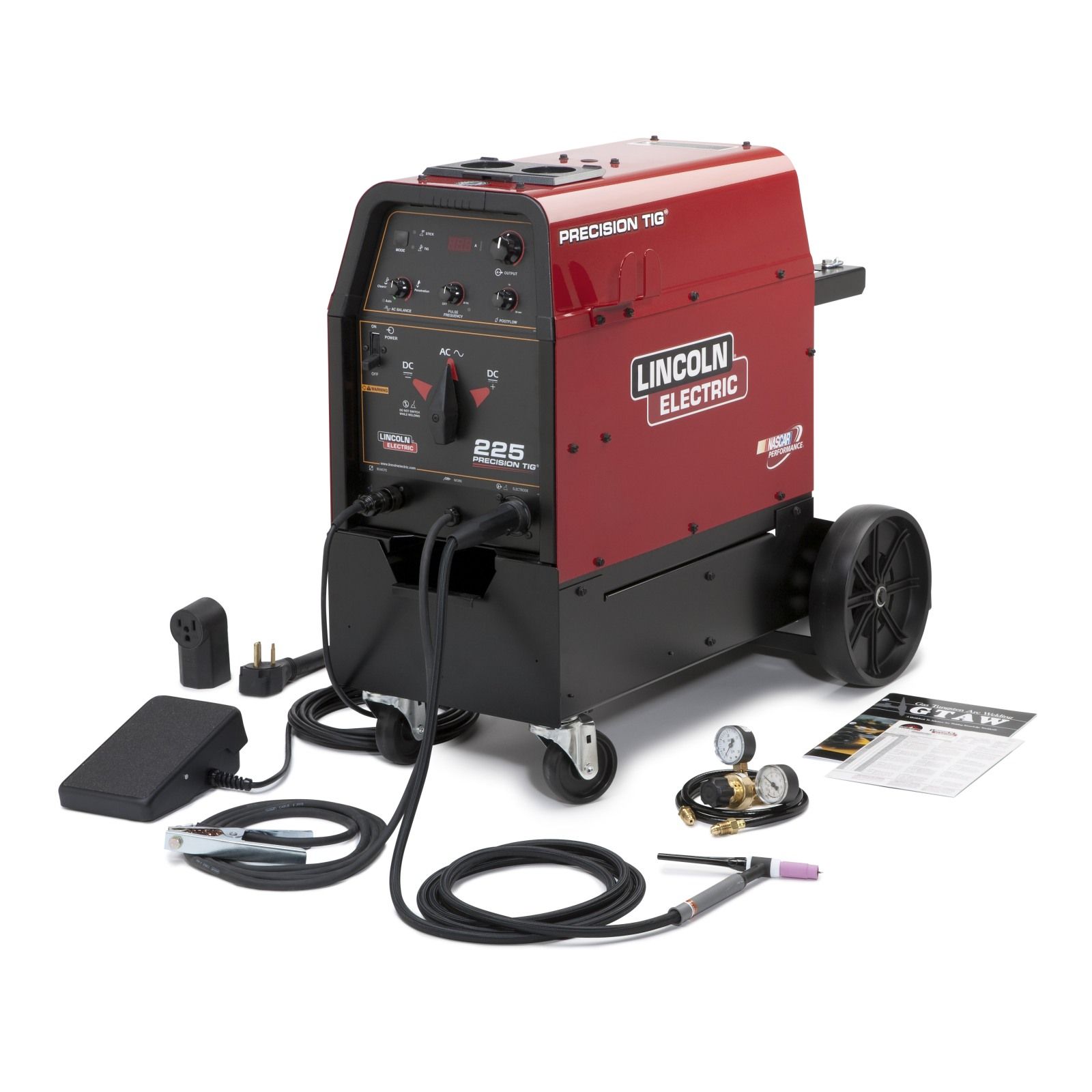 Match the equipment to the work
 Plan the arrival
Always confirm the exact model, part number, condition and included components on the product listing. For a compatibility question, contact TorqueHarbor before ordering.