
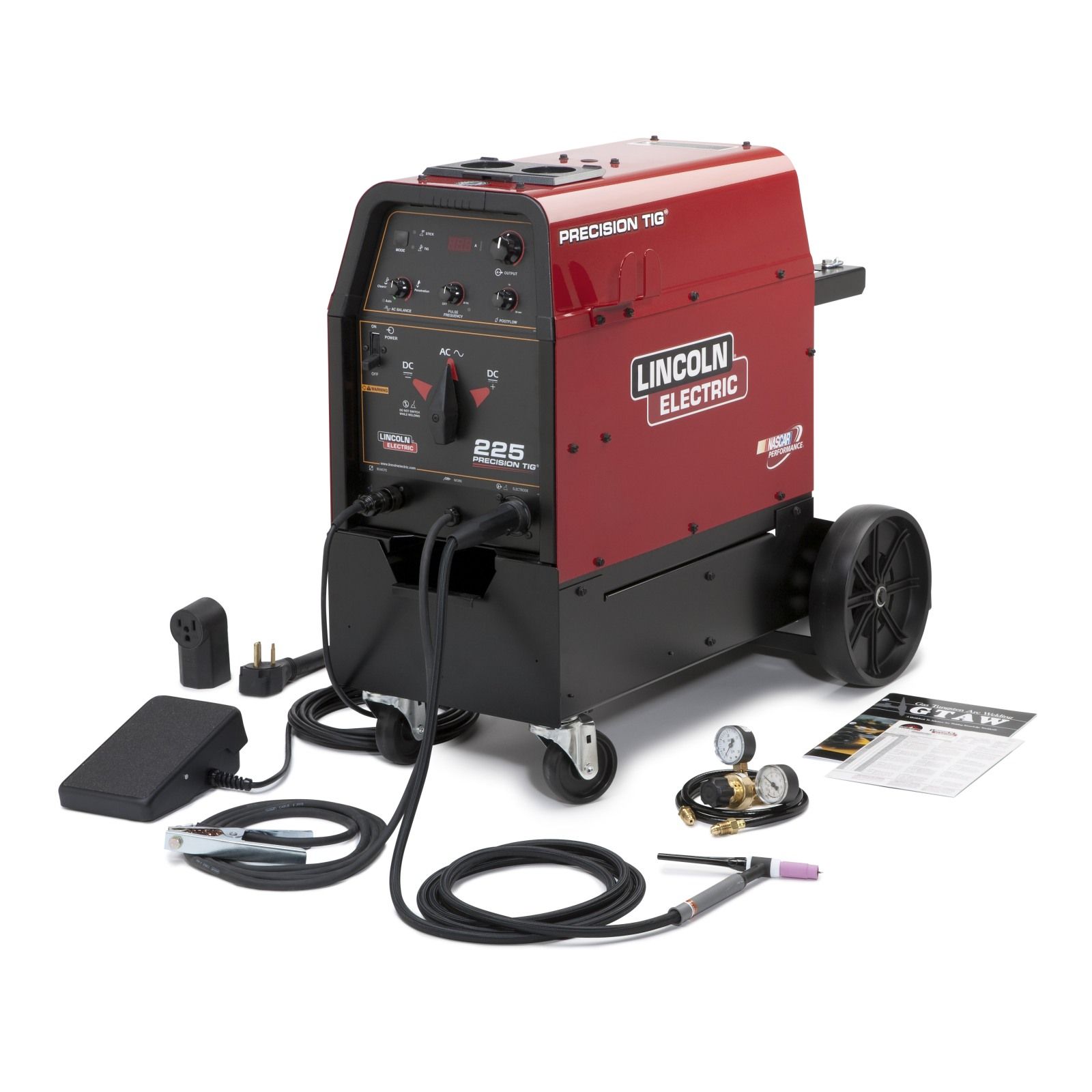
A welder’s largest amperage figure is not a complete description of what it needs or how it can be used. A practical comparison considers input power, rated output and duty cycle together. Keeping those three headings separate helps you ask accurate questions before buying a machine for a workshop or mobile setup.
Input requirements describe the supply
Record the specified input voltage, phase and frequency from the exact model’s documentation. Those requirements belong to the supply feeding the machine, while welding output describes a different part of its operation. Do not substitute an output amperage figure for a circuit specification or assume an existing socket is suitable.
Give the manufacturer’s documentation and your workplace supply information to a qualified electrician. Ask what installation is required and whether the intended machine can be supported. This article does not prescribe breaker sizes, wiring changes or adapters. A machine can be well suited to a welding task and still be unsuitable for the available electrical installation.
Read duty cycle at the stated output
Duty cycle describes an operating period under specified rating conditions. Lincoln Electric’s SAE400 manual, for example, explains a 60% rating as six minutes of operation in a ten-minute period at its nameplate-rated output. That example explains the term; it is not a rating for another model in the catalog.
Compare the complete rating line, including output, process and the stated conditions. Two machines can advertise a similar maximum amperage but have different duty-cycle figures at a useful working output. Avoid combining the best number from one row with the best number from another to create a capability the manufacturer has not stated.
Keep generator power separate
For an engine-driven welder, distinguish welding capability from auxiliary power for tools or other equipment. Lincoln’s engine-driven selection guide discusses comparing current, voltage and duty cycle rather than a single headline rating. Ask about simultaneous-use limitations and continuous versus peak power in the exact manual.
Do not assume the advertised generator figure is available to another machine while welding at full output. Request the relevant specification and have the intended combination assessed. The question is whether a documented arrangement supports your work, not whether two impressive-looking numbers can be added together.
Turn ratings into a purchasing brief
Write down the intended processes, materials, approximate work pattern, available supply and any auxiliary equipment. Add the exact listing reference and mark any missing specification. That creates a useful brief for the equipment supplier and the professionals assessing the installation, without pretending to replace their technical judgment.
Browse the welding equipment listings, compare the process-selection guide, and check delivery arrangements for larger machines. Ask for clarification before ordering if the listed input or duty-cycle information is incomplete. A readable, matched specification is more valuable than choosing solely by maximum output.
What does a welding machine power rating mean?
Separate the electrical input requirement from the welding output rating. Input voltage, phase and current describe the supply the machine needs; welding output and duty cycle describe its operating capability under the stated conditions. Do not select a circuit or generator from the output-amperage headline alone.
Use the exact model’s manual and have a qualified electrician confirm the supply. If comparing an engine-driven unit, our welder-generator buying checklist separates welding output from auxiliary power.
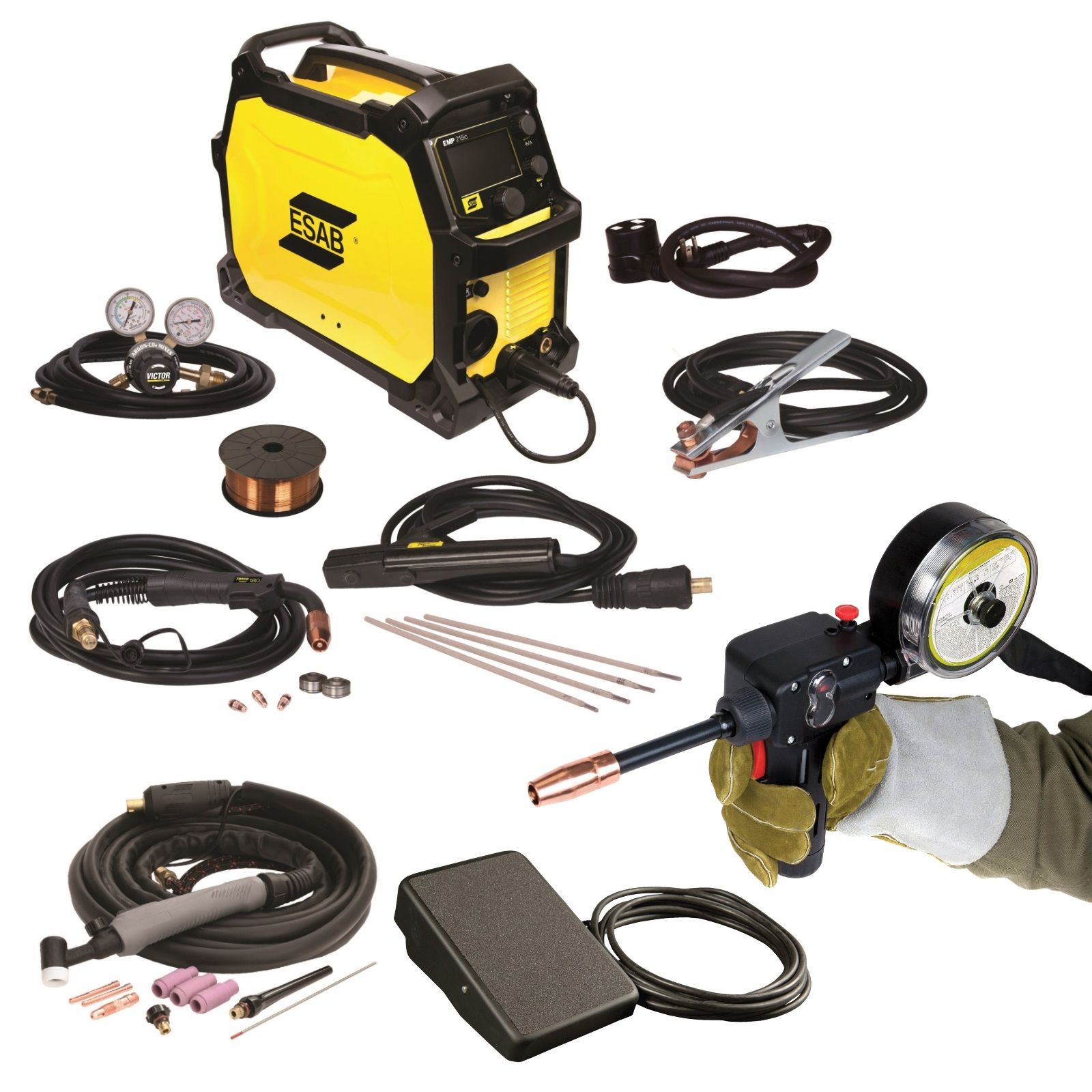 Match the equipment to the work
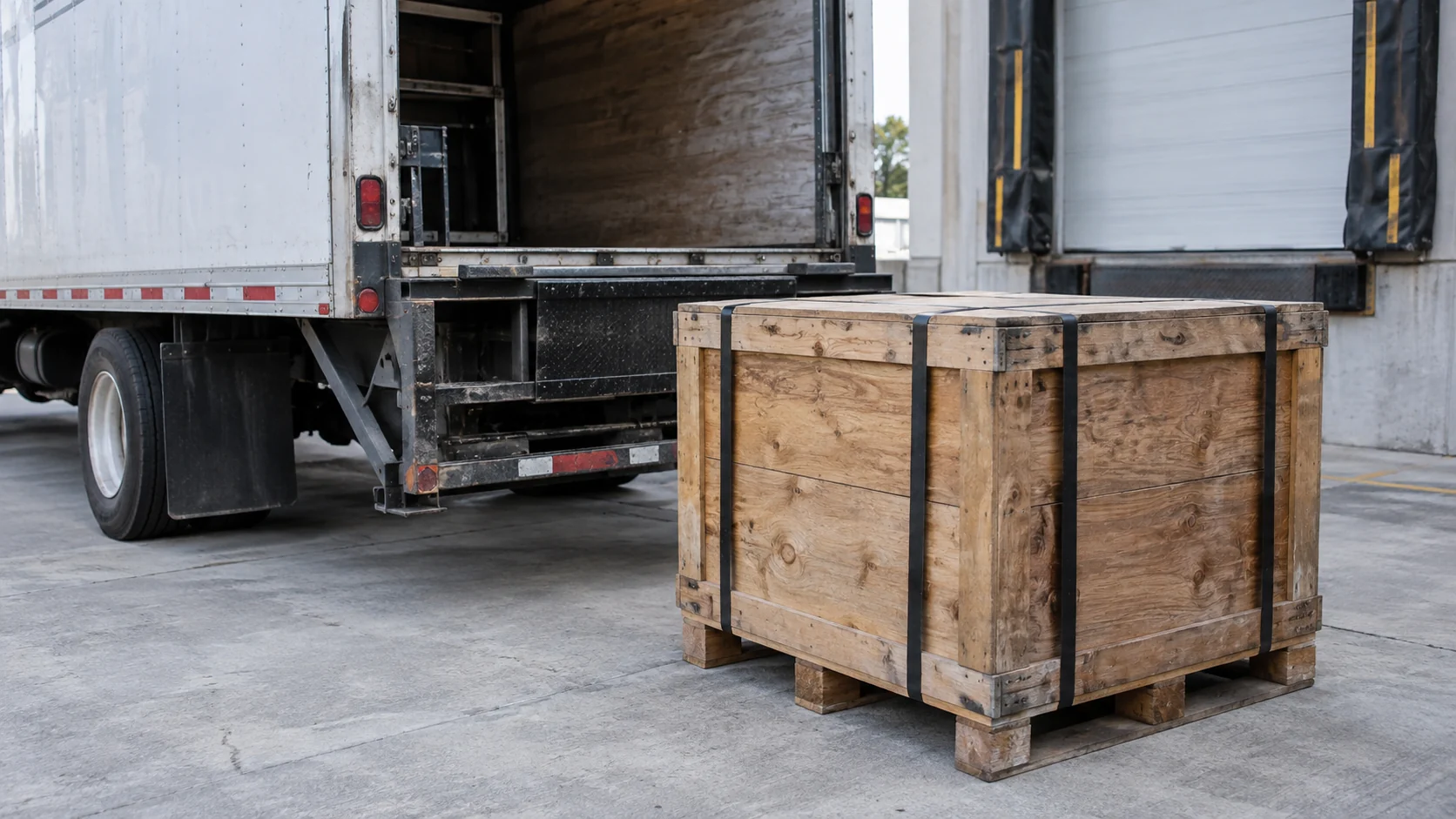 Plan the arrival
Always confirm the exact model, part number, condition and included components on the product listing. For a compatibility question, contact TorqueHarbor before ordering.