
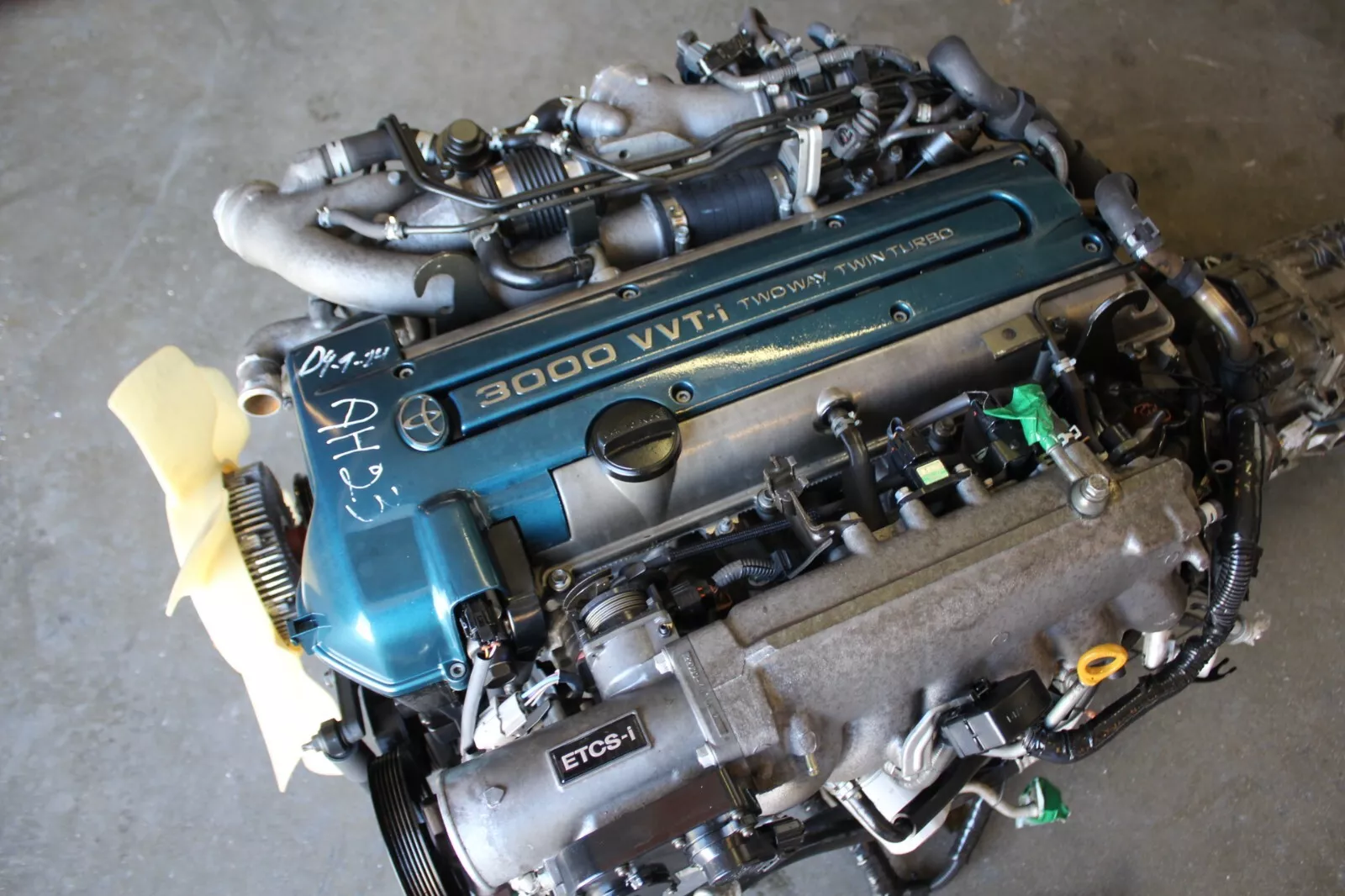
The right TIG welder for aluminum is one with AC output, because alternating current breaks up the oxide layer on aluminum while it welds. For a home shop, small fabricator or boat and trailer repair, that usually means an inverter AC/DC TIG machine like the Miller Syncrowave 210, with adjustable AC balance and frequency, enough amperage for the thickest aluminum you work on, and a duty cycle that fits your jobs. A DC-only TIG welder will not do the job on aluminum, no matter how good it is on steel.
Why a TIG welder for aluminum needs AC output
Aluminum forms a tough oxide skin almost instantly in air. That oxide melts at a much higher temperature than the aluminum underneath, so if you try to weld through it on DC, you get a dirty puddle that will not flow. AC switches polarity many times a second. The electrode-positive half of the cycle cleans the oxide off the surface, and the electrode-negative half puts heat into the work. That cleaning action is the whole reason AC TIG is the standard for aluminum.
Older transformer machines, including earlier Syncrowave models, used a square wave AC output that was a big improvement in its day. Modern inverters go further by letting you adjust how the AC wave behaves.
The features that matter for aluminum
AC balance
Balance sets how much of each cycle is cleaning versus penetration. More cleaning helps with dirty or oxidized material but puts more heat into the tungsten. More penetration gives a narrower, deeper weld with less etching beside the bead. Being able to tune it is one of the biggest upgrades over a basic machine.
AC frequency
Higher frequency tightens and focuses the arc, which helps on fillet welds and thin edges. Lower frequency gives a wider, softer arc. Inverter machines with frequency control make it much easier to put heat exactly where you want it.
Amperage and duty cycle
Aluminum conducts heat away fast, so it needs more amperage than steel of the same thickness. Check the machine’s maximum AC output and the duty cycle at the amperage you will use. Our guide to welder input power and duty cycle shows how to read those ratings together, including how output changes between 120V and 240V input.
Foot control and torch cooling
A foot pedal lets you add and back off heat as the part warms up, which aluminum demands. Air-cooled torches work well for light and moderate work. For long welds at high amperage, a water-cooled torch with a cooler runs cooler and lighter in the hand.
Pulse
Pulse settings help control heat on thin aluminum and make it easier to keep an even bead. Useful, but less critical than balance and frequency for most beginners.
The Miller Syncrowave 210 as an example
The Miller Syncrowave 210 TIG Welder (907596) is a popular choice for shops that want AC TIG for aluminum plus other processes in one box. It is an inverter-based AC/DC machine, and Miller markets it as multiprocess: TIG, stick, and MIG when paired with a wire setup. The Syncrowave 210 package with Spoolmate 150 (951684) adds a spool gun, which is the usual way to MIG weld aluminum on a machine this size.
Check Miller’s spec sheet at millerwelds.com for the input voltage options, the AC adjustments it offers, rated output and duty cycle, and compare those with your typical material thickness.
Other AC/DC TIG machines to compare
| Machine | Who it suits | Check before buying |
|---|---|---|
| Miller Diversion 180 AC/DC TIG (907627) | Hobbyists who want simple controls | Range of AC adjustment, output on your input voltage |
| Miller Syncrowave 210 (907596) | Home and small shops wanting TIG, stick and MIG | Included torch, foot control, spool gun options |
| Lincoln Square Wave TIG 200 (K5126-1) | Home shops wanting AC/DC TIG from Lincoln | Duty cycle at your amps, AC controls |
| Miller Dynasty and Lincoln Aspect series | Professional and production work | Higher price, larger input power needs |
Setup basics for TIG welding aluminum
- Shielding gas: pure argon is the standard for AC TIG on aluminum. Argon/helium mixes are used on thicker material for more heat.
- Tungsten: modern inverters usually run lanthanated or ceriated tungsten on AC. Follow the machine maker’s recommendation.
- Filler rod: 4043 and 5356 are the common aluminum fillers. The right choice depends on the base alloy and whether the part will be anodized or loaded heavily, so check a filler selection chart.
- Cleanliness: remove oil with a solvent such as acetone, then brush with a stainless steel brush used only for aluminum. Most aluminum weld problems start with dirty metal.
- Preheat: thick sections can benefit from preheating, but heat-treated alloys can lose strength if overheated. Check guidance for your alloy.
The American Welding Society is a good source for filler classifications and training on aluminum procedures.
Safety when welding aluminum
AC TIG on aluminum produces strong ultraviolet light, which reflects off shiny aluminum more than steel. Cover all skin, wear a helmet with a suitable shade and keep bystanders away from the arc. Weld with good ventilation and keep your head out of the fumes. OSHA has guidance on welding fumes and ventilation worth reviewing.
Narrowing it down
Decide on your thickest typical aluminum, the input power you have, and whether you also want stick or MIG in the same machine. That shortlist points you to the right class of welder. If one machine for several processes appeals to you, our multiprocess welder buying checklist helps you check what is really included. When you are ready to compare, browse our TIG welders or the full Miller range.
Frequently asked questions
Can I TIG weld aluminum with a DC TIG welder?
Not in a practical sense. Aluminum needs AC for oxide cleaning, so choose a machine labeled AC/DC.
Is the Miller Syncrowave 210 good for aluminum?
It is an AC/DC inverter TIG machine designed to weld aluminum, along with steel and stainless. Check Miller’s spec sheet to confirm its output and duty cycle suit the thickness you plan to weld.
What gas do I need to TIG weld aluminum?
Pure argon is the standard choice. Argon/helium blends are used on thicker material for extra heat input.
Do I need a water-cooled torch for aluminum?
Not for most home and light shop work. Water cooling helps with long welds at high amperage, where an air-cooled torch gets hot.
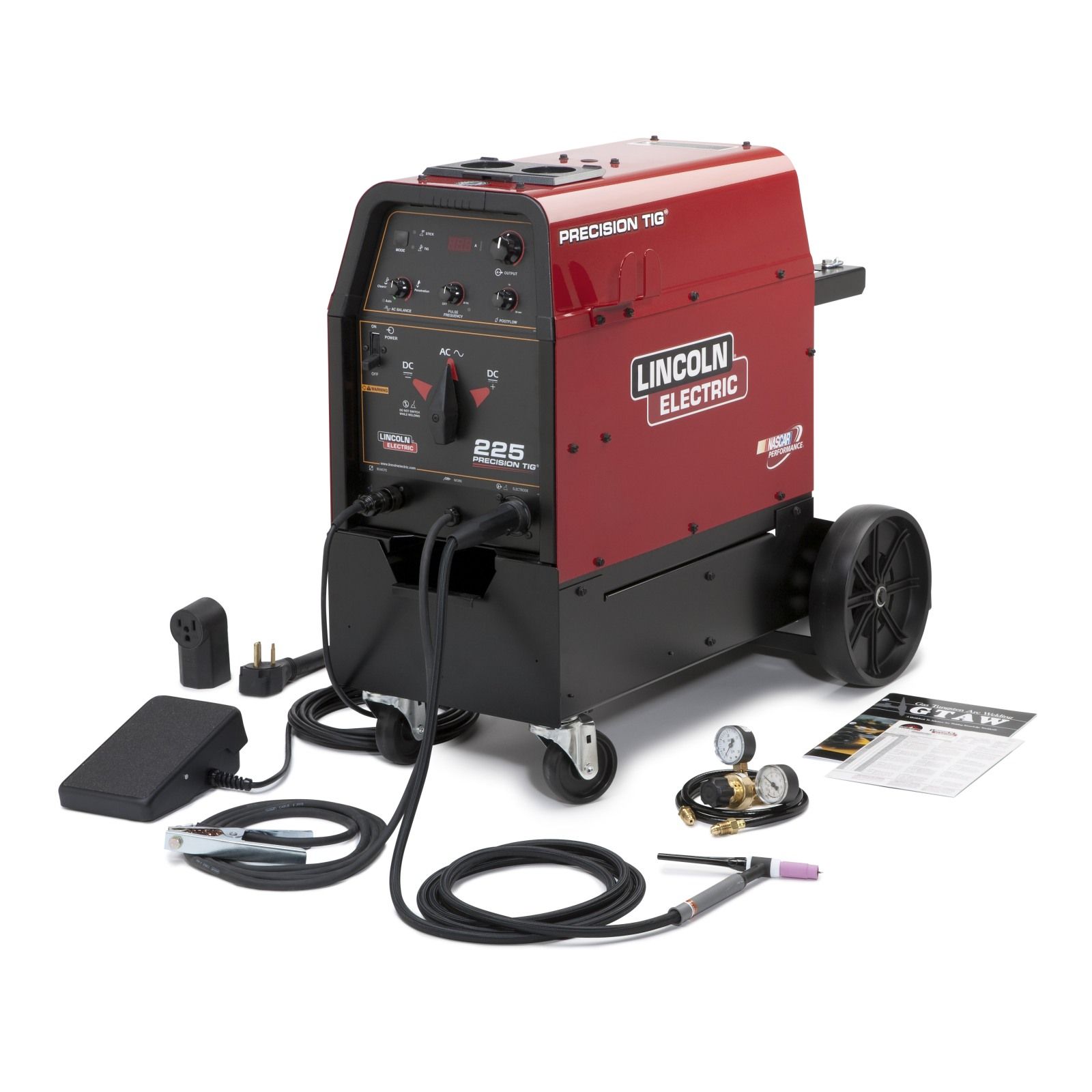 Match the equipment to the work
 Plan the arrival
Always confirm the exact model, part number, condition and included components on the product listing. For a compatibility question, contact TorqueHarbor before ordering.