
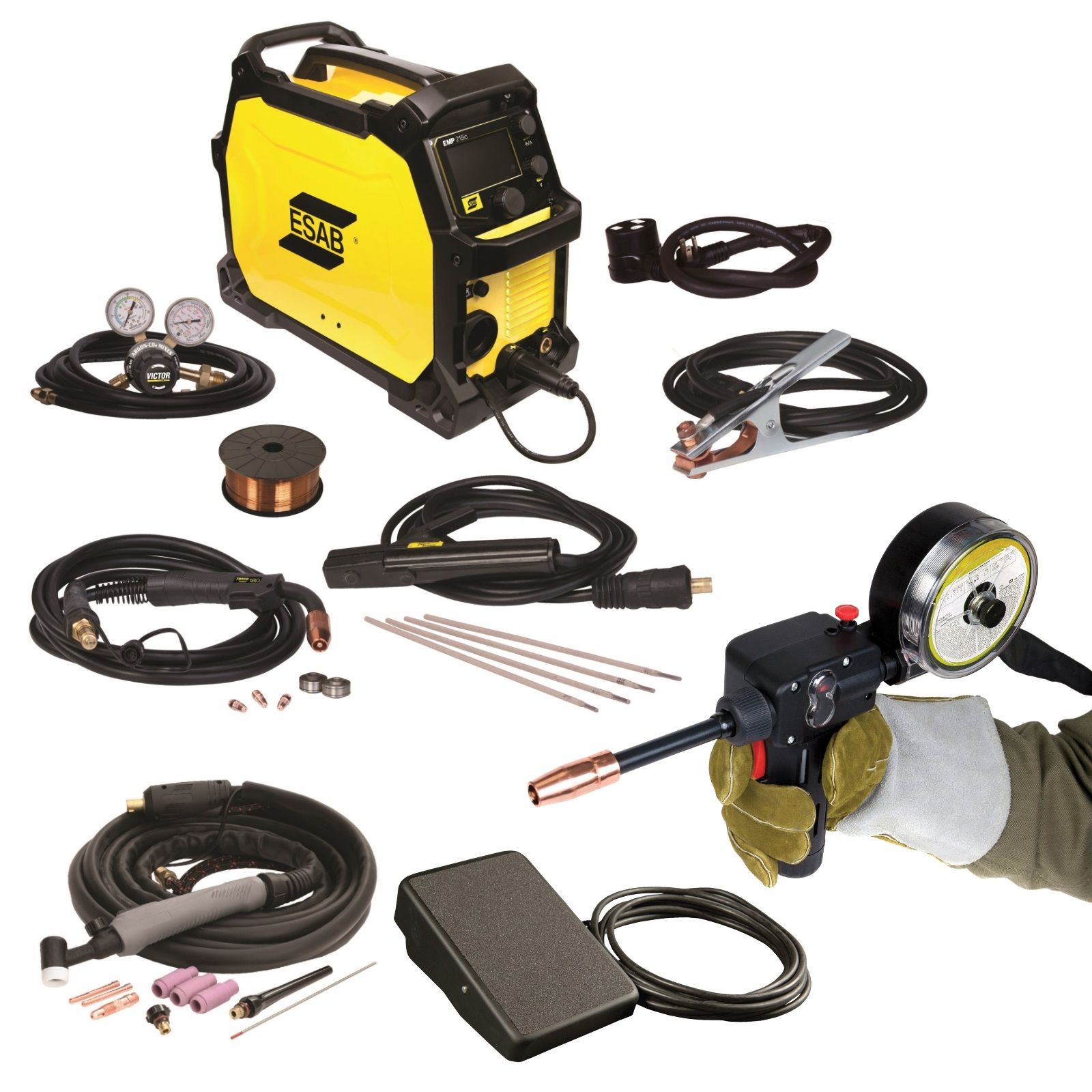
Choosing a welder begins with the work you need to do, not the largest output number on a product card. Write down the material, expected thickness range, work environment and your experience before comparing machines. That short brief helps distinguish a suitable process and equipment package from a machine that merely sounds capable.
Choose a process with a clear purpose
MIG, TIG and stick welding use different equipment arrangements and require different skills and consumables. Miller’s first-welder guide explains the broad process differences and emphasizes that no process fits every application. Use it for orientation, then match the exact machine specification to your intended work.
A process name alone does not describe every capability. For example, a multiprocess label does not establish that the machine includes every torch, feeder, remote or gas accessory needed for each process. Read the supported-process list and included-equipment section separately, and request clarification wherever the listing leaves an attachment uncertain.
Check the full machine specification
Compare the stated input voltage, phase and frequency with the supply available at the intended workplace. Ask a qualified electrician about the required circuit and installation. Do not assume that a familiar-looking plug or an optional adapter makes a machine suitable for the power source you have.
Next, read the output range and duty-cycle rating together. Maximum output is not necessarily the output available continuously. Compare ratings at the conditions stated by the manufacturer rather than treating two headline amperage figures as equivalent. The power and duty-cycle guide explains how to organize those questions.
Compare the complete equipment package
Make a list of the gun or torch, leads, work clamp, regulator, required gas arrangements, consumables and any process-specific accessories. Classify each item as included, separately required or unconfirmed. Then compare complete purchase scopes, including safe workplace preparation and appropriate training, rather than only the machine price.
For used equipment, request the exact model, condition information and details supporting any stated inspection or repair. Do not interpret a general “tested” description as a complete guarantee of every mode and accessory. If the product is marked for confirmation before purchase, resolve that notice before planning work around the machine.
Keep safety and application approval in the decision
This is a buying guide, not a welding procedure. Ventilation, electrical safety, eye and skin protection, fire prevention and the suitability of a weld for its application require proper instruction and the relevant equipment manual. Safety-critical vehicle or structural work needs qualified professional assessment; purchasing a capable machine does not establish that a repair is appropriate.
Compare the welding catalog and use the project parts list to record missing equipment. Send support a specific model reference when a specification or accessory is unclear. A focused equipment choice is easier to evaluate than an unsupported promise that one welder can handle everything.
Should I buy a multiprocess welding machine?
A multiprocess welder can be worth comparing when your work needs more than one process, but check the capability and included equipment for each process separately. A machine name does not confirm that every torch, pedal, gas regulator or aluminum accessory is supplied.
Use our multiprocess welder buying guide for the package checklist, then browse multiprocess welding machines.
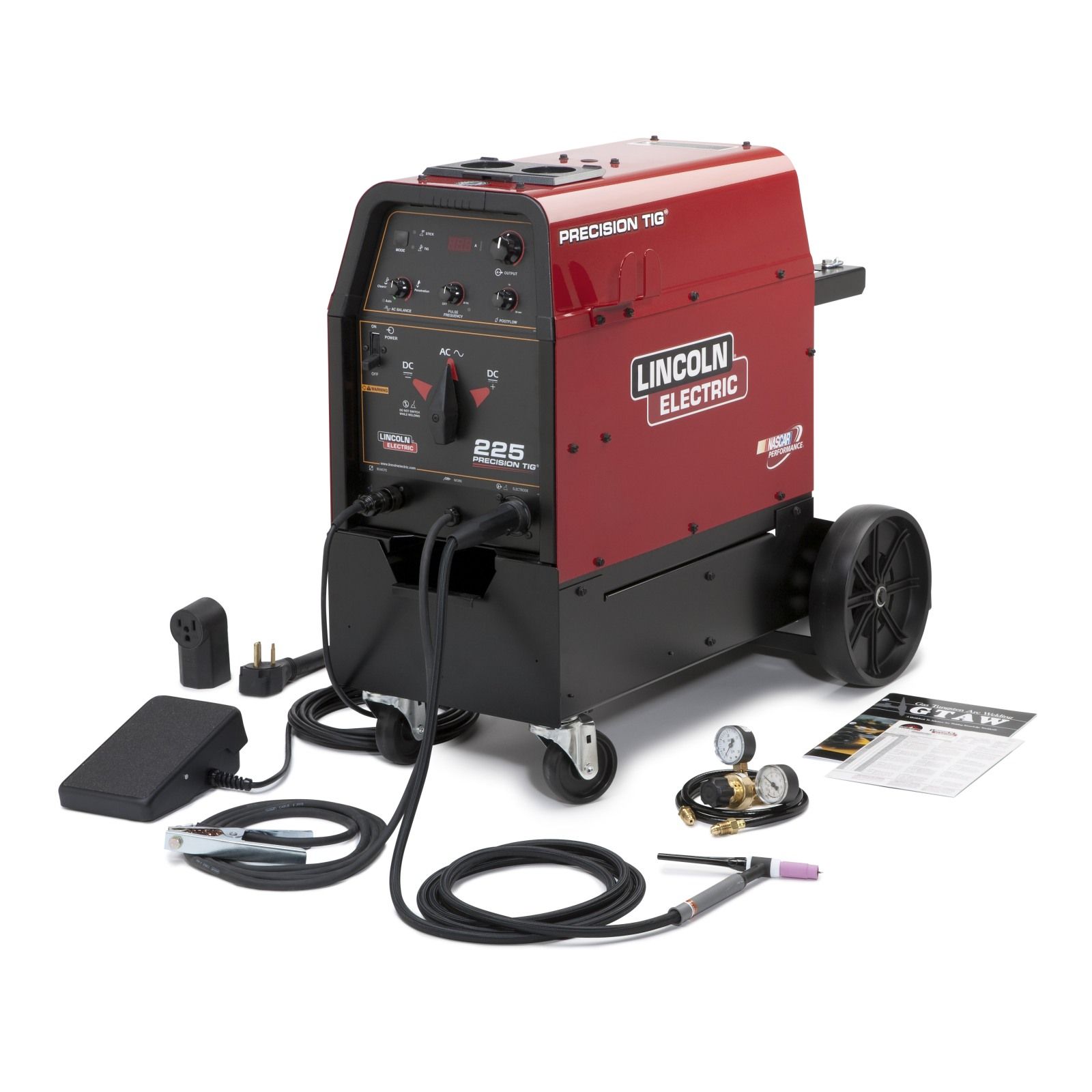 Match the equipment to the work
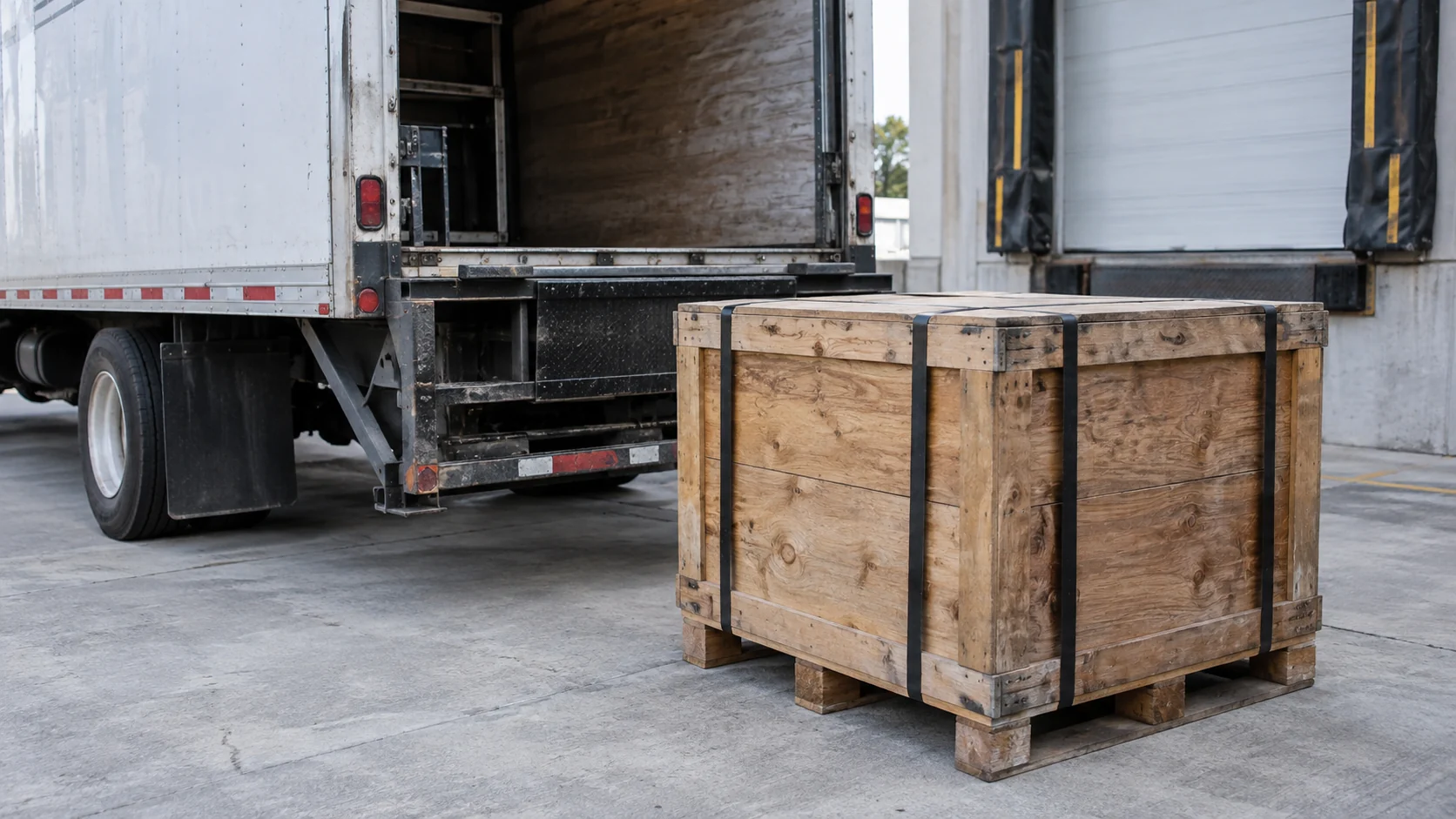 Plan the arrival
Always confirm the exact model, part number, condition and included components on the product listing. For a compatibility question, contact TorqueHarbor before ordering.